

Buy Field of Glory II Wolves at the Gate PC key
Offers




















Screenshots
1 / 19
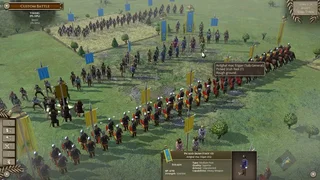
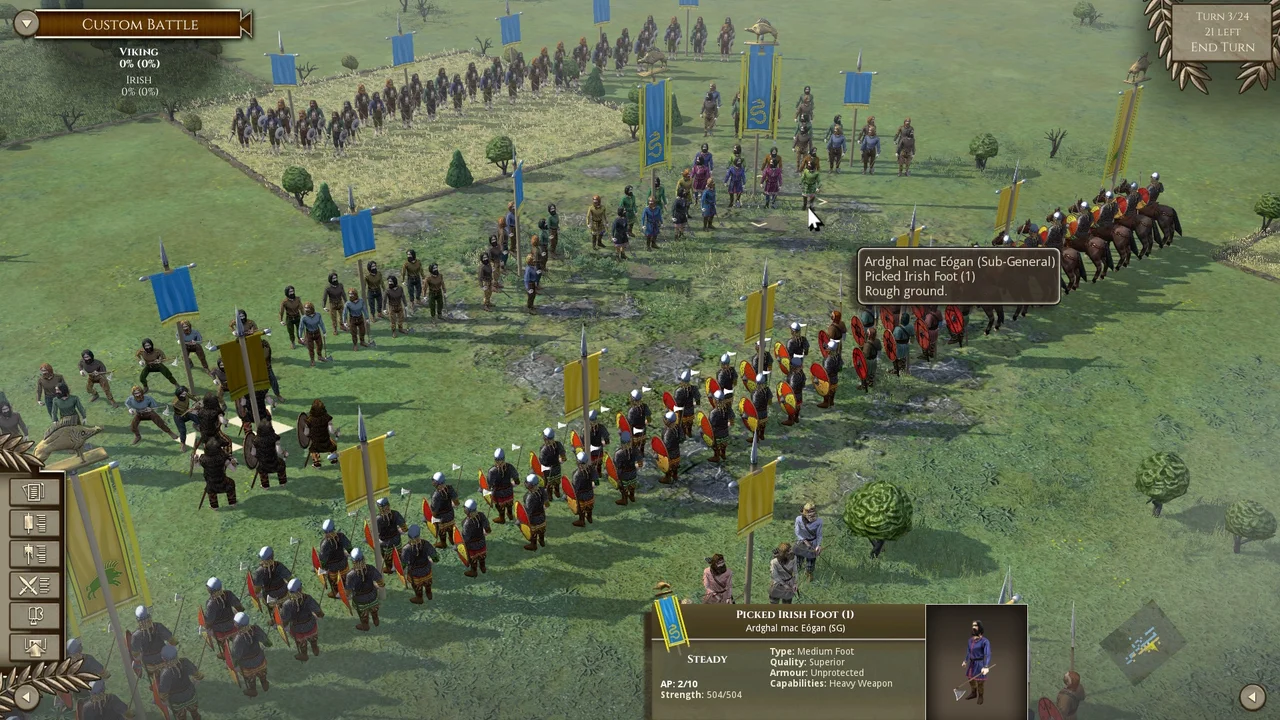
About Field of Glory II Wolves at the Gate
Field of Glory II: Wolves at the Gate is an expansion that extends the game’s historical coverage to 1040 AD. It spans the period from the Arab Conquest and Viking raids to the emergence of England, France, Germany and Spain, alongside the Byzantine Empire’s struggle to preserve Roman civilisation in the east.
The period
The expansion covers the Byzantine and Sassanid Persian struggle for survival from 600 to 628 AD, followed by the Arab expansion from Arabia. By 750, the Umayyad Caliphate stretched from Spain to India’s borders. After the Byzantines lost their Levantine and North African provinces, Constantinople endured a year-long siege in 717–718. The Umayyads later fell to the Abbasids, whose empire divided into competing states, while the Byzantine Empire grew stronger under the Macedonian Dynasty (867–1056).
Viking raids began in Northern Europe in the late 8th century. Vikings used longboats to attack towns, farms and monasteries around the Baltic and North Seas, raiding as far as Seville and Constantinople. They later settled and established states in Normandy and the Kievan Rus, while their invasions of the British Isles led to centuries of intermittent warfare with the English, Irish and Scottish kingdoms.
Charlemagne ruled the Franks from 768 to 814 AD. His empire included modern France, Belgium, the Netherlands, Germany, northern Italy and part of northern Spain; Pope Leo III crowned him “Emperor of the Romans” in 800. After his death, the Carolingian Empire split into West Francia and East Francia. The Magyars began raiding Europe in the 9th century, reaching as far west as Spain. Their defeat at Lechfeld in 955 ended their threat to Western Europe, and in 1000 their High Prince accepted Christianity and became King of Hungary under the name István (Stephen) I.
Battles and campaigns
The expansion adds 6 Epic Battles, each playable from either side:
- Yarmouk 636 AD: Byzantines vs Arabs.
- Ashdown 871 AD: Anglo-Saxons vs Vikings.
- Lechfeld 955 AD: East Franks vs Magyars.
- Apamea 998 AD: Byzantines vs Fatimid Egyptians.
- Chach 1001 AD: Indians vs Ghaznavids.
- Clontarf 1018 AD: Irish and Vikings vs Vikings and Irish.
It also adds 74 Quick Battles, each playable from either side, and 6 historically based campaigns: Arab Conquest, Basil II (Byzantine Resurgence), Charlemagne, Mahmud of Ghazni, Wolves from the Sea 1 (the Viking Age from the Viking point of view) and Wolves from the Sea 2 (the Viking Age from the enemy point of view).
Armies and units
The expansion adds 19 factions: Andalusians, Bulgars, Croatians, Dailami, Fatimids, French, Ghaznavids, Khazars, Khorasanians, Magyars, Moravians, Navarrese, Normans, Pechenegs, Polish, Rus, Scots, Serbians and Vikings. It also adds 55 units, including Huscarls, Berserkers, Irish Kerns, Byzantine Kataphraktoi, Varangian Guard (Early), Pecheneg/Cuman horse archers, Muslim War Elephants, Naffatun, Dailami Foot and Indian Lancers.
There are 76 new army lists, bringing the total to 281. They cover factions and armies including Alan, Andalusian, Anglo-Danish, Anglo-Saxon, Arab, Armenian, Avar, British, Bulgar, Byzantine, Croatian, Dailami, Fatimid Egyptian, Frankish, French, Georgian, German, Ghaznavid, Indian, Irish, Khazar, Khorasanian, Lombard, Magyar, Moravian, Navarrese, Norman, Pecheneg, Polish, Rus, Sassanid Persian, Saxon, Scots, Serbian, Spanish, Turkish, Viking, Visigothic and Welsh forces, with lists covering different periods from 600 AD onward.
Custom battles and allies
The expanded Custom Battles and Sandbox Campaigns modules include all 281 army lists from Immortal Fire, Rise of Rome, Legions Triumphant, Age of Belisarius, Rise of Persia and Wolves at the Gate. Access to lists from other expansions requires the relevant DLCs.
A new Allies feature, added in the accompanying game update, lets you include historical allies in either or both armies in single-player and multiplayer Custom Battles across the game’s 680 BC–1040 AD period. The game creates a composite army list using units from the main and allied lists, effectively raising the number of army lists to more than 700. Including “what if” battles, this allows 500,000 potential matchups before unit selection. Access to all lists requires the relevant DLCs.
Frequently asked questions
The best price for Field of Glory II Wolves at the Gate is $2.74 at Difmark. That is 81% less than on Steam, where it costs $14.99. 16 shops have an offer that activates in your country.
Some are. This page only shows offers that activate in your country; offers for other regions, or with no stated region, are left out. To see the offers for another country, change your country at the top of the page.
Every key we list activates on Steam. Redeem the key there and Field of Glory II Wolves at the Gate stays in your library for good.
Yes, with a small risk. Publishers create keys to sell in other shops, which is why a key can cost less than in the official store, and once you activate it the DLC is yours to keep, just like a store purchase. On average 1–2% of keys fail, so check the shop's buyer protection before you buy: the official store does not refund keys bought elsewhere.
No. Field of Glory II Wolves at the Gate is DLC and only works with Field of Glory II.
The minimum requirements for Field of Glory II are: Windows 7, Intel Core i5, 8 GB RAM, 6 GB storage. It runs on Windows only. The recommended specs are in the System requirements section.
Yes. Field of Glory II has multiplayer and a single-player mode.
Buy Field of Glory II Wolves at the Gate 81% cheaper than on Steam.
Field of Glory II Wolves at the Gate is available for 81% less in shops such as Difmark, Wyrel, or Loaded.
Steam lets publishers create keys to sell in other shops. Once you activate a key, the game is yours to keep, just like a store purchase.
Disclaimer: CD keys have an inherent 1–2% average failure rate. Check the shop terms for buyer protection info. Steam offers no buyer protection for keys bought in other shops and doesn't refund them.
Similar games
Ultimate General: Civil War
−23%$22.85
$29.996 offers

Field of Glory: Empires
−85%$5.63
$39.9923 offers
Total War: Rome II - Emperor Edition
−79%$6.07
$29.9914 offers
Strategos
−9%$22.51
$24.996 offers
Rome: Total War
$4.45
12 offers

Field of Glory: Kingdoms
−65%$13.65
$39.9926 offers
Gears Tactics
−60%$11.73
$29.9911 offers
Sid Meier's Civilization VI
−91%$5.33
$59.9925 offers
Gary Grigsby's War in the East
−84%$12.58
$79.9918 offers
Battle Academy
−97%$0.41
$14.999 offers
Company of Heroes 3
−75%$14.99
$59.9919 offers
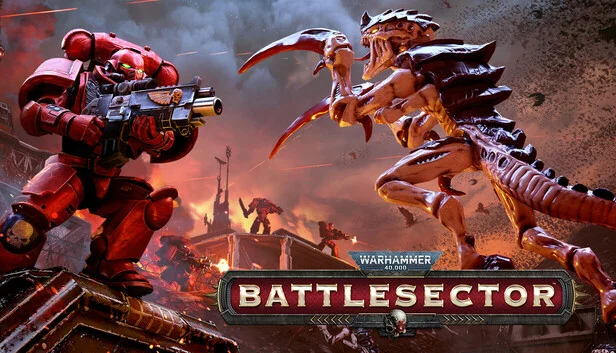
Warhammer 40,000: Battlesector
−90%$3.81
$39.9925 offers