

Buy Field of Glory II: Medieval Rise of the Swiss PC key
Offers


















Screenshots
1 / 12
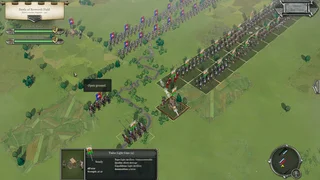

Field of Glory series
About Field of Glory II: Medieval Rise of the Swiss
Field of Glory II: Medieval Rise of the Swiss is an add-on that expands the game’s coverage of European armies and conflicts through 1500 AD. It follows the spread of Swiss-style pike tactics, the Hussite use of war wagons and other military developments across the period.
Armies and tactics
From the late 1300s, some Swiss soldiers began carrying long pikes, while most still used halberds. After the Swiss defeat at Arbedo in 1422, where pikemen performed better than halberdiers against dismounted men-at-arms, Swiss armies steadily increased the proportion of pikemen. By the end of the fifteenth century, the pike was their dominant weapon; a small number of experienced halberdiers remained to defend the banners and break up enemy formations when a pike advance stalled. Swiss pike formations won victories in the Burgundian Wars and against the Holy Roman Empire in the Swabian War, and Swiss mercenaries served in the Italian armies of Charles VIII of France. Other western European armies adopted pike formations, including the German landsknechts.
In Bohemia, followers of Jan Hus fought Catholic royalists. The Hussites, drawn mainly from common people and lacking nobles who could provide heavily armoured men-at-arms, adapted agricultural wagons into the Wagenburg, a mobile fortress from which soldiers could fight. Though mainly defensive, it broke through a royalist army at Kutna Hora in 1421. In Spain, Castile and Aragon adopted the pike as the Reconquista ended with Granada’s conquest in 1492; Castile also revived sword-and-buckler troops in imitation of Roman legionaries. England’s Wars of the Roses remained dominated by the longbow and dismounted men-at-arms, with some campaigns recruiting mercenary pikemen. In Scandinavia, Sweden fought to break free from Denmark-dominated Kalmar Union.
Factions and army lists
The add-on adds coverage for 22 nations and factions, with historically based banners, from the introduction of Swiss-style pike tactics or Hussite war wagons by them or their opponents through 1500 AD. Some European nations already have coverage through 1500 AD in previous add-ons. The factions are Aragonese, Berber (Wattasid), Bohemian (Catholic), Burgundian, Castilian, Danish, English (Lancastrian, Yorkist and Tudor), Florentine, French, German (Imperial, Feudal and City armies), Granadine, Hungarian, Hussite (Taborite and Utraquist), Low Countries, Milanese, Neapolitan, Papal, Polish, Rus, Scots, Swiss and Venetian.
There are 22 new units and 60 additional army lists, bringing the Medieval total to 303. The lists represent historically realistic armies for the factions and their allies at different dates; armies can also include contingents from historical allies. The lists cover Aragonese 1450–1479; Berber (Wattasid) 1466–1500; Bohemian (Catholic) 1419–1449 and 1450–1500; Breton 1456–1465 and 1466–1491; Burgundian 1450–1464, 1465–1470 and 1471–1477; Castilian 1476–1497; Danish 1488–1500; English (Britain) 1450–1454, (Lancastrian) 1455–1484, (Yorkist) 1455–1482, (Continental) 1475, (Yorkist) 1483–1485 and 1486–1497, and (Tudor) 1485–1500; Florentine 1400–1414, 1415–1439, 1424 and 1440–1500; French 1466–1479, 1480–1483 and 1484–1500; German (Imperial) 1425–1449, 1450–1487 and 1488–1500, (Feudal) 1450–1489 and 1490–1500, (City N & W) 1450–1487 and 1488–1500, and (City S & E) 1425–1449, 1450–1487 and 1488–1500; Hungarian 1441–1500; Hussite (Taborite) 1419–1434 and (Utraquist) 1419–1479; Low Countries 1450–1477, 1478–1487 and 1488–1500; Milanese, Neapolitan and Papal 1400–1439 and 1440–1500; Polish 1455–1500; Rus 1470–1500; Scots 1438–1500; Swiss 1360–1399, 1400–1422, 1423–1424, 1425–1475, 1476–1477, 1478–1490 and 1491–1500; and Venetian 1400–1414, 1415–1439 and 1440–1500.
Scenarios and battles
Eight historical scenarios recreate major engagements on an epic scale: Kutna Hora 1421, Towton 1461, Brunkeberg 1471, Grandson 1476, Loja 1482, Bosworth 1485, Fornovo 1495 and Dornach 1499. Quick Battle gains 41 historical matchups, bringing its total to 239; most can be played from either side.
Campaigns and sandbox
Four historical campaigns cover the Rise of the Swiss, Hussite Wars, Charles the Bold and Louis XI. The Sandbox campaign adds all the new army lists, letting you lead any nation and its historical allies against any other nation and its allies, with over 80,000 possible combinations. Time Warp modules also expand to include the new army lists.
Frequently asked questions
The best price for Field of Glory II: Medieval Rise of the Swiss is $2.80 at Difmark. That is 81% less than on Steam, where it costs $14.99. 14 shops have an offer that activates in your country.
Some are. This page only shows offers that activate in your country; offers for other regions, or with no stated region, are left out. To see the offers for another country, change your country at the top of the page.
Every key we list activates on Steam. Redeem the key there and Field of Glory II: Medieval Rise of the Swiss stays in your library for good.
Yes, with a small risk. Publishers create keys to sell in other shops, which is why a key can cost less than in the official store, and once you activate it the DLC is yours to keep, just like a store purchase. On average 1–2% of keys fail, so check the shop's buyer protection before you buy: the official store does not refund keys bought elsewhere.
No. Field of Glory II: Medieval Rise of the Swiss is DLC and only works with Field of Glory II: Medieval.
The minimum requirements for Field of Glory II: Medieval are: Windows 8, Intel Core i5, 6 GB RAM, 5 GB storage. It runs on Windows only. The recommended specs are in the System requirements section.
Yes. Field of Glory II: Medieval has multiplayer and a single-player mode. It supports online PvP.
Buy Field of Glory II: Medieval Rise of the Swiss 81% cheaper than on Steam.
Field of Glory II: Medieval Rise of the Swiss is available for 81% less in shops such as Difmark, GameBoost, or YUPLAY.
Steam lets publishers create keys to sell in other shops. Once you activate a key, the game is yours to keep, just like a store purchase.
Disclaimer: CD keys have an inherent 1–2% average failure rate. Check the shop terms for buyer protection info. Steam offers no buyer protection for keys bought in other shops and doesn't refund them.
Similar games
Field of Glory: Kingdoms
−65%$13.64
$39.9926 offers
Master of Command
−21%$23.61
$29.9910 offers
Countryball: Europe 1890
$3.99
1 offer
Ultimate General: Civil War
−23%$22.84
$29.996 offers
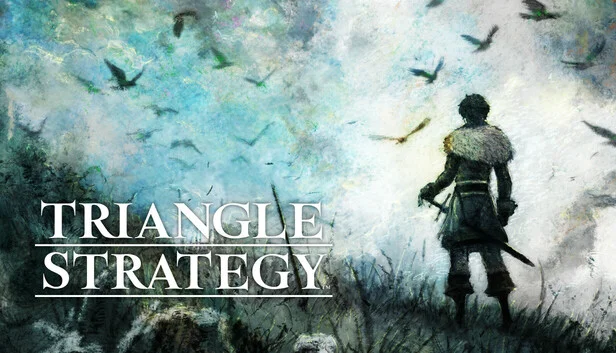
Triangle Strategy
−63%$21.83
$59.9918 offers
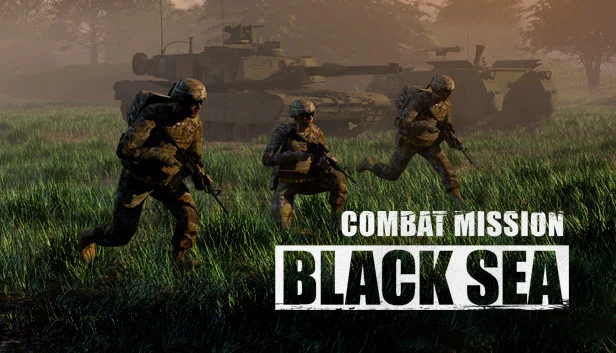
Combat Mission: Black Sea
−83%$9.97
$59.9925 offers
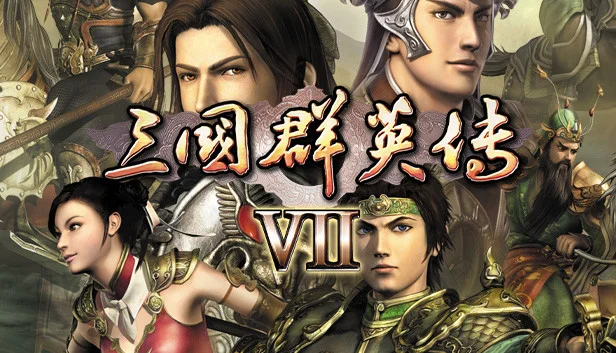
Heroes of the Three Kingdoms 7
−57%$2.96
$6.996 offers
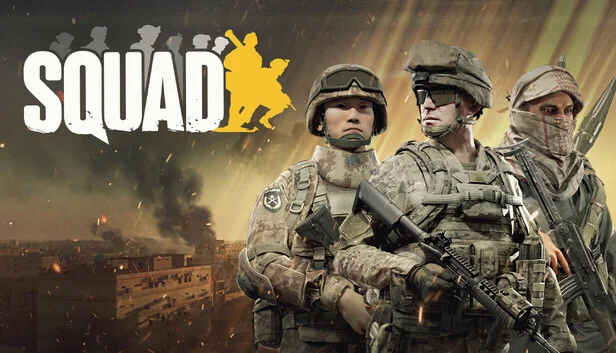
Squad
−66%$13.49
$39.9929 offers
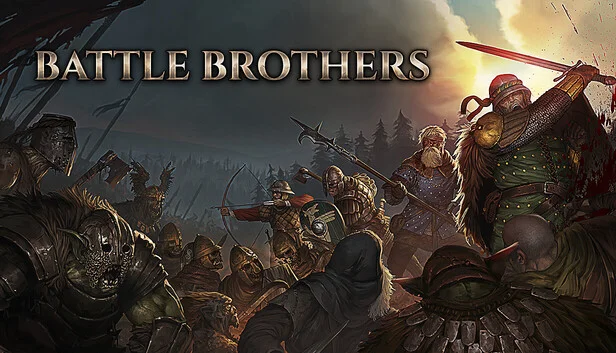
Battle Brothers
−78%$6.41
$29.9918 offers
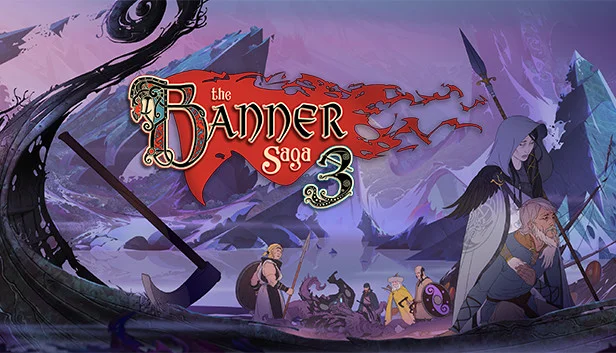
The Banner Saga 3
−43%$14.10
$24.9912 offers
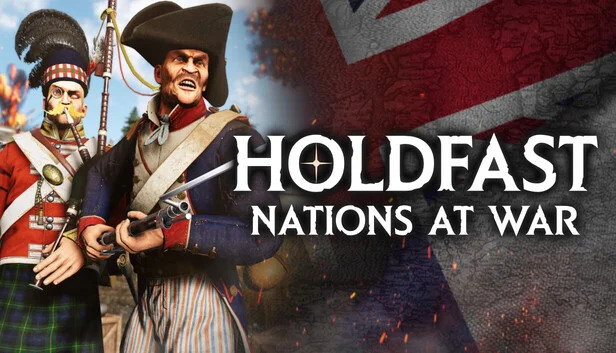
Holdfast: Nations At War
−63%$7.37
$19.9926 offers
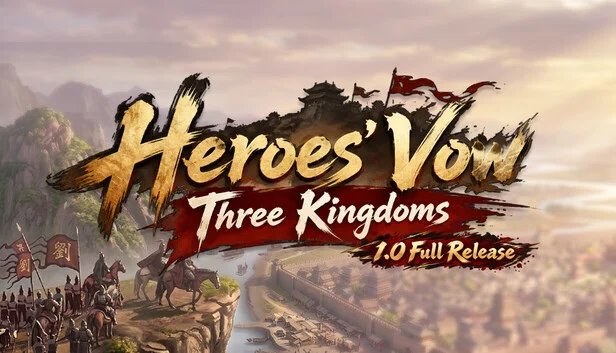
Heroes' Vow: Three Kingdoms
$19.99
1 offer