

SGS Korean War
Offers









Trailers & screenshots
1 / 12
About SGS Korean War
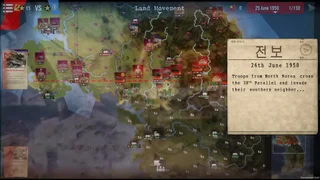
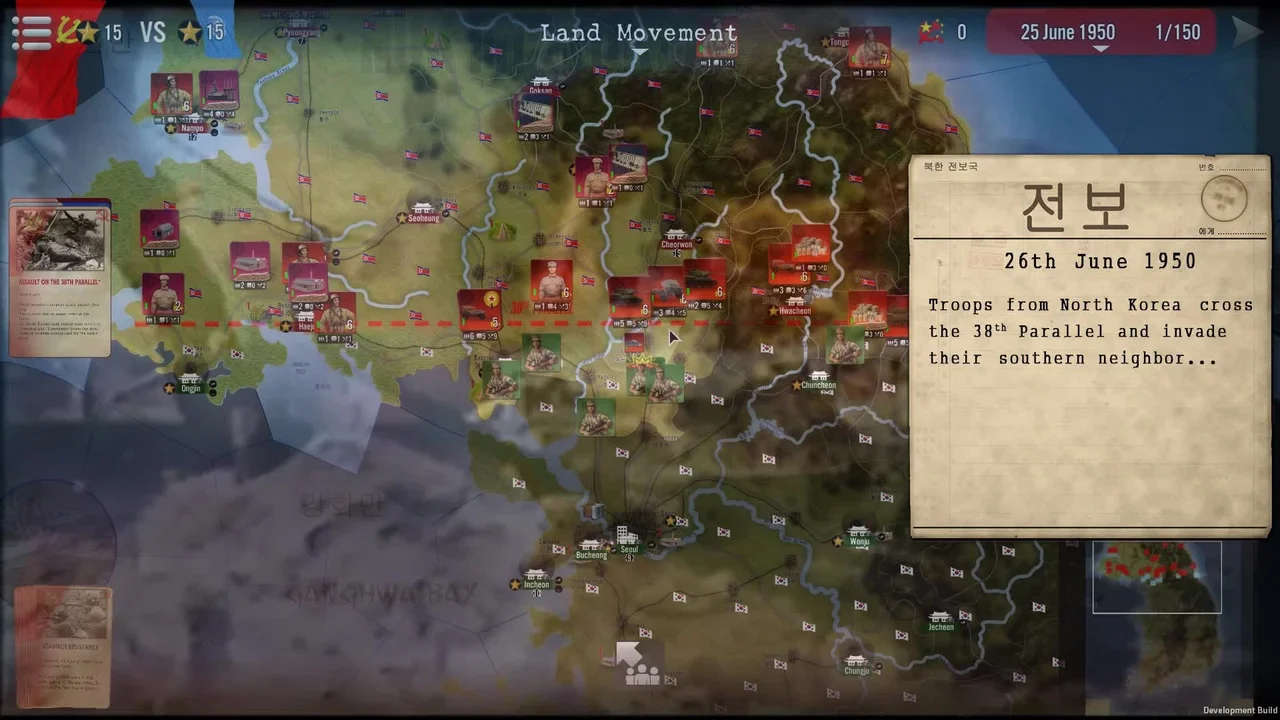
SGS Korean War is a turn-based recreation of the Korean War, from North Korea’s invasion in June 1950 through the armistice in 1953. One player commands North Korean and Chinese Communist forces, backed by the Soviet Union; the other leads the United Nations forces, comprising South Korean, UNO, Commonwealth and American troops. The game covers the war’s fast-moving opening year, the Chinese counter-offensive and the later fighting along fortified positions.
Scenarios and campaigns
You can play the full 150-turn war or choose shorter scenarios and campaigns that begin at different points. Each turn represents one week, from 26 June 1950 to 15 May 1953.
- Chosin Scenario: 3 turns covering the battles around Chosin Reservoir in winter 1950.
- Incheon Scenario: 4 turns covering the Inchon landing and the subsequent liberation of Seoul in fall 1950.
- Pusan Perimeter scenario: 4 turns covering North Korea’s final attempt to conquer all of Korea in summer 1950.
- Spring Offensive scenario: 4 turns covering the Chinese offensive against Seoul in 1951.
- Invasion of South Korea Campaign: 12 turns over 3 months, covering the initial North Korean invasion in early summer 1950.
- Naktong Campaign: 9 turns over 2 months, covering the battle for the Pusan Perimeter in summer 1950.
- Across the 38th Parallel Campaign: 16 turns over 4 months, covering the United Nations counter-offensive from fall 1950.
- China Enters Campaign: 25 turns over 6 months, covering the Chinese intervention from late 1950.
- The 1951 Campaign: 100 turns over 24 months, covering the war from spring 1951.
- The 1952 Campaign: 50 turns over 12 months, covering the war from spring 1952.
- The Korean War Grand Campaign: 150 turns covering the whole war, from June 1950 to its end.
Command and strategy
You direct troop movements and maneuvers, organize air, headquarters and artillery support, and plan breakthroughs and follow-up offensives. You also build logistical networks and fortified lines, conduct strategic bombing of Communist industry and transportation, and manage popular resistance, troop training, force replenishment, unit rotations and partisan warfare.
Political and diplomatic decisions are part of the campaign, handled through cards or events. As the United Nations, you must contend with the uncertain timing of Chinese intervention, which affects both military plans and choices such as whether MacArthur retains command or Nationalist China is allowed to help. As the Communist player, you can shape the extent and visibility of Soviet support and Mao’s involvement. The grand campaign also includes optional alternative starting conditions, such as better preparation by the North or South, a ready-to-intervene USAF, or extensive fortifications along the 38th Parallel.
Forces and the map
The Communists begin with numerous land forces and receive substantial Chinese reinforcements, but have limited air strength until the Migs arrive. South Korean forces must withstand the initial invasion while awaiting American reinforcements; United Nations air superiority and economic strength can offset their lower numbers. Neither side is specifically advantaged, and each has its own strengths and weaknesses.
Land forces are represented mainly at regimental level, alongside smaller units such as armor battalions, United Nations contingents and partisans. Air forces consist of squadrons, while naval forces are mostly represented by Task Force groups, with naval activity focused on logistical and support roles. The game also includes fortifications, minefields, headquarters, logistical depots, vehicles and industrial infrastructure.
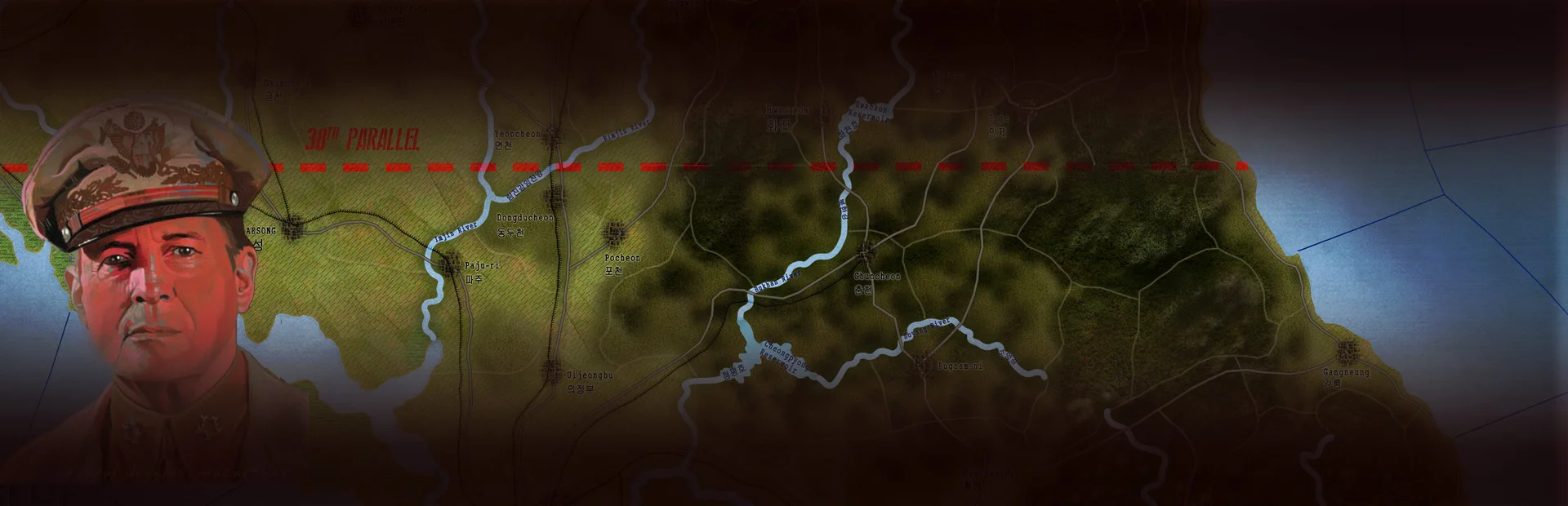
The map covers the Korean peninsula from the Chinese and Soviet borders to the southern Straits of Korea and Japan. It includes the peninsula’s natural terrain and a weather system that changes the map when it rains or snows, affecting military operations. Scenario lengths range from a few hours to over 100 hours for the full war.
Frequently asked questions
The best price for SGS Korean War is $21.05 at YUPLAY. That is 29% less than on Steam, where it costs $29.99. 6 shops have an offer that activates in your country.
Some are. This page only shows offers that activate in your country; offers for other regions, or with no stated region, are left out. To see the offers for another country, change your country at the top of the page.
Every key we list activates on Steam. Redeem the key there and SGS Korean War stays in your library for good.
Yes, with a small risk. Publishers create keys to sell in other shops, which is why a key can cost less than in the official store, and once you activate it the game is yours to keep, just like a store purchase. On average 1–2% of keys fail, so check the shop's buyer protection before you buy: the official store does not refund keys bought elsewhere.
The minimum requirements for SGS Korean War are: Windows 11, 4 GB RAM, 2 GB storage. It also runs on macOS. The recommended specs are in the System requirements section.
Yes. SGS Korean War has multiplayer and a single-player mode. It supports split-screen PvP.
Mostly, yes. Valve rates SGS Korean War as Playable on the Steam Deck: it runs, but may need some manual setup.
Buy SGS Korean War 29% cheaper than on Steam.
SGS Korean War is available for 29% less in shops such as YUPLAY, Eneba, or Kinguin.
Steam lets publishers create keys to sell in other shops. Once you activate a key, the game is yours to keep, just like a store purchase.
Disclaimer: CD keys have an inherent 1–2% average failure rate. Check the shop terms for buyer protection info. Steam offers no buyer protection for keys bought in other shops and doesn't refund them.
Similar games
SGS Taipings
−56%$12.98
$29.995 offers
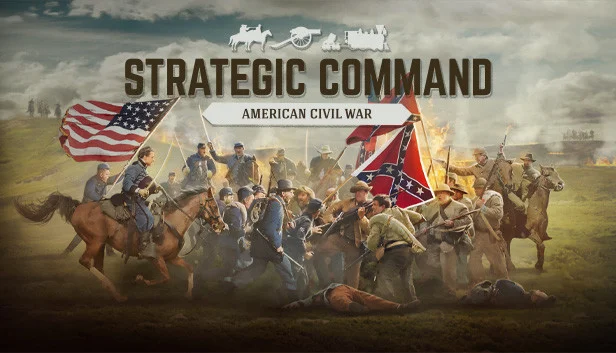
Strategic Command: American Civil War
−74%$10.00
$39.9920 offers
Panzer Corps
$0.74
16 offers
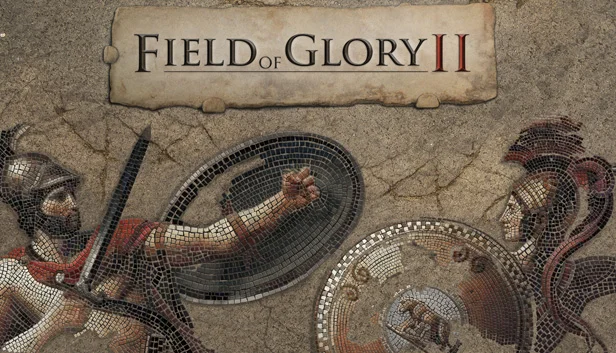
Field of Glory II
−96%$1.18
$29.9922 offers
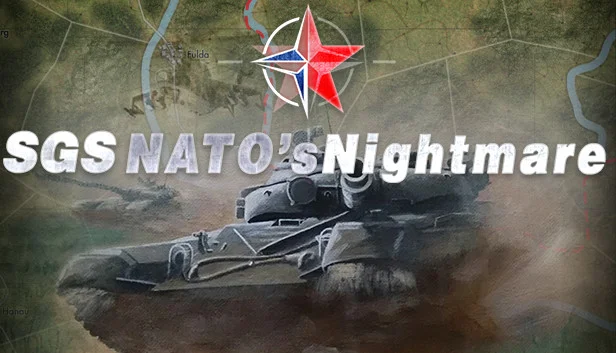
SGS NATO's Nightmare
−61%$13.62
$34.994 offers
Axis & Allies 1942 Online
−95%$0.99
$19.9913 offers
Warno
−66%$13.59
$39.9913 offers
SGS Battle For: Shanghai
−39%$12.08
$19.996 offers
Twilight Struggle
−50%$4.99
$9.9910 offers
Maestro's Cold War 2
$12.99
1 offer
Age of History II
$5.99
1 offer
Rising Storm 2: Vietnam
−92%$1.90
$24.9919 offers