

Photonic Distress
Offers












Trailers & screenshots
1 / 16


About Photonic Distress
Photonic Distress is a first- and third-person puzzle-platformer set inside an internal representation of your conscience. You search procedurally generated levels, called dreams, for 100 memory fragments, then enter the final room that opens once you have collected them all.
Explore the dreams
The dreams grow larger and more complicated as you progress. A pseudo-random number generator uses a seed you choose or generate at the start of a new game to determine each level’s layout, materials and number of fragments, among other details. You can replay the same seed on different difficulties or use different seeds on the same difficulty, with the levels changing each time.
Light and fight
You carry a Photon Gun that fires colorful balls of light to illuminate your way and fight enemies. As you collect fragments, upgrades become available, including a flashlight attachment and a Scan Grenade. Unlocked at 30 fragments, the grenade outlines the surrounding world, highlights points of interest, reveals hidden or unspawned enemies and kills enemies that have spawned.
Four difficulties
Photonic Distress has Easy, Medium, Hard and Impossible difficulties. Levels are illuminated on Easy and Medium; on Hard and Impossible, you navigate in the dark using the Photon Gun, the Scan Grenade and your skill. Each level tile has a difficulty rating from 1 to 10. Tile difficulty rises more slowly on Easy and faster on Impossible, making the levels increasingly tricky; levels also grow in size, especially on harder difficulties.
The game can offer a more relaxed or more challenging run depending on your chosen difficulty. Barricades, traps and pickups also appear throughout the levels.
Music and atmosphere
Most of the in-game music was composed specifically for Photonic Distress by Toteki. You can turn it off in the settings and play your own music instead. The game aims for a mysterious atmosphere and a level of challenge suited to your chosen difficulty.
Frequently asked questions
The best price for Photonic Distress is $5.94 at Kinguin. That is 40% less than on Steam, where it costs $9.99. 8 shops have an offer that activates in your country.
Some are. This page only shows offers that activate in your country; offers for other regions, or with no stated region, are left out. To see the offers for another country, change your country at the top of the page.
Every key we list activates on Steam. Redeem the key there and Photonic Distress stays in your library for good.
Yes, with a small risk. Publishers create keys to sell in other shops, which is why a key can cost less than in the official store, and once you activate it the game is yours to keep, just like a store purchase. On average 1–2% of keys fail, so check the shop's buyer protection before you buy: the official store does not refund keys bought elsewhere.
The minimum requirements for Photonic Distress are: Windows 7, GeForce GTX 1060, 16 GB RAM, 10 GB storage. It runs on Windows only. The recommended specs are in the System requirements section.
No. Photonic Distress is a single-player game.
Yes. Photonic Distress is the full base game. You need nothing else to play it.
Buy Photonic Distress 40% cheaper than on Steam.
Photonic Distress is available for 40% less in shops such as Kinguin, Difmark, or Gameseal.
Steam lets publishers create keys to sell in other shops. Once you activate a key, the game is yours to keep, just like a store purchase.
Disclaimer: CD keys have an inherent 1–2% average failure rate. Check the shop terms for buyer protection info. Steam offers no buyer protection for keys bought in other shops and doesn't refund them.
Similar games
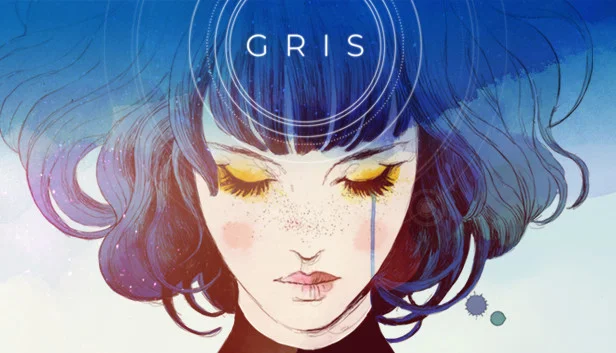
Gris
−84%$2.35
$14.9915 offers
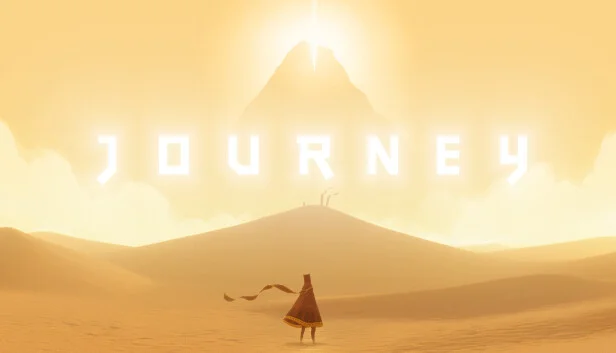
Journey
−78%$3.22
$14.9919 offers
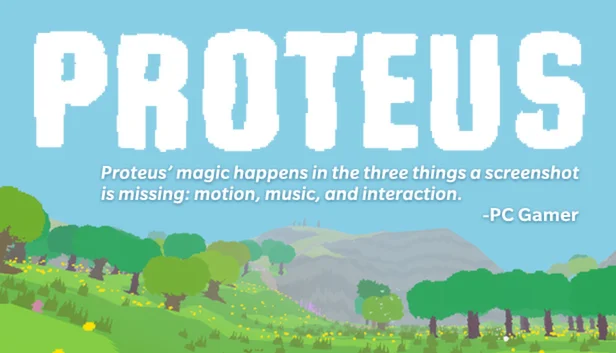
Proteus
−75%$2.49
$9.9911 offers
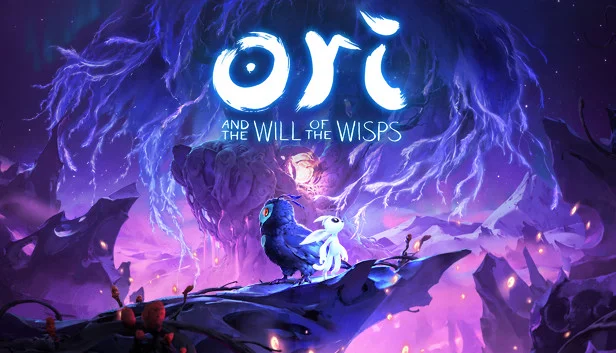
Ori and the Will of the Wisps
−77%$6.61
$29.9911 offers
Gorogoa
−79%$3.12
$14.9918 offers

Glass Masquerade 2: Illusions
−88%$0.57
$4.9910 offers
Mountain
−74%$0.25
$0.999 offers
Spring Falls
$6.99
1 offer

Neva
−56%$8.67
$19.9918 offers
Townscaper
−67%$1.93
$5.9921 offers

G-Force
$11.71
8 offers
My Koi
$4.99
1 offer