

Norland
Offers


















Trailers & screenshots
1 / 12
About Norland
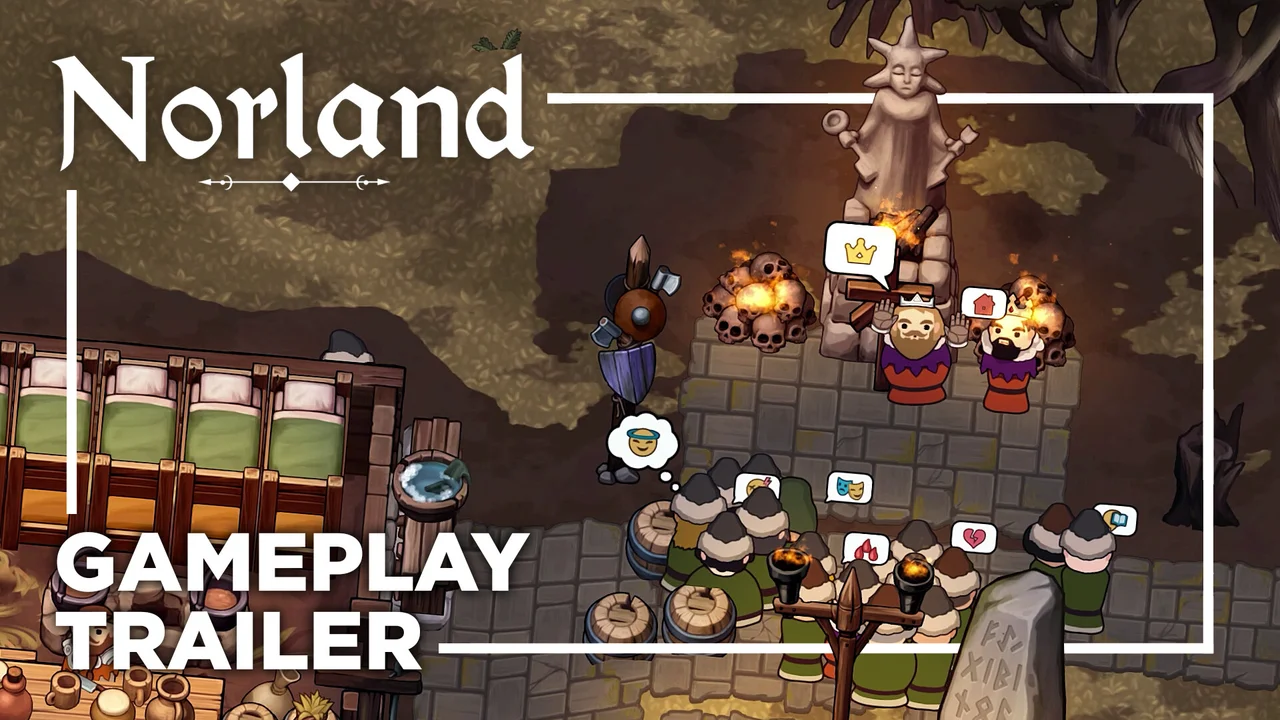
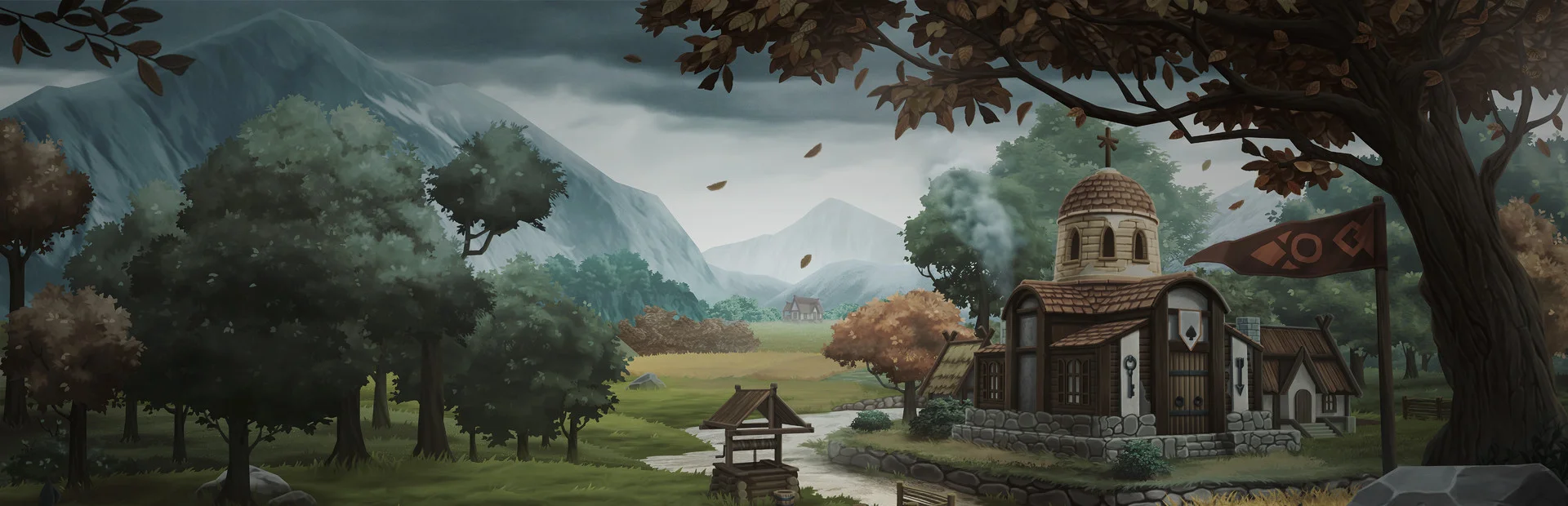
Norland is a medieval colony simulation about leading a small kingdom after the collapse of an empire. Successor kingdoms compete for power as noble families feud, famine and war unsettle society, and invading armies gather beyond the old imperial borders. You guide your noble family as it tries to survive and raise its kingdom to greatness, shaping a story of ambition, betrayal and conflict.
Rule your family
Your family members run the city and kingdom together or compete against one another. Each has skills, traits, ambitions, needs and cultural backgrounds that shape their abilities, relationships and how others treat them. They can give orders to peasants, lead armies, negotiate with foreign rulers and study ancient texts; their relationships may grow into friendships and drunken escapades, or turn to assassinations and family feuds.
Train family members in the skills needed for different work, including fighting, managing tasks, writing and negotiation. Educate children to prepare the next generation and develop their talents. Dissatisfaction can lead to resentment, envy and disloyalty, while gifts and camaraderie can ease tensions. Family members may also turn on one another over ambition, greed, scorned relationships or influence from foreign rulers.
Knowledge and learning
Your kingdom’s capabilities depend on what its nobles know. They study ancient texts individually to learn technologies, unlocking buildings, tools and other opportunities. If a noble dies, their knowledge can be lost unless it has been recorded or passed to students. Books come in different languages, so nobles may need to translate them into a language they understand.
You can teach more family members to preserve that knowledge, keep books in your libraries or transcribe them to trade for wealth and resources.
Manage the city
Peasants build structures, harvest resources and produce goods through the city’s production chains. You give them orders through your nobles, setting their work, priorities and when they fight, but peasants have their own hopes, needs and relationships. Their loyalty can falter when food runs short or the beer runs dry, and unrest may lead to crime, controversy or rebellion.
Peasants use their accumulated wealth to meet their needs. You set their daily wages and the prices of food and beer at the local market; higher wages and lower prices can encourage migration, though newcomers may bring challenges. Peasants from different cultures may be at odds, and conflict with your family’s heritage can make additional guards important.
Some peasants follow the Church of Saint Sophia and care most about a noble’s piety. Loyalists chiefly need enough money for food and beer, while other factions and sub-factions have their own priorities. These groups may form shifting alliances, but even those formally on your side pursue separate agendas. You can address complaints, set up nightly patrols or execute unruly people, but an angry mob can threaten even a powerful lord.
A divided realm
The empire’s collapse has left successor kingdoms competing for control, with different resources and starting regions offering different advantages and challenges. The world includes people from varied cultural backgrounds with fraught relations, while the Unholy Horde pillages and burns across the land and the Church of Saint Sophia uses faith to maintain its hold on vast resources.
Your nobles can pursue marriage alliances, trade deals, assassinations, kidnappings and rebellions. You can recruit spies and conspirators to undermine foreign kingdoms or settle disputes through open battle. Other rulers may infiltrate your ranks or bring armies to your borders. Events and calamities, including kidnapped relatives, plague-infested refugees, blackmail and natural disasters, complicate your family’s fortunes over the years.
The world continues to change beyond your borders. Traveling nobles may seek refuge or sow dissent; other kingdoms pursue opportunities, form alliances and wage wars of their own. Bandits establish camps on the outskirts of civilization, and you can join other kingdoms’ wars or remain apart from them.
Armies and conflict
When disputes turn to violence, you can raise a citizen militia, persuade prisoners to fight for their freedom and put nobles in command. Rebellions may bring peasants into the fight against you, and some plots involve well-armed groups or a power-hungry relative. Maintaining public order and watching for enemies within your ranks can help protect your rule.
Your warriors are also the people who work the fields, brew ale and take part in the city’s life, so every battle risks valuable lives. Armies depend on equipment that must be imported or made locally, and your economy limits what forces you can field. You can defend your home from invaders or lead your troops across the world map into battle, where morale, combat skills and tactics help determine the victor.
Shape your story
Scenarios and options let you define your nobles and the world around them. You can build a society of warmongers with penal legions fighting for freedom, educated religious zealots spreading their faith, wealthy multicultural idealists gathering books, or spymasters pursuing assassination and intrigue.
Frequently asked questions
The best price for Norland is $10.62 at Driffle. That is 64% less than on Steam, where it costs $29.99. 14 shops have an offer that activates in your country.
Some are. This page only shows offers that activate in your country; offers for other regions, or with no stated region, are left out. To see the offers for another country, change your country at the top of the page.
Every key we list activates on Steam. Redeem the key there and Norland stays in your library for good.
Yes, with a small risk. Publishers create keys to sell in other shops, which is why a key can cost less than in the official store, and once you activate it the game is yours to keep, just like a store purchase. On average 1–2% of keys fail, so check the shop's buyer protection before you buy: the official store does not refund keys bought elsewhere.
The minimum requirements for Norland are: Windows 10, GeForce GTX 1050 Ti, Intel Core i5-4570T, 8 GB RAM, 2 GB storage. It runs on Windows only. The recommended specs are in the System requirements section.
No. Norland is a single-player game.
Mostly, yes. Valve rates Norland as Playable on the Steam Deck: it runs, but may need some manual setup.
Buy Norland 64% cheaper than on Steam.
Norland is available for 64% less in shops such as Driffle, Eneba, or Kinguin.
Steam lets publishers create keys to sell in other shops. Once you activate a key, the game is yours to keep, just like a store purchase.
Disclaimer: CD keys have an inherent 1–2% average failure rate. Check the shop terms for buyer protection info. Steam offers no buyer protection for keys bought in other shops and doesn't refund them.
Similar games
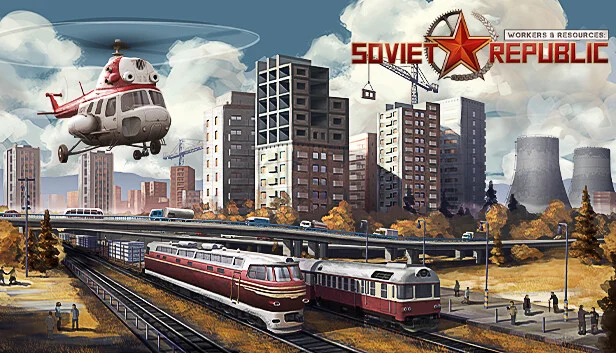
Workers & Resources: Soviet Republic
−76%$9.45
$39.9916 offers
Songs of Syx
$24.99
2 offers
Empires of the Undergrowth
−75%$4.88
$19.9815 offers
Manor Lords
−51%$19.26
$39.9919 offers
Against the Storm
−89%$3.15
$29.9916 offers
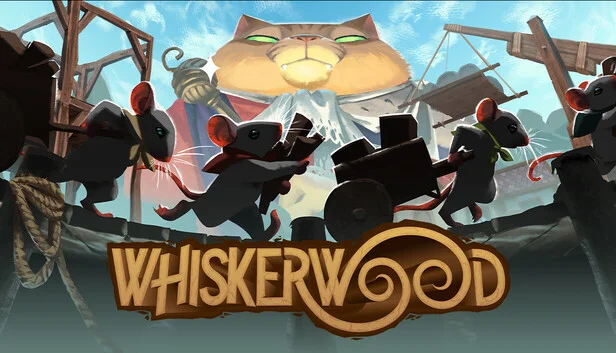
Whiskerwood
−63%$10.81
$29.9917 offers
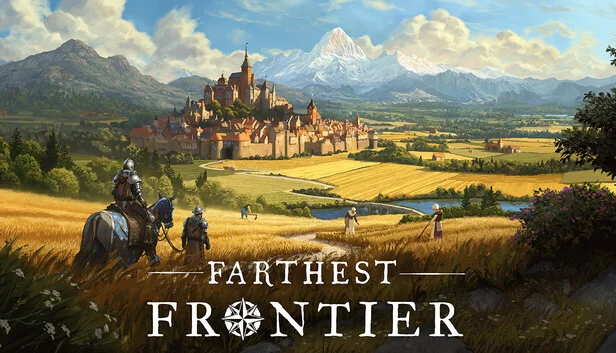
Farthest Frontier
−38%$21.37
$34.9913 offers
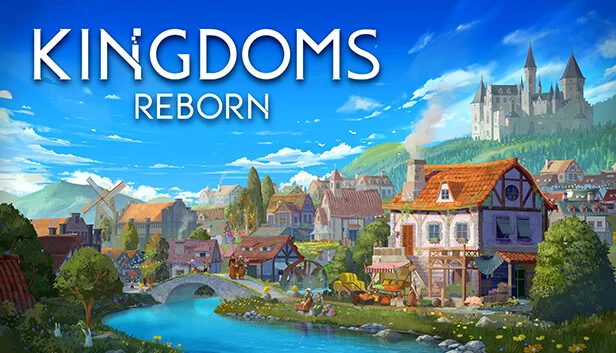
Kingdoms Reborn
$19.99
1 offer
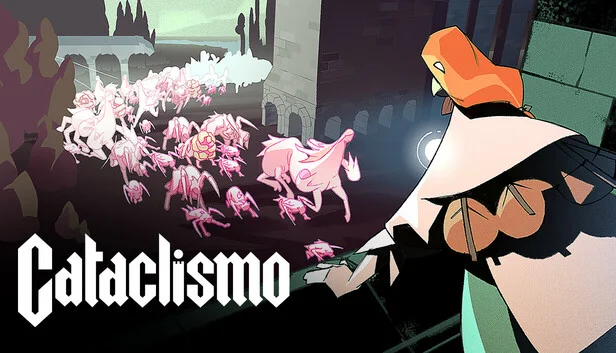
Cataclismo
−97%$0.74
$29.9918 offers
Nova Roma
−52%$14.17
$29.9917 offers
Kingdoms and Castles
−50%$9.99
$19.992 offers
Corsair Cove
−46%$21.22
$39.9917 offers