

Total War: Three Kingdoms Eight Princes
Offers














Trailers & screenshots
1 / 6

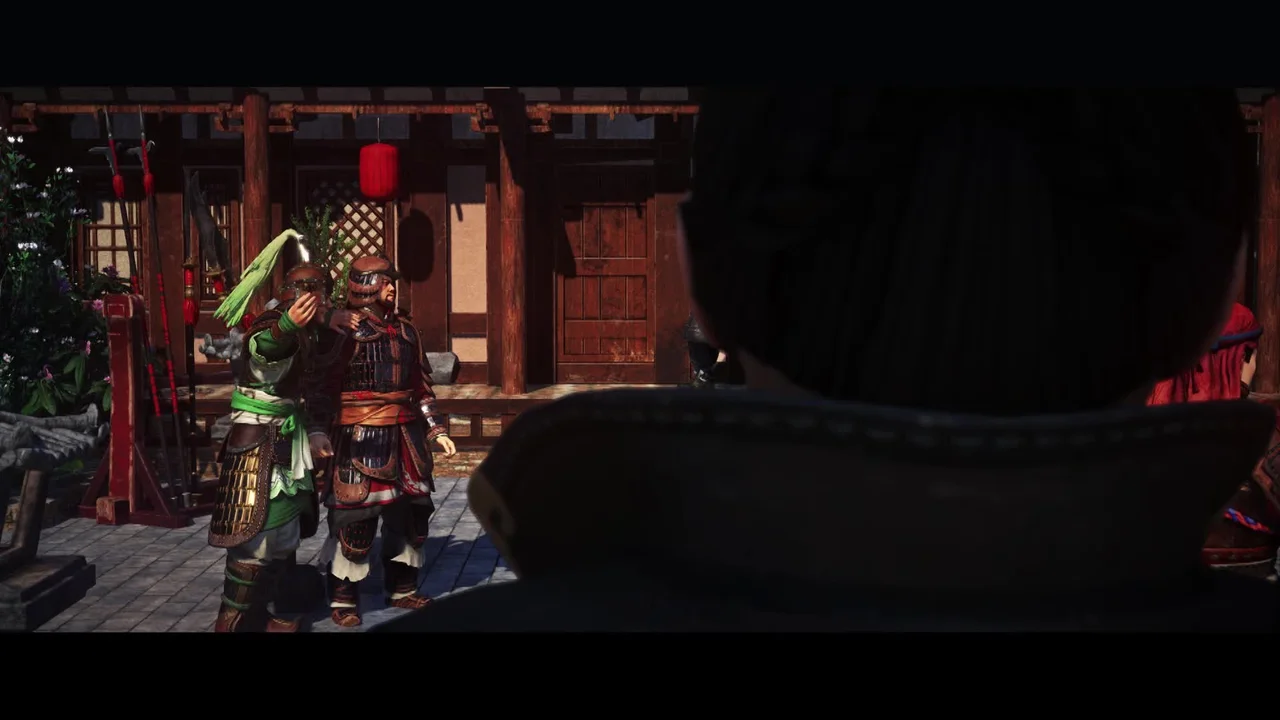
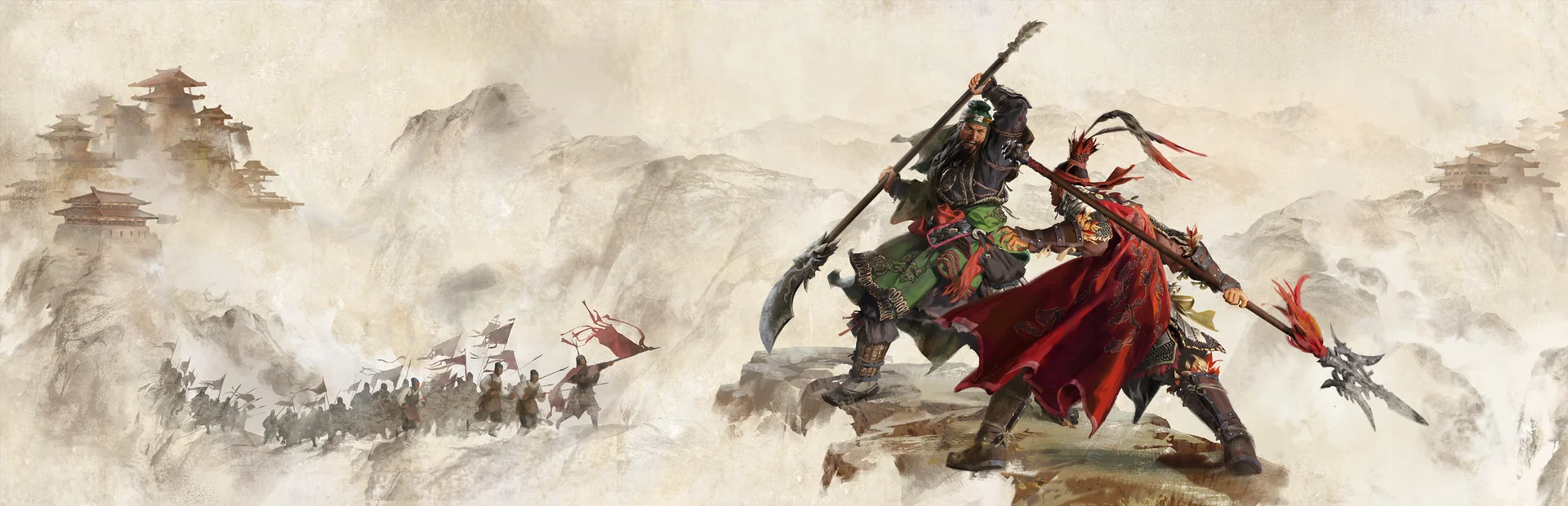
About Total War: Three Kingdoms Eight Princes
Total War: Three Kingdoms Eight Princes is a chapter pack with a new campaign set in 291 CE, 100 years after the events of Total War: Three Kingdoms. The Jin dynasty has briefly unified the kingdoms, but its ruling princes are divided and civil war threatens. You lead one of eight playable princes, each with distinct campaign mechanics, and decide whether to pursue the emperorship or preserve the emperor and rule as regent.
The eight princes
Each prince follows one of the base game’s five character classes and has a playstyle built around different campaign systems, buildings, assignments and court options.
- Sima Yong, the shrewd defender: A Vanguard focused on defence and infrastructure. Garrisoned armies increase reserves and faction support and reduce settlement construction costs. His Military Security buildings improve noble support, income and prestige, and provide additional garrisons; his Military Supervision assignment increases income at the cost of noble support. He is more likely to trigger Man Of The Hour events after battles. His unique units are Xianbei Horse Archers, mobile harassers with a high rate of fire, and Xianbei Riders, shock cavalry with strong charge bonuses.
- Sima Jiong, the imperious regent: A Commander focused on centralised government. His Control resource increases noble support and reduces corruption; it comes from the faction leader and military successes, and falls after military losses and when ministers are appointed. A unique court action lets him remove powerful characters from ministerial positions. His administration buildings generate Control and reduce corruption, while the Micromanage Commandery assignment increases income at the cost of Control. His unique units are armoured Qi Guardsmen, effective against cavalry, and Qi Crossbowmen, effective against armoured units.
- Sima Yue, the imperial overseer: A Sentinel focused on politics and internal government. Influence reduces construction costs and times and increases research speed; special commandery assignments generate it, while military defeats reduce it and it decays over time. His Labour economic buildings increase population growth and reduce construction costs. His court’s military emissary reduces recruitment costs and enables the Military Interference assignment, while the Provincial Advisor reduces corruption and enables Provincial Inspection. His unique units are Xu Raiders, shock infantry with strong charges, and Warriors of Xu, high-health frontline axe infantry with good missile defence.
- Sima Ai, the principled administrator: A Champion focused on internal development. Reformation improves trade influence and research speed while reducing corruption. Settlement development generates it through his Reformed Infrastructure trait, which ties changes in Reformation to buildings in commandery capitals. Restructure Administration increases Reformation gains, including those from commandery buildings; Regulate Markets reduces Reformation in exchange for increased income from commerce, silk and spices. His unique units are anti-cavalry Infantry of Jing with good morale and armour, and Archers of Jing with high ranged damage and ammunition.
- Sima Ying, the beloved governor: A Strategist focused on characters. Characters in any of his ministerial positions grant factionwide effects, unlike the usual restriction to the prime minister, heir and faction leader. His stronger Government Support agricultural buildings provide extra peasantry income and increase farm food production in the same commandery. His unique units are Qiang Hunters, mounted archers with skirmishing and melee abilities and fatigue immunity; Qiang Marauders, shock cavalry flankers with fatigue immunity but poor missile defence; and Qiang Raiders, melee cavalry flankers with fatigue immunity but poor defence against spears.
- Sima Lun, the usurper prince: A Commander focused on espionage and diplomacy. His Subterfuge resource comes from spy actions and his Judiciary administration buildings, which also increase income from family estates. He starts with an extra spy slot and can spend Subterfuge to incite proxy wars, carry out diplomatic deceptions and strengthen his undercover network. His unique units are Xiongnu Cavalry with strong charge bonuses and Xiongnu Cataphracts, assault cavalry with strong charges and excellent armour.
- Sima Liang, the rightful regent: A Champion focused on lawful rule. His Domain government limits how many counties he can govern without penalties. Jurisdiction raises that limit and increases income from the faction leader’s estates, replenishment and the chance to capture characters. It is gained mainly from factions that submit through his unique Cooperation vassalage treaty, and also from his corruption-fighting Judiciary administration buildings. His unique unit is the Imperial Guards, frontline infantry with excellent defence.
- Sima Wei, the tempestuous general: A Vanguard focused on aggressive expansion. Victories and conquest options generate Fury, which reduces unit upkeep, increases replenishment and affects other factions’ diplomatic attitudes toward him. Fury decays over time, so continued military momentum matters. Reward the Nobility increases noble support, Rally Conscripts boosts replenishment, and the Present Gift court action improves a character’s relationship with him. His Conscription military buildings improve new recruits’ starting ranks, seasonal retinue deployment and replenishment, and reduce redeployment costs. His unique units are Chu Infantry, strong assault troops against infantry, and Chu Spearmen, effective against cavalry, including armoured cavalry.
Faction advancement
Faction ranks progress from minor prince to grand prince and then imperial prince, rather than following the ranks used by Three Kingdoms-period warlords. Whether you pursue the emperorship or remain regent depends closely on the alignments you follow during the campaign.
Alignments
Wealth, Spirit, Might and Mind shape faction development. Bespoke events and dilemmas drive your adoption of these alignments, and growing ties to an alignment bring further events and dilemmas themed around it. When you capture the emperor, your alignments also shape a dilemma that determines whether you become Emperor or Regent.
- Wealth: Increasing alignment brings progressively greater income, trade and prestige bonuses.
- Spirit: Increasing alignment improves food production, diplomatic relations, noble support and prestige.
- Might: Increasing alignment improves armies’ campaign movement range, mustering times and retinue upkeep, as well as prestige.
- Mind: Increasing alignment boosts character experience gains, research speed, available administrator positions and prestige.
Noble support
Public order is represented as noble support, reflecting the conflict among the nobility. Low noble support can cause a rebellious, noble-led army to appear. Stability depends on different building choices than in the Three Kingdoms period, since the aristocracy has different needs from the people; growing commandery populations do not reduce noble support.
New units
The chapter pack adds elite units, including mighty cataphracts, alongside each prince’s distinctive forces. Their units and battlefield roles are listed with the princes above.
Frequently asked questions
The best price for Total War: Three Kingdoms Eight Princes is $4.23 at GameBoost. That is 52% less than on Steam, where it costs $8.99. 9 shops have an offer that activates in your country.
Some are. This page only shows offers that activate in your country; offers for other regions, or with no stated region, are left out. To see the offers for another country, change your country at the top of the page.
Every key we list activates on Steam. Redeem the key there and Total War: Three Kingdoms Eight Princes stays in your library for good.
Yes, with a small risk. Publishers create keys to sell in other shops, which is why a key can cost less than in the official store, and once you activate it the DLC is yours to keep, just like a store purchase. On average 1–2% of keys fail, so check the shop's buyer protection before you buy: the official store does not refund keys bought elsewhere.
No. Total War: Three Kingdoms Eight Princes is DLC and only works with Total War: Three Kingdoms.
The minimum requirements for Total War: Three Kingdoms are: Windows 7, GeForce GTX 650 Ti, Intel Core 2 Duo, 4 GB RAM, 60 GB storage. It also runs on macOS. The recommended specs are in the System requirements section.
Yes. Total War: Three Kingdoms has multiplayer and a single-player mode. It supports online co-op, online PvP and LAN play.
Buy Total War: Three Kingdoms Eight Princes 52% cheaper than on Steam.
Total War: Three Kingdoms Eight Princes is available for 52% less in shops such as GameBoost, Difmark, or Royal CD Keys.
Steam lets publishers create keys to sell in other shops. Once you activate a key, the game is yours to keep, just like a store purchase.
Disclaimer: CD keys have an inherent 1–2% average failure rate. Check the shop terms for buyer protection info. Steam offers no buyer protection for keys bought in other shops and doesn't refund them.
Similar games
Total War: Attila
−79%$4.18
$19.9922 offers
Total War: Warhammer II
−85%$8.68
$59.9919 offers
Hearts of Iron IV
−76%$11.73
$49.9915 offers
Total War Saga: Thrones of Britannia
−63%$7.39
$19.9915 offers
Medieval II: Total War
−78%$4.26
$19.9918 offers
Age of Empires III: Definitive Edition
−86%$4.56
$34.9916 offers
Steel Division 2
−68%$12.53
$39.9916 offers
Sid Meier's Civilization VI
−91%$5.33
$59.9923 offers
Old World
−97%$1.08
$39.9918 offers
Age of History II
$5.99
1 offer

Warno
−66%$13.59
$39.9913 offers
The Great War: Western Front
−81%$6.33
$34.9926 offers