

Buy Total War: Rome II - Emperor Edition Total War: ROME II - Empire Divided Campaign Pack PC key
Offers
- −66%$5.77View Offer





Trailers & screenshots
1 / 10
Total War series

About Total War: Rome II - Emperor Edition Total War: ROME II - Empire Divided Campaign Pack
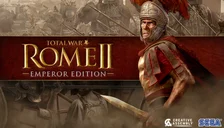
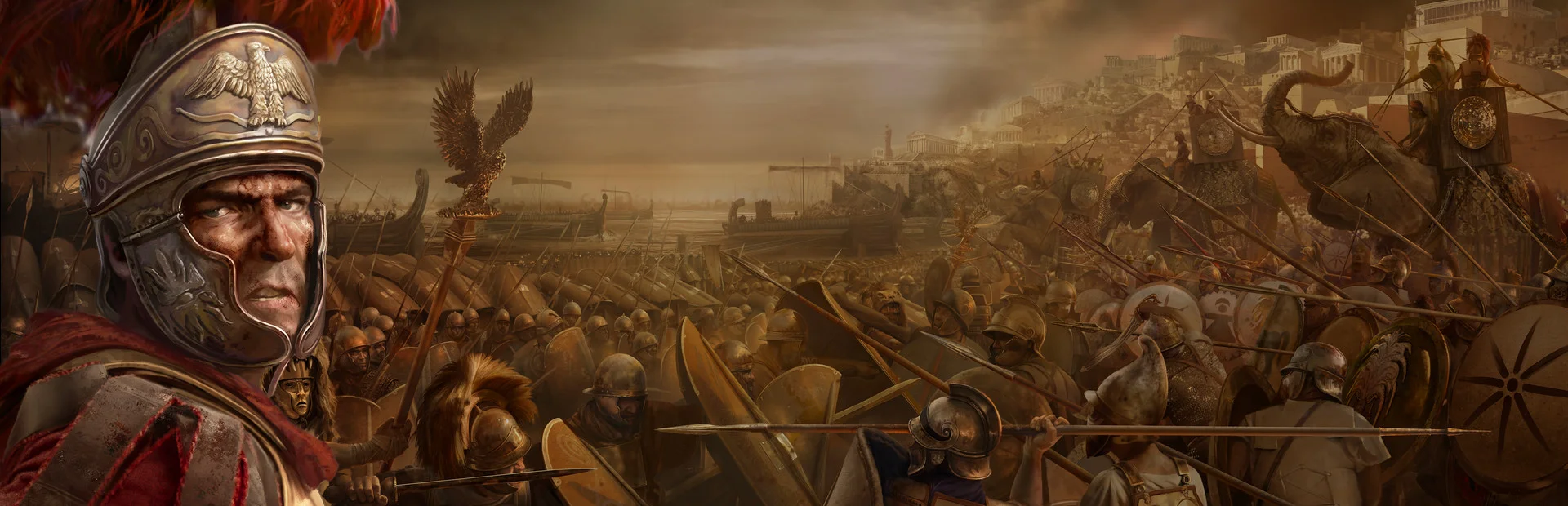
Total War: ROME II – Empire Divided is a grand-scale campaign pack for Total War: ROME II, set in 270 AD during the crisis of the third century. You lead one of ten factions from five cultural groups as the Roman Empire faces economic collapse, rival claimants to power and threats on its borders. Barbarian tribes gather to raid Roman lands, while the Sassanids advance west and Queen Zenobia of Palmyra leads the defence in the east. Aurelian is ready to take power in Rome, but the empire’s survival is uncertain.
Factions and leaders
The ten playable factions are divided among five cultural groups. Each group and faction has its own traits, while five factions—Rome, Gallic Rome, Palmyra, the Sassanids and the Gothi—are designated Heroic factions.
- The Divided Roman Empire: Rome, led by Aurelian; Gallic Rome, led by Gaius Tetricus; and Palmyra, led by Queen Zenobia. The culture grants units +15% morale in your own or allied territory, while Roman factions share a major diplomatic penalty with other Roman factions. Rome gains -50% resistance to foreign occupation and +15% army movement range. Gallic Rome gets a public order bonus of up to +6 from Latin culture and -20% political action costs. Palmyra has +20% research rate and reduces Banditry by 4 for each cult building in all regions.
- Germanic Kingdoms: Saxones, led by King Sigeric; Gothi, led by Cannabaudes; and Marcomanni, led by King Burkhard. The culture can always choose to fight night battles and earns +150% income from raiding and sacking. Saxones fleets move 20% farther and building conversion costs are reduced by 50% in all regions. Gothi recruitment costs for cavalry are reduced by 20%, and sword units start with level 1 weapons in all provinces. Marcomanni units gain +20% morale against Barbarian Tribes and have a 50% greater chance of successfully launching an ambush.
- Eastern Empires: The Sassanids, led by Hormizd, and Armenia, led by Narseh. The culture reduces Banditry by 5 in all provinces and increases income from commerce buildings by 20% in all regions. The Sassanids have a minor diplomatic bonus with Eastern and Nomadic factions and +20% cavalry charge bonus. Armenia’s commander unit starts 3 experience ranks higher and has a minor diplomatic bonus with all Roman factions.
- Nomadic Tribes: Alani, led by Nikanuur. The culture gives all ranged units 25% more ammunition and adds 3 army recruitment slots in the home province. Alani nomadic cavalry recruits start 2 experience ranks higher in all provinces, and the faction has a moderate diplomatic bonus with all nomadic barbarian tribes.
- Britannic Celts: Caledones, led by Segovax. The culture gives all units +20% charge bonus and all provinces +6 sanitation. Caledones gain +20% melee attack in their own or allied provinces and a moderate diplomatic bonus with all non-barbarian tribes.
Heroic factions
Heroic factions have more elaborate victory conditions and named faction leaders who cannot die in battle. Each also has a bespoke chain of events based on its leader’s life, offering ability bonuses and choices about the leader’s development and the faction’s direction.
New general and faction-specific events, dilemmas and missions add challenges, benefits and details of the period to campaigns. General skills have been overhauled so you can specialise characters in Recruitment, Combat, Strategy, Governance and Maritime Proficiency.
Campaign challenges
The campaign adds systems for Banditry, Plagues and Cults. Banditry rises in a province as your domain grows and when certain local buildings are present. Armies, generals and special buildings can reduce it. As Banditry grows, food levels fall and faction-wide shortages may follow; high provincial Banditry can also trigger special events.
Plagues hamper settlement growth, public order and income. They can spread between neighbouring territories, with armies and along trade routes. Sanitation buildings can prevent outbreaks and limit their spread, while key technologies can improve sanitation across your faction.
Any faction can build chains for three cults—Christianity, Mithraism and Manichaeism—in any settlement. Cult buildings cost nothing to construct, but spread foreign culture and can cause disorder. Removing one requires a significant expenditure and incurs a public order penalty, as doing so is considered persecution.
Technologies and buildings
Technology trees are redesigned for the period and each cultural group. Technologies represent measures rulers take to address their empires’ problems, rather than scientific or technological breakthroughs. Heroic faction trees follow their leaders’ stories: Aurelian reforms the military before unifying and defending the empire; Zenobia rises to power; Tetricus pursues Republican political views; Hormizd seeks to match the great kings before him; and Cannabaudes faces challenges as the Gothi strive to unite and persevere.
New and updated buildings include:
- Rome’s Administration building, for tax collection, agent improvement and countering Banditry.
- Naval Training buildings in the capitals of coastal provinces, which provide ship-recruitment bonuses.
- A Palmyrene religious chain dedicated to Baalshamin, Aglibol, Yarhibol, Malakbel and Nabu, and an Armenian chain dedicated to Christianity.
- Unique buildings for selected factions: Rome’s Grand Temple of Sol Invictus; Palmyra’s Great Colonnade, El Kanat irrigation system and Grand Temple of Baal; the Sassanids’ Grand Statue of Shapur I; and Armenia’s Etchmiadzin cathedral.
New units
The campaign adds unique and signature units to every faction alongside the existing Total War: ROME II rosters. Each faction has its own take on the Roman look, with Aurelian’s forces closest to the classic Roman style. The listed units include:
- Rome: Legionaries; Praetorians, Jovianii and Herulianii heavy infantry; Equites Dalmatarum light cavalry; and Clibanarii and Cataphractarii, very heavy cavalry described as precursors to medieval knights.
- Gallic Rome: Taifali Cavalry with distinctive shield designs, Gallic Legionaries distinct from Roman Legionaries, Gallic Axemen and Longswords.
- Palmyrene Rome: Palmyrene Legionaries with distinctive armour and a preference for spears, Hamian Archers, Palmyrene Cataphracts and Armoured Camels.
Frequently asked questions
The best price for Total War: Rome II - Emperor Edition Total War: ROME II - Empire Divided Campaign Pack is $5.77 at Steam. 3 shops have an offer that activates in your country.
Some are. This page only shows offers that activate in your country; offers for other regions, or with no stated region, are left out. To see the offers for another country, change your country at the top of the page.
Every key we list activates on Steam. Redeem the key there and Total War: Rome II - Emperor Edition Total War: ROME II - Empire Divided Campaign Pack stays in your library for good.
Yes, with a small risk. Publishers create keys to sell in other shops, which is why a key can cost less than in the official store, and once you activate it the DLC is yours to keep, just like a store purchase. On average 1–2% of keys fail, so check the shop's buyer protection before you buy: the official store does not refund keys bought elsewhere.
No. Total War: Rome II - Emperor Edition Total War: ROME II - Empire Divided Campaign Pack is DLC and only works with Total War: Rome II - Emperor Edition.
The minimum requirements for Total War: Rome II - Emperor Edition are: Windows XP, 2 GB RAM, 35 GB storage. It also runs on macOS. The recommended specs are in the System requirements section.
Yes. Total War: Rome II - Emperor Edition has multiplayer and a single-player mode. It supports online co-op, online PvP and LAN play.
Buy Total War: Rome II - Emperor Edition Total War: ROME II - Empire Divided Campaign Pack 64% cheaper than on Steam.
Total War: Rome II - Emperor Edition Total War: ROME II - Empire Divided Campaign Pack is available for 64% less in shops such as Loaded or Gamesplanet.
Steam lets publishers create keys to sell in other shops. Once you activate a key, the game is yours to keep, just like a store purchase.
Disclaimer: CD keys have an inherent 1–2% average failure rate. Check the shop terms for buyer protection info. Steam offers no buyer protection for keys bought in other shops and doesn't refund them.
Similar games
Rome: Total War
$4.44
12 offers
Medieval II: Total War
−78%$4.25
$19.9921 offers
Sid Meier's Civilization VI
−91%$5.32
$59.9925 offers
Total War: Warhammer II
−85%$8.67
$59.9921 offers
Knights of Honor II: Sovereign
−81%$8.15
$44.9926 offers
Imperator: Rome
−81%$7.20
$39.9921 offers
Age of Empires IV
−74%$10.36
$39.9915 offers
Age of History II
$5.99
1 offer
Age of Wonders 4
−65%$17.33
$49.9926 offers
Warhammer 40,000: Gladius - Relics of War
−94%$2.15
$39.9924 offers
Total War Saga: Thrones of Britannia
−60%$7.99
$19.9918 offers
Field of Glory: Empires
−85%$5.63
$39.9923 offers