

Spaceflight Simulator
Offers




Trailers & screenshots
1 / 15
About Spaceflight Simulator
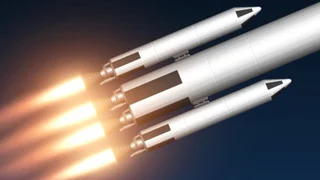
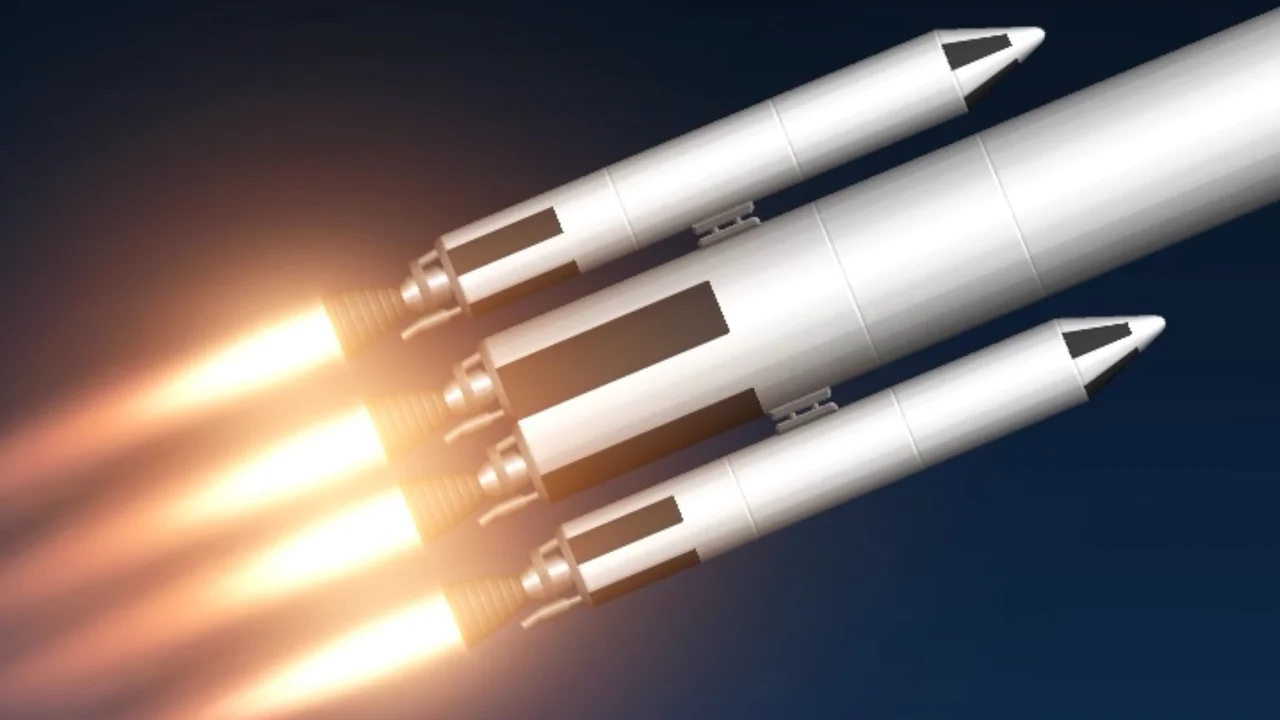
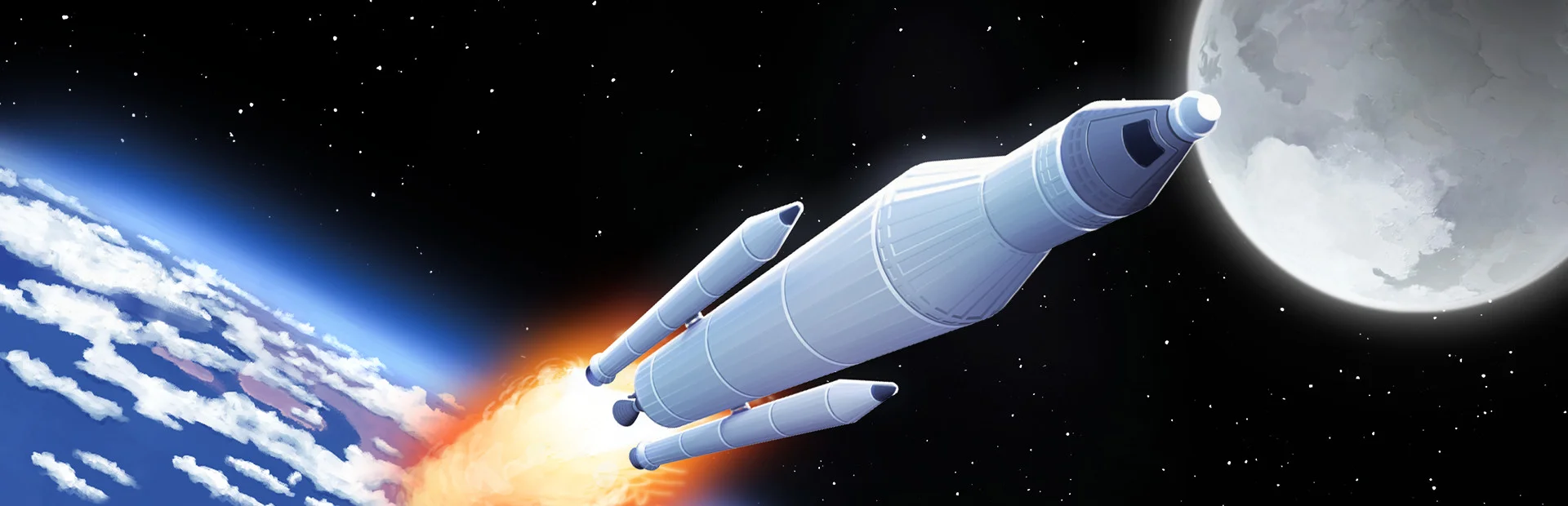
Spaceflight Simulator lets you run a space program, designing rockets, planning launches and flights, attempting landings, deploying payloads and exploring the Solar System. You assemble custom spacecraft from components with real-world counterparts, then learn through trial and error to build vehicles suited to each mission and navigate them to planets and moons.
Design and fly rockets
Parts have technical specifications, including mass and aerodynamics, that affect how a rocket behaves. Engines model thrust and fuel consumption, which determine how much payload you can carry safely. You can build multistage vehicles, choose how they separate and time secondary burns to reach a suitable trajectory.
Build a presence in space
Launch satellites and multiple rockets, build exploration rovers and construct space stations. Your world persists across missions as you travel long distances and expand your operations through the Solar System.
Rocket components
The available parts include:
- Fuel tanks in 20 sizes and configurations
- Engines and thrusters, including 6 propulsion systems and a reaction control system
- Aerodynamic components, including 13 fairings with a range of nose and side cones
- Capsules, probes, payload systems, separators and docking ports
- Landing systems: legs, parachutes and wheels
- Skins for personalizing rockets
Solar System destinations
Destinations have their own gravity and atmospheric conditions, shaping the challenge of landing. You can explore:
- Earth, your starting point, and the Moon, its celestial companion
- Mercury, the smallest planet and closest to the Sun; Venus, with an extremely dense, hot atmosphere; and Mars, with a thin atmosphere
- Phobos, Mars' inner moon, with rough terrain and low gravity, and Deimos, its outer moon, with extremely low gravity and a smooth surface
- Ceres, the largest body in the asteroid belt, and the Captured Asteroid orbiting Earth
- Jupiter and its moons Io, Europa, Ganymede, Callisto and Thebe, each with distinct terrain and landing difficulty
- Saturn and its moons Titan, Enceladus, Rhea, Iapetus, Dione, Tethys, Mimas and Pan
- Uranus and its moons Miranda, Ariel, Umbriel, Titania, Oberon and Puck
- Neptune and its moons Triton, Proteus and Naiad
- Pluto and its moons Charon, Nix and Hydra, at the edge of the Solar System
Frequently asked questions
The best price for Spaceflight Simulator is $14.99 at Steam. 2 shops have an offer that activates in your country.
Some are. This page only shows offers that activate in your country; offers for other regions, or with no stated region, are left out. To see the offers for another country, change your country at the top of the page.
Every key we list activates on Steam. Redeem the key there and Spaceflight Simulator stays in your library for good.
Yes, with a small risk. Publishers create keys to sell in other shops, which is why a key can cost less than in the official store, and once you activate it the game is yours to keep, just like a store purchase. On average 1–2% of keys fail, so check the shop's buyer protection before you buy: the official store does not refund keys bought elsewhere.
The minimum requirements for Spaceflight Simulator are: Windows 7, 2 GB RAM, 1 GB storage. It also runs on macOS. The recommended specs are in the System requirements section.
No. Spaceflight Simulator is a single-player game.
Mostly, yes. Valve rates Spaceflight Simulator as Playable on the Steam Deck: it runs, but may need some manual setup.
Steam lets publishers create keys to sell in other shops. Once you activate a key, the game is yours to keep, just like a store purchase.
Disclaimer: CD keys have an inherent 1–2% average failure rate. Check the shop terms for buyer protection info. Steam offers no buyer protection for keys bought in other shops and doesn't refund them.
Similar games
Kerbal Space Program
−84%$6.28
$39.9923 offers
Aviassembly
−30%$6.99
$9.991 offer
SpaceEngine
$29.99
1 offer
Universe Sandbox
−49%$15.19
$29.9917 offers
Space Engineers
−55%$8.83
$19.9913 offers
Elite: Dangerous
−78%$4.21
$19.9923 offers
Solar Expanse
$17.99
1 offer
Rings of Saturn
−94%$0.50
$9.9910 offers
Cosmoteer: Starship Architect & Commander
$19.99
1 offer
Avorion
−61%$9.53
$24.9914 offers
Starship EVO
$24.99
1 offer
Astrox Imperium
$14.99
2 offers