

SpaceEngine
Offers


Trailers & screenshots
1 / 37
About SpaceEngine
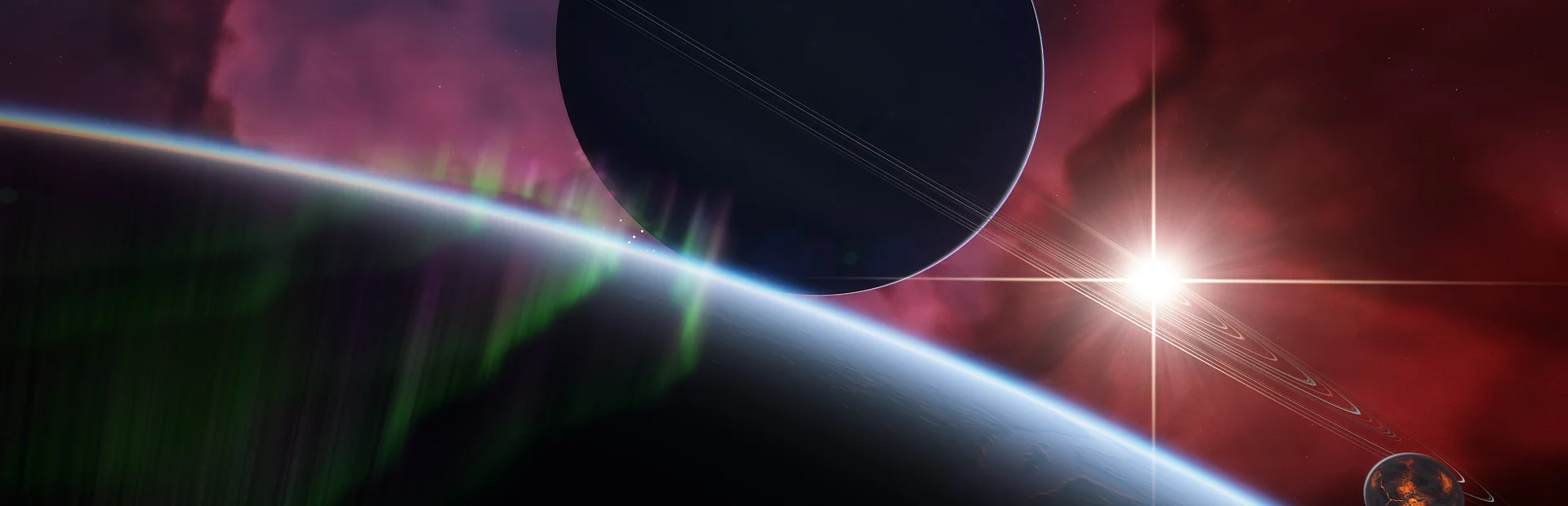
SpaceEngine is a science-based simulator of the universe at a 1:1 scale. It contains billions of galaxies, nebulae, stars and planets, represented at their real-world scale. You can travel seamlessly from Earth and the Solar System to a black hole in a distant galaxy, with no transitions, and explore celestial objects throughout space.
Explore space and time
Travel between objects and distances, from a planet’s surface to orbit, interstellar space and beyond. You can move by selecting an object and going to it, or fly freely, and you can travel at up to a million times the speed of light. Accelerate, slow or reverse time, or jump to a specified date to watch the orbital motion of worlds unfold.
SpaceEngine includes known celestial objects drawn from catalogs, including NGC/IC galaxies and HIPPARCOS stars, as well as Solar System bodies and known extrasolar planets. In uncatalogued regions, it generates galaxies, stars, star clusters, nebulae and planetary systems. An object search, a nearby star system search, a scalable universe map and planetary system charts help you navigate; an automatic journal records recently visited objects, and locations can be saved, exported, imported and shared.
Worlds and physics
Every planet you encounter has procedurally generated 3D terrain with detailed textures. Solar System bodies use data from space probes where available, while unmapped and procedural planet surfaces are generated by your computer’s GPU. The simulation also features volumetric 3D galaxies and nebulae with interstellar dust, 3D landscapes on planets and stars, realistic atmospheric scattering, eclipse shadows, animated auroras and comet tails, and light warping near black holes and neutron stars, which have animated accretion disks and jets.
Procedural galaxies, star systems and planets are generated with physical properties such as mass, radius, temperature and atmospheric parameters. The orbital motion of planets, moons and stars in multiple-star systems is calculated and displayed. Spacecraft use Newtonian physics, with concepts including orbital motion, atmospheric flight and Alcubierre warp drive physics.
Flight Simulator
In Flight Simulator mode, you can fly spacecraft anywhere in the universe. Ships use Newtonian physics and have a pilot-assist autopilot that is in early development but usable.
Tools and additions
Interactive tutorials introduce the controls and Planetarium tools. You can view object information in the built-in Wiki, which includes additional written descriptions of many known objects, and display orbital paths, labels, markers, constellations and other informational overlays. SpaceEngine also includes original background music with context-sensitive playback.
You can create and import add-ons, including catalogs, models and textures for deep-space objects and planets, spacecraft models, and custom GUI skins. Add-ons can be shared with others. Free high-resolution texture packs for many Solar System bodies are also available.
Frequently asked questions
The best price for SpaceEngine is $29.99 at Steam. It is the only shop with an offer that activates in your country.
The minimum requirements for SpaceEngine are: Windows 10, GeForce GTX 1050 Ti, Intel Core i3-3220T, 6 GB RAM, 4 GB storage. It runs on Windows only. The recommended specs are in the System requirements section.
No. SpaceEngine is a single-player game.
No. Valve rates SpaceEngine as Unsupported on the Steam Deck.
Yes. SpaceEngine is the full base game. You need nothing else to play it.
Steam lets publishers create keys to sell in other shops. Once you activate a key, the game is yours to keep, just like a store purchase.
Disclaimer: CD keys have an inherent 1–2% average failure rate. Check the shop terms for buyer protection info. Steam offers no buyer protection for keys bought in other shops and doesn't refund them.
Similar games
Universe Sandbox
−49%$15.19
$29.9917 offers
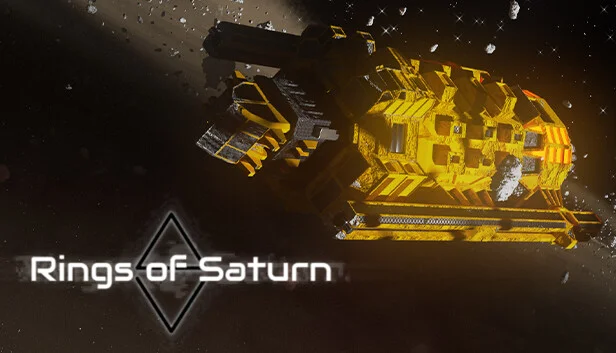
Rings of Saturn
−94%$0.50
$9.9910 offers

Juno: New Origins
−98%$0.35
$19.9914 offers
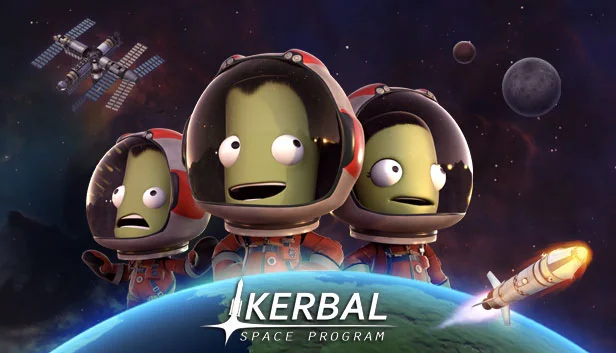
Kerbal Space Program
−84%$6.28
$39.9923 offers
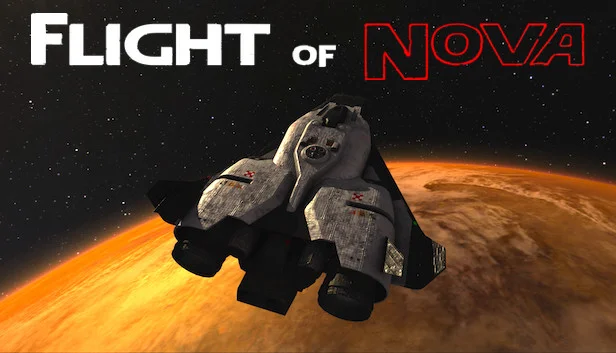
Flight of Nova
$29.99
1 offer
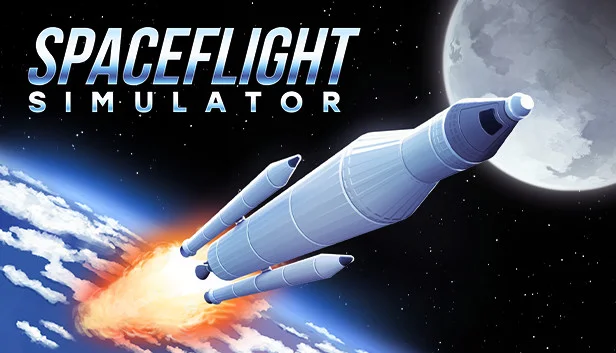
Spaceflight Simulator
$14.99
2 offers
Reentry: A Space Flight Simulator
$34.99
1 offer

Outer Wilds
−61%$9.64
$24.9919 offers
Solar Expanse
$17.99
1 offer
Orders of Magnitude
−50%$2.49
$4.991 offer
Elite: Dangerous
−78%$4.21
$19.9923 offers
Space Docker VR
$14.99
1 offer