

World Strategy War
Offers


Trailers & screenshots
1 / 12


About World Strategy War
World Strategy War is a persistent, real-time multiplayer empire game set in a medieval world. There are no turns: the world continues while you are logged off. Taxes are collected, soldiers age, prisoners work in mines and neighboring rulers may march toward your borders.
Soldiers and dynasties
Soldiers are born, fight, gain experience, grow old and die. Three real-world days equal one in-game year. Some soldiers may live for only six days, while others may survive for six months. Losing an experienced commander cannot be made up simply by recruiting more soldiers.
Each dynasty has one king, its most powerful battlefield leader. An army commanded by the king fights with twice the strength, but the king can die in battle. When that happens, another dynasty member inherits the throne. Every soldier born in the king’s city has a chance to join the royal dynasty, so a future heir may be born years before they take the throne.
Cities, taxes and loyalty
Taxes from your cities fill your treasury, but higher taxes reduce loyalty and increase the risk of rebellion. Rebellions put armed forces that do not belong to you inside the city, where they attack your soldiers. If you fail to suppress them, you may lose the city.
Garrisoning soldiers increases loyalty, but each soldier costs money every day. Balancing taxes, garrisons and expenses is central to managing your kingdom.
You can build castles, barracks, hospitals, embassies, agent headquarters, blacksmiths, iron mines and ports. Buildings unlock capabilities: hospitals treat wounded soldiers, prisoners can work in mines to produce iron, and blacksmiths turn iron into swords and shields. To reach lands divided by sea, you need ports and ships.
War and prisoners
War continues on the server whether or not you are watching. To capture a city, you must defeat its last defending soldier. Fortified garrisons can make this much harder, and walls require battering rams to breach.
After a victory, some enemy soldiers may become prisoners. You can put them to work in mines or negotiate their release for ransom, but they must be guarded. If your forces in the city are wiped out, prisoners may escape and return to their former ruler. A conquered city may also rebel because its people do not recognize you as their new ruler. The exception is a city you recapture after it once belonged to you; its people remember their former ruler.
Diplomacy and agents
Diplomats negotiate peace treaties, including their duration and gold terms, and can build alliances. If soldiers belonging to two players without a peace agreement meet in the same city, war begins automatically.
Agents operate in secret. They can track enemy armies, uncover plans, gather intelligence and find enemy commanders. Agents can also be discovered, wounded or killed.
Continents and the Passage Stone
All players share a persistent world divided into continents. The Passage Stone stands at their center and connects them; travel between continents must pass through it. Controlling the Stone lets you protect your own gateway and decide who else can pass.
Continents have different geography. Some are dominated by land, where marching armies, sieges and battering rams shape wars. Others are divided by sea and require ports to cross. Impassable mountain ranges funnel armies through specific corridors.
Frequently asked questions
The best price for World Strategy War is $2.99 at Steam. It is the only shop with an offer that activates in your country.
The minimum requirements for World Strategy War are: Windows Vista, 512 MB RAM, 1 GB storage. It runs on Windows only. The recommended specs are in the System requirements section.
Yes. World Strategy War is multiplayer only. It supports online PvP.
Yes. World Strategy War is the full base game. You need nothing else to play it.
Steam lets publishers create keys to sell in other shops. Once you activate a key, the game is yours to keep, just like a store purchase.
Disclaimer: CD keys have an inherent 1–2% average failure rate. Check the shop terms for buyer protection info. Steam offers no buyer protection for keys bought in other shops and doesn't refund them.
Similar games
Stronghold: Crusader - Definitive Edition
−37%$12.40
$19.9917 offers

Thronefall
−54%$5.90
$12.9914 offers
Creeper World 4
−39%$15.19
$24.9912 offers
Border Pioneer
−97%$0.50
$21.1023 offers
Minimalist Tower Defense
−21%$3.93
$4.998 offers
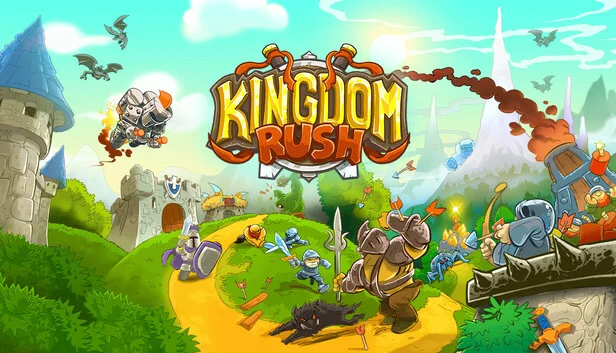
Kingdom Rush
−13%$8.66
$9.9914 offers
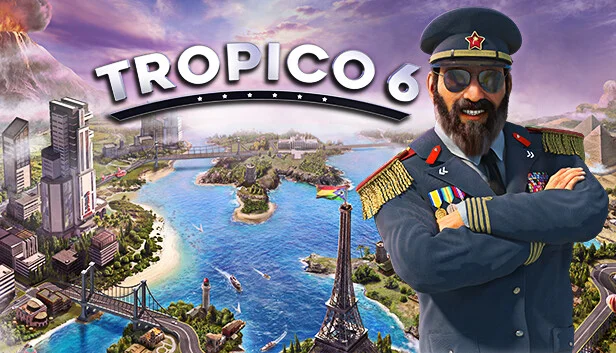
Tropico 6
−77%$8.97
$39.9921 offers
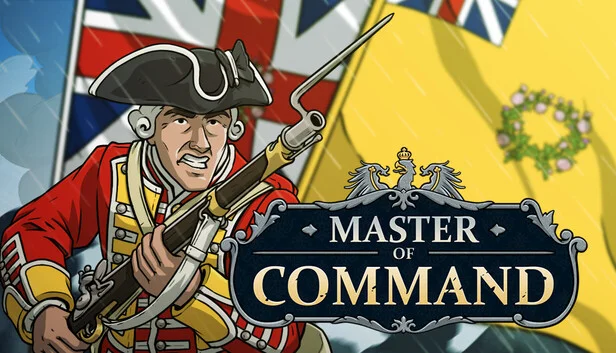
Master of Command
−21%$23.63
$29.996 offers
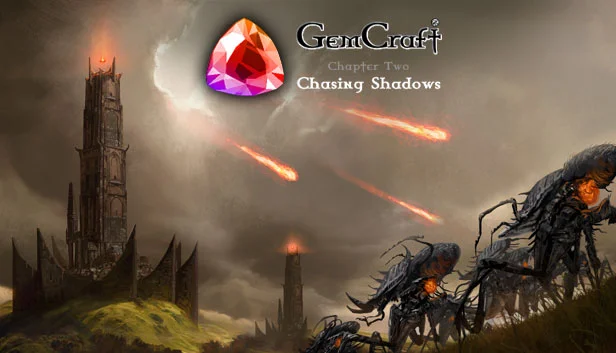
GemCraft - Chasing Shadows
−95%$0.41
$9.9913 offers
There Are No Orcs
−43%$5.06
$8.999 offers

Sunbreak War
$8.98
1 offer
Comrade Trump's Re-election
$2.99
1 offer