

Buy Trials of Guinevere PC key
Offers


Trailers & screenshots
1 / 12


About Trials of Guinevere
Trials of Guinevere combines strategic, turn-based combat with a character-focused visual-novel story. As its heroes grow and mature, each takes an important role in the story’s resolution. The game explores personal strength, loyalty and betrayal, sacrifice and redemption.
The story of Guinevere
Guinevere is a city-state at the center of Vitaria, home to more than six million people. Its commerce is thriving, and the city is known for its fishermen, craftsmen and Arcanist enchanters. Nearly two decades of peace followed the defeat of the Warlord, who had planted spies and soldiers across the city, sought to sow chaos and destruction, and fatally poisoned King Leorus III.
Before his death, the king chose two heroes: Uriel, a young Frostbringer, and Lowangen, his girlfriend and a Brawler. With Kei, a master of metaphysics, and Vhaldir, a priest of Llymayn, they stopped the Warlord’s forces and saved Guinevere. Now a new threat is emerging from within the city, possibly connected to its past.
The heroes
The story follows four second-year students at Guinevere’s Academy of Magic. Lane Conway is a lighthearted orphan raised in the city’s Peoples’ District. Bored by school, he wants to explore beyond the Academy; although he does not excel in his studies, he has a practical talent for magic.
Lane’s best friend and classmate, Amber Aveyonde, takes her studies seriously and is intrigued by the Eldyrians. She knows Ancient Eldyr, the language of the powerful Ancient Eldyrian Spells. Morgan DesCallier remembers little of her childhood and hopes she was born in a castle and is a princess; optimistic but lacking confidence, she wants to find her family and calling so she can help others.
Teo Northmere became friends with Morgan on their first day of classes. He comes from a small town in Cor Anara, a harsh desert country to the south, and hopes the Academy will teach him to master his talents before he returns home.
Turn-based combat
Combat is continuous and turn-based, with characters’ classes shaping their spells and abilities. Mages are proficient in magic, while fighters train in melee or ranged combat. For example, the Alchemist is a mage who specializes in stacking poisons on foes, while the Templar is a fighter who protects allies through prayers to her Goddess.
Spells and abilities have different uses, and status effects can change the course of a fight. You can silence an enemy Priestess to stop her magic for a few rounds, or frighten a damaging Barbarian to give your party time to defeat him. Each character has individual strengths, weaknesses and immunities. Power Levels measure character strength; each level provides two abilities or spells, as well as possible upgrades to existing ones. Combat also includes Free Actions, limited-use spells, Concentration, powerful items and salves.
Choices and progression
The game has four difficulty levels, including Storyteller mode, which makes combat trivial so you can focus on the story. Enemies use their abilities intelligently: they may target an armoured hero with offensive magic, protect a wounded teammate or try to silence your mages. Optional bosses offer powerful bonuses or items if defeated.
Your choices affect the ending and the characters’ fates. Even a subtle decision or choice of words can have consequences later, and only two main characters are guaranteed to survive to the end. The game has no random encounters or grinding; characters level up at set points in the story.
Vitaria and its stories
The game offers over 14 hours of gameplay, with additional content from talking to NPCs, learning about the world and completing side quests. More than 20 optional conversations develop the characters’ relationships, while the Chat feature reminds you what to do next to continue the story.
An in-game glossary explains mechanics, unlocks character biographies and covers the lore of Vitaria’s countries and magic. The setting also explores the ancient Eldyrian civilization, Guinevere’s relations with neighboring lands and the hierarchy of the Gods.
Frequently asked questions
The best price for Trials of Guinevere is $8.99 at Steam. It is the only shop with an offer that activates in your country.
The minimum requirements for Trials of Guinevere are: Windows 7, Intel Core 2 Duo, 4 GB RAM, 800 MB storage. It runs on Windows only. The recommended specs are in the System requirements section.
No. Trials of Guinevere is a single-player game.
Yes. Trials of Guinevere is the full base game. You need nothing else to play it.
Steam lets publishers create keys to sell in other shops. Once you activate a key, the game is yours to keep, just like a store purchase.
Disclaimer: CD keys have an inherent 1–2% average failure rate. Check the shop terms for buyer protection info. Steam offers no buyer protection for keys bought in other shops and doesn't refund them.
Similar games

Persona 3 Reload
−76%$14.02
$59.9917 offers
Divinity: Original Sin II
−63%$16.37
$44.9912 offers
Metaphor: ReFantazio
−44%$22.06
$39.9921 offers
The Nameless: Slay Dragon
−30%$12.59
$17.995 offers
Solasta: Crown of the Magister
−75%$7.31
$29.9920 offers
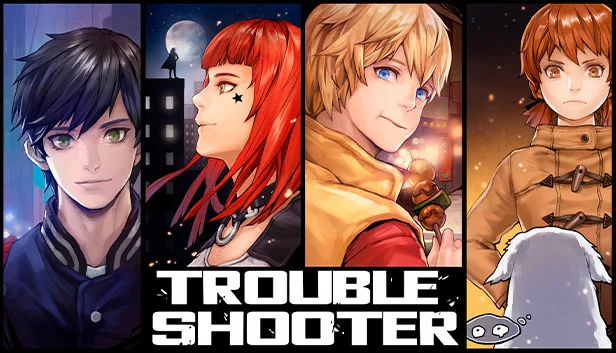
Troubleshooter: Abandoned Children
$24.99
1 offer
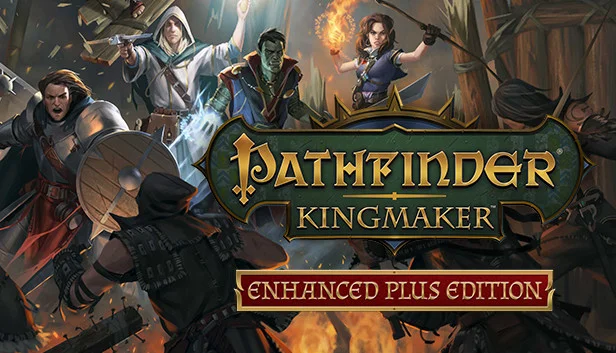
Pathfinder: Kingmaker
−98%$0.28
$19.9912 offers

Dragon Quest XI S: Echoes of an Elusive Age - Definitive Edition
−51%$19.29
$39.9910 offers
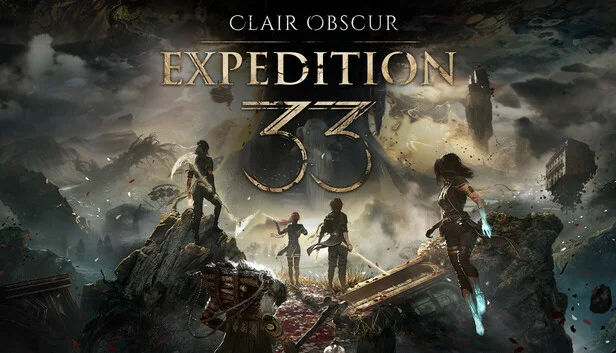
Clair Obscur: Expedition 33
−52%$23.76
$49.9931 offers
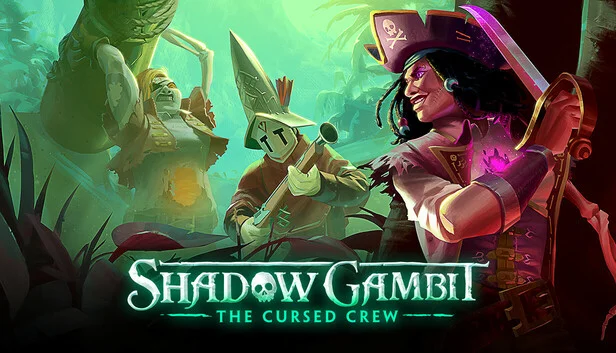
Shadow Gambit: The Cursed Crew
−97%$1.05
$39.9919 offers

Final Fantasy Resonance
−13%$43.00
$49.9920 offers

Sea of Stars
−84%$5.48
$34.9917 offers