

Buy Trainz Plus DLC - Blue Comet 2.0 - The Seashore's Finest Train PC key
Offers


Screenshots
1 / 16

About Trainz Plus DLC - Blue Comet 2.0 - The Seashore's Finest Train
Trainz Plus DLC - Blue Comet 2.0 - The Seashore's Finest Train adds the Blue Comet passenger train to Trainz. You can haul its passenger cars with Baldwin G3s Pacific locomotives in their early blue or black liveries, or use a weathered representation of the locomotive in its later P47 class form. The locomotives include a custom cab interior.
Locomotives and cars
The rolling stock includes baggage, combine, coach, diner and observation cars, each with a detailed passenger view. You can sit at a table in the dining car, look into the galley, ride in the coaches, take a wicker chair in the observation car, or visit the baggage car and smoker.
The Blue Comet was a Central Railroad of New Jersey service that ran from February 21, 1929, to September 27, 1941. Conceived by CNJ president Roy Barton White, it aimed to compete with Pennsylvania Railroad services between New York and Atlantic City by offering parlor-car comfort at regular coach fares. Its distinctive Packard blue, royal blue and Jersey cream livery evoked the Jersey coast and the image of a comet crossing the sky.
The Blue Comet service
Two new Baldwin G3s Pacifics were first assigned to the train, followed by three more. Locomotives 831–833 wore the Packard blue scheme, 834 was briefly olive green while working on the Bullet between Jersey City and Wilkes-Barre, and 835 was black. CNJ refurbished 16 cars at its Elizabethport workshops and named each after a short-period comet.
Passengers could reserve seats in the luxuriously appointed cars for the price of regular coach travel. Smoking and observation cars were available at no extra charge, and the train offered dining service at modest prices. Coaches had blue carpet, triple-cushioned seats in blue figured mohair, nickel-plated coat hooks and umbrella holders, a men's washroom and lavatory, and a women's lounge with a connecting toilet. Baggage and smoker combines had men's washrooms, blue leather seats, royal blue ashtrays and nickel-plated cuspidors.
The observation car had 48 movable wicker armchairs, a women's lavatory and separate washroom, and an observation deck with six folding chairs and a CNJ logo on the floor. A Blue Comet logo appeared on the drumhead at the rear. The diner, Giacobini, was converted from 25-year-old cafe car No. 81: steel plates covered its wooden body, while truss rods and turnbuckles beneath the floor showed its age. Blue carpet, table linen and napkins continued the train's color scheme. Its menu included a 75-cent Blue Plate special or a $1.25 fish, chicken or steak dinner, with baked apple pie and aged cheddar among the desserts.
Route and history
Passengers travelling from New York took a ferry across the Hudson River and boarded at Jersey City Terminal. The train followed New York and Long Branch trackage to Red Bank, then CNJ track to Winslow Junction, where it joined the Atlantic City Railroad's line to Atlantic City. The 136-mile (218.9-kilometre) journey took three hours, with an average top speed of 75 miles per hour.
The original timetable ran two round trips each day: departures from New York at 11 a.m. and 3 p.m., and from Atlantic City at 9:15 a.m. and 4:35 p.m. A typical consist included a baggage car, combine, coaches and observation car; on the morning trip to Atlantic City and evening return to Jersey City, the diner was placed ahead of the observation car.
The service carried 62,105 passengers in its first year, but ridership fell as the Depression deepened, reaching half that level by 1932. CNJ reduced the timetable to one daily round trip in 1933. Competition from the growing highway system and automobile travel contributed to the railroad's financial difficulties. After CNJ sought permission to end the service in 1940 and again in 1941, the New Jersey Board of Public Utility Commissioners approved its discontinuation, and the Blue Comet made its final run.
Frequently asked questions
The best price for Trainz Plus DLC - Blue Comet 2.0 - The Seashore's Finest Train is $24.99 at Steam. It is the only shop with an offer that activates in your country.
No. Trainz Plus DLC - Blue Comet 2.0 - The Seashore's Finest Train is DLC and only works with Trainz Plus.
The minimum requirements for Trainz Plus are: Windows 8, GeForce GT 430, Intel Core i5, 4 GB RAM, 40 GB storage. It also runs on macOS. The recommended specs are in the System requirements section.
Yes. Trainz Plus has multiplayer and a single-player mode. It supports online co-op. Players on different platforms can play together.
No. Valve rates Trainz Plus as Unsupported on the Steam Deck.
Steam lets publishers create keys to sell in other shops. Once you activate a key, the game is yours to keep, just like a store purchase.
Disclaimer: CD keys have an inherent 1–2% average failure rate. Check the shop terms for buyer protection info. Steam offers no buyer protection for keys bought in other shops and doesn't refund them.
Similar games
Trainz Railroad Simulator 2019
$20.00
2 offers
Trainz Railroad Simulator 2022
$39.99
2 offers
SimRail: The Railway Simulator
$34.99
5 offers
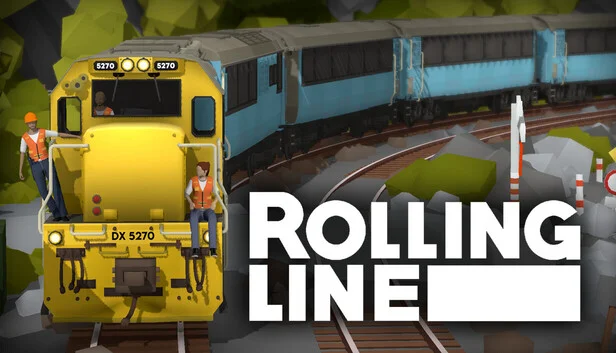
Rolling Line
−36%$15.86
$24.997 offers
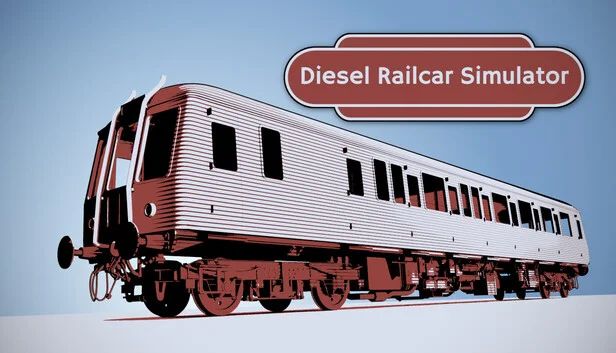
Diesel Railcar Simulator
$19.99
1 offer
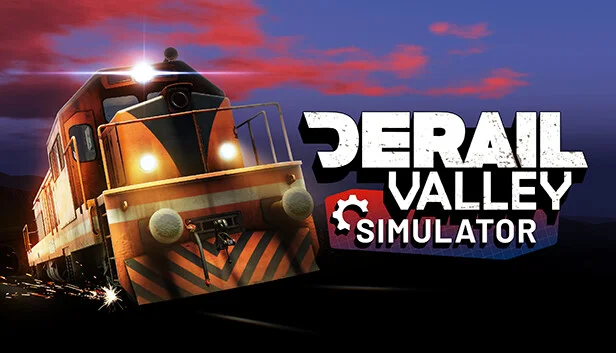
Derail Valley
$39.99
1 offer
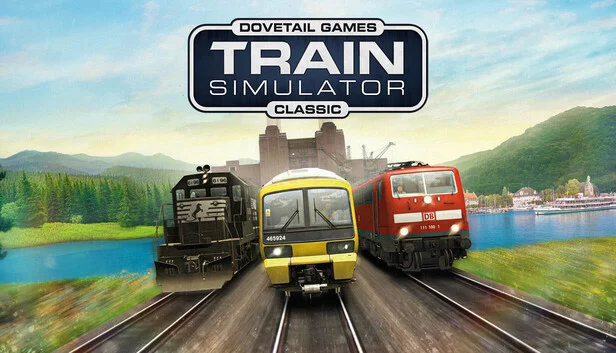
Train Simulator Classic
−88%$3.31
$29.9916 offers
Transport Fever 2
−80%$7.99
$39.9922 offers
Train Sim World 2
$19.99
8 offers
Euro Truck Simulator 2
−75%$4.99
$19.9917 offers
Hmmsim Metro
$19.99
1 offer
Running Train
$19.99
1 offer