

Buy Train Simulator Classic Train Simulator: BR Class 419 MLV BEMU Add-On PC key
Offers


Screenshots
1 / 8


About Train Simulator Classic Train Simulator: BR Class 419 MLV BEMU Add-On
The Train Simulator Classic Train Simulator: BR Class 419 MLV BEMU Add-On adds the BR Class 419 Motor Luggage Van to Train Simulator, along with other Southern Region rolling stock, three career scenarios and detailed train systems.
The Class 419
The Southern Region’s Motor Luggage Vans were built to carry luggage on boat trains between London and the ports of Dover and Folkestone. The trains carried holidaymakers travelling from London Victoria to the ports, where they connected with ferries to mainland Europe. As electric multiple units were not designed for the luggage loads, British Rail built vans that could carry belongings while running with passenger services.
The design was based on E68000, an early Motor Parcels Van prototype for the Tyneside DC network. Eastleigh Works built two Southern Region Motor Luggage Vans in 1959, numbered S68001 and S68002. They were lighter and less powerful than the prototype, making them better suited to port stations and quays. Because the quay lines at Dover and Folkestone were not electrified for safety reasons, the vans had batteries that could be recharged on the third rail. This let them travel at low speed away from electrified track for upwards of half an hour, enough to haul electric multiple units onto the quay, unload passengers and luggage, and push them back to electrified rails.
Ten vans were built for boat trains. They could reach 90 mph and haul up to 100 tons of dead weight on their own; some also worked Southern Region parcels services with GUV wagons. Under TOPS, they became Class 419s, with renumbered vehicles carrying their new identification in standard Southern Region style—for example, 419001 was previously 9001. Two have been scrapped; the rest are preserved or in storage. Preserved examples can run on heritage lines, while none has operated on the main line since 2004. All but one Class 419 were used as Class 931 departmental vehicles.
Included trains
The add-on includes the BR Class 419 MLV BEMU in Network Southeast and ‘Jaffa Cake’ liveries, plus BR Class 421 ‘4-CIG’ and BR Class 423 ‘4-VEP’ units in BR Blue & Grey livery. The Class 419 can carry extra loads over Southern Region routes.
Career scenarios
Three career scenarios for the South London Network Route Add-On are included:
- [MLV] Part 1: Brighton to London Bridge Parcels: drive the parcels service from Brighton to London Bridge.
- [MLV] Part 2: Stopper to London Bridge: operate a stopping service to London Bridge.
- [MLV] Part 3: Parcels to Brighton: take a parcels service to Brighton.
Train systems
The Class 419’s Pro Range simulation includes realistic throttle control, with camshaft control operated by a current-limiting relay, manual notching and overloads, as well as a series-wound motor simulation. Its braking model covers the MLV’s electro-pneumatic, automatic air and vacuum brakes, and can simulate three brake arrangements on the train portion: single pipe with distributor, dual pipe with distributor, and triple valves. Cast-iron tread brakes are modelled on the MLV and on GUV/TTA wagons, with support for legacy brakes. Brake modes support scenarios and compatibility with other EMUs such as the 4VEP and 4EPB; custom modes and EP brake failures can also be set through scenario scripting.
Adhesion and wheel slip and slide respond dynamically to seasons and weather. Scenario scripting can also account for frost, rail condition, leaf fall and oil patches. A parcel system can randomly load or unload parcels at each station stop, or be controlled through scenario scripting. The guard system applies the emergency brake if you move while the MLV doors are open, and rings the bell when loading is complete.
The deadman’s device operates automatically by default, but can be controlled independently in advanced mode. During a driving session, you can view energy consumption, thermal efficiency, distance travelled, estimated CO2 produced and average speed. Head-code blinds can be changed, though they are locked during scenarios. The traction batteries have simulated discharge and recharge cycles, taking about 6–20 hours to recharge. Scenario scripting can vary line voltage from 0V on unelectrified tracks to around 830V, with motor performance adjusting accordingly. You can also raise or lower the buckeye coupling and extend or retract buffers at either end, either directly or through scenario scripting.
Frequently asked questions
The best price for Train Simulator Classic Train Simulator: BR Class 419 MLV BEMU Add-On is $19.99 at Steam. It is the only shop with an offer that activates in your country.
No. Train Simulator Classic Train Simulator: BR Class 419 MLV BEMU Add-On is DLC and only works with Train Simulator Classic.
The minimum requirements for Train Simulator Classic are: Windows 10, GeForce GTX 750 Ti, Intel Core i3-4330, 4 GB RAM, 40 GB storage. It runs on Windows only. The recommended specs are in the System requirements section.
No. Train Simulator Classic is a single-player game.
Mostly, yes. Valve rates Train Simulator Classic as Playable on the Steam Deck: it runs, but may need some manual setup.
Steam lets publishers create keys to sell in other shops. Once you activate a key, the game is yours to keep, just like a store purchase.
Disclaimer: CD keys have an inherent 1–2% average failure rate. Check the shop terms for buyer protection info. Steam offers no buyer protection for keys bought in other shops and doesn't refund them.
Similar games
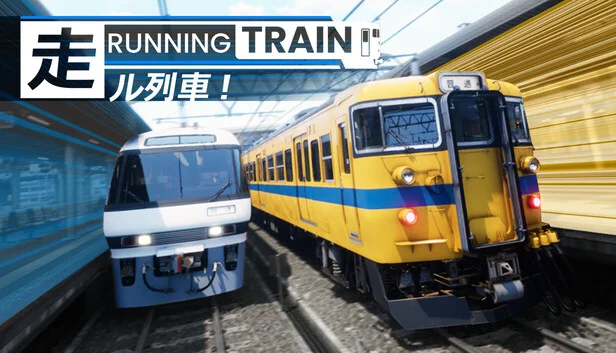
Running Train
$19.99
1 offer
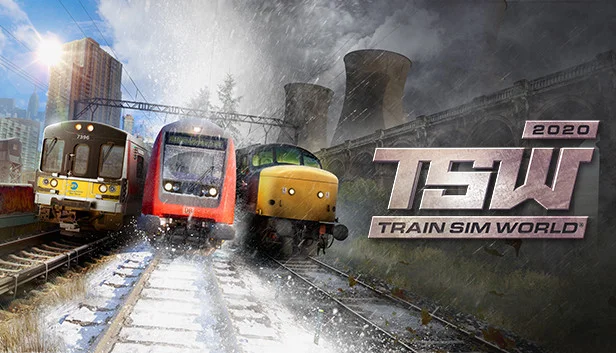
Train Sim World
$12.99
9 offers
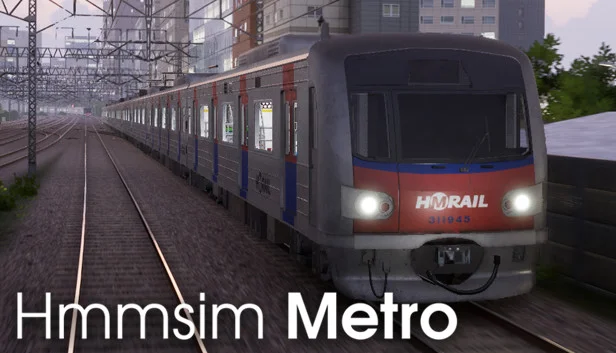
Hmmsim Metro
No offers
No shop sells it right now
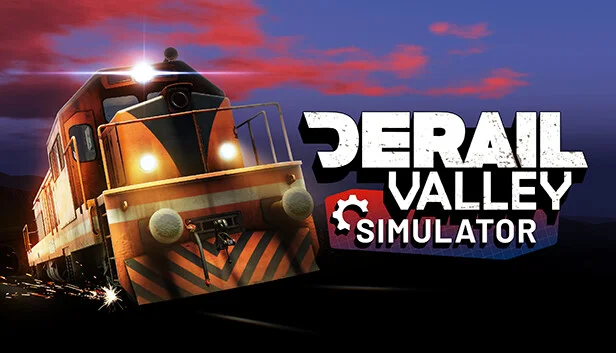
Derail Valley
$39.99
2 offers
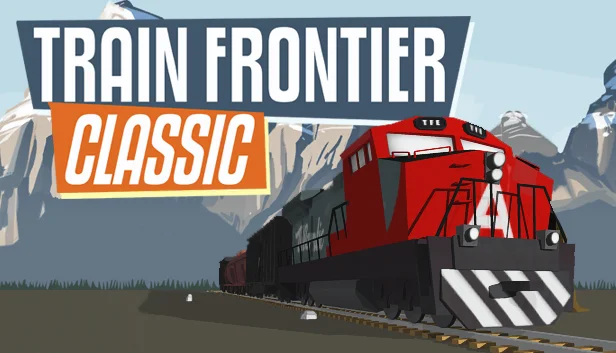
Train Frontier Classic
$9.99
1 offer

Thomas & Friends: Wonders of Sodor
$39.99
2 offers
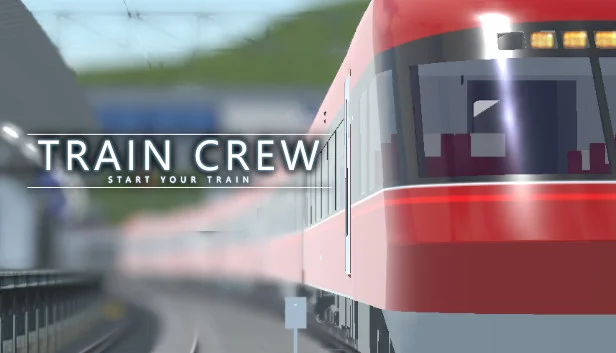
Train Crew
$16.99
1 offer

Mini Metro
−50%$4.92
$9.9912 offers
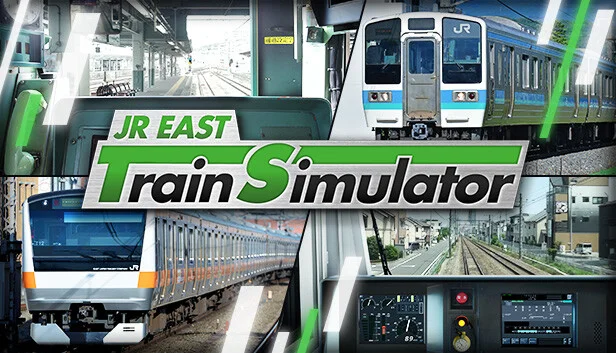
JR East Train Simulator
$22.99
1 offer
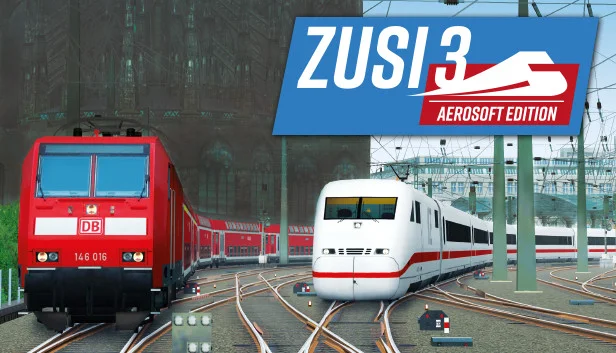
Zusi 3: Aerosoft Edition
−26%$51.32
$69.9911 offers
Rolling Line
−36%$15.86
$24.997 offers