

Keepshore
Offers


DLC

Trailers & screenshots
1 / 21


About Keepshore
Keepshore is a calm 3D town-builder that follows your settlements across nine ages, from a thatched hut on a wild coast to a gas-lit city of iron, glass and electric light. You build, staff buildings with named villagers, connect goods through production chains and sell them in a changing market. There is no combat, failure state or timer to pay to skip.
Build your town
Each game starts on an empty, procedurally generated island, where you place your first home. People move in, producers staff themselves, and goods begin arriving at the storehouse without manual harvesting. You choose where to place buildings such as watermills, quarries and salterns; each producer has terrain it favours, and the Build menu shows the bonus before placement.
The layout of workshops, supply chains, comfort venues, roads, rail and the electric grid affects your town. Producers short of goods show a red ember, while those without workers glow amber; their panels identify what is missing. Buildings gain mastery stars as they work, can receive paid upgrades, and choose a permanent Mastery Path when perfected. More than 600 hand-made buildings and over 150 goods span production chains such as ore to ingots to tools and grain to flour to bread.
Advance through the ages
There are nine ages: Stone, Bronze, Iron, Classical, Medieval, Renaissance, Enlightenment, Steam and Electric. Each has its own buildings, goods and challenges, including bronze smelters and salt pans, guild halls and windmills, printing houses and observatories, foundries and railway stations, and telephone exchanges and power stations. The game is capped at 1899, with no magic or future technology.
To advance, you must earn a Settlement Charter, load your boats and settle a new island; ages do not unlock through a menu. Each island remains permanently in the age in which you settled it. When you leave, it freezes as you left it, and you cannot return. You take a quarter of its stockpile as a launch grant, and the old island sends a daily tribute to your treasury from then on. Nighttime lighting changes with each age, from sparks at forges and glowing cathedral glass to salon lanterns, picture-house marquees and aerodrome searchlights.
Explore new islands
Every island is generated afresh, with a winding coastline of coves, bays and lagoons, as well as rivers, lakes, headlands and highlands. Islands span six climates, from tropical to subarctic to arid, giving each town a different setting and shape.
Meet your villagers
Villagers have names, vocations, dispositions and moods. They wander, talk and comment on what you build. You can rename and favourite them, then follow an individual across the island. You can also name your island and neighbourhoods. Building a Heraldry Hall turns your realm into a noble House with a name and motto; your household then rides at the head of the age’s great spectacles, and its words ring out over the field when it wins.
Events and spectacles
Travellers arrive at the quay with choices for you to make. Market days can bring a surge in trade, while other events include a gambler offering a pot and a chance to press your luck, a rainbow payout, a named act of kindness recorded in the chronicle, or a week when the world turns strange.
Each age has a signature spectacle unlocked by a building you choose to raise:
- The Great Hunt: In Stone, hunters return with a rotating quarry; roughly one in five is legendary.
- The Great Moot: In Bronze, kindreds gather and one takes the honour.
- The Oenach: In Iron, clans assemble at the standing stones.
- The Games: In Classical, chariots and athletes compete for the olive crown, with a rotating victor faction.
- The Grand Tourney: In Medieval, jousts and craft contests crown a champion guild.
- The Carnevale: In Renaissance, masques and cloth-of-gold fill the playhouse.
- The Balloon Ascent & the Salon: In Enlightenment, Montgolfier marvels accompany the brightest evening in town.
- The Grand Exposition: In Steam, a World's Fair scales in grandeur with the city.
- The Air Show: In Electric, pylon races and barnstormers compete for a crowned flying team.
Each spectacle crowns a winner, stages a festival in your town and records the victor in your Chronicle. Collecting them all takes a whole age.
Quests and discoveries
Optional pursuits include eight daily quests, weekly projects that award a Perk Point, ventures, landmarks hidden in the terrain, daily find-hunts, runaway critters to catch, a Research Cabinet to fund and Wonders to commission. The critical path remains light and doable; harder pursuits are destinations you choose rather than requirements. The game also tracks over 500 lifetime achievements, a building collection, an almanac of recipes and a chronicle of your town’s history.
Trade and specialization
Market prices respond to supply: selling a good in quantity lowers its price, while buying it raises the price. One commodity is hot each day and earns a premium. You can track prices, wait for a dip, make a Perfect Sale, run a caravan, use the exchange or focus on filling orders.
Perk Points come from every level, but no player can reach more than half of the perk tree. Specialist Focus has a fixed budget, and Kingdom Doctrines permanently exclude one another and cannot be unpicked. This makes specialization a lasting choice among approaches such as optimizing layouts, trading, designing a comfort-focused town or collecting.
Play at your own pace
The Nightwatch keeps storehouses filling while you are away and provides a report when you return. Quests, login streaks and weekly projects follow the real calendar, rolling over once a day. Missed days grant a Rest Bonus, and streaks have a catch-up window. The game has no energy bars or ads, and sells no progression in a shop. It can be played offline.
Frequently asked questions
Yes. Keepshore is free to play on Steam, so there is nothing to buy to start playing.
The minimum requirements for Keepshore are: Windows 7, GeForce GTX 1060, Intel Core 2 Duo, 8 GB RAM, 3 GB storage. It runs on Windows only. The recommended specs are in the System requirements section.
No. Keepshore is a single-player game.
Yes. Keepshore is the full base game. You need nothing else to play it.
Similar games
Banished
−68%$6.20
$19.9917 offers
Prison Architect
−80%$5.85
$29.9917 offers
Dawn of Man
−53%$11.73
$24.9911 offers
Stonehearth
$19.99
3 offers
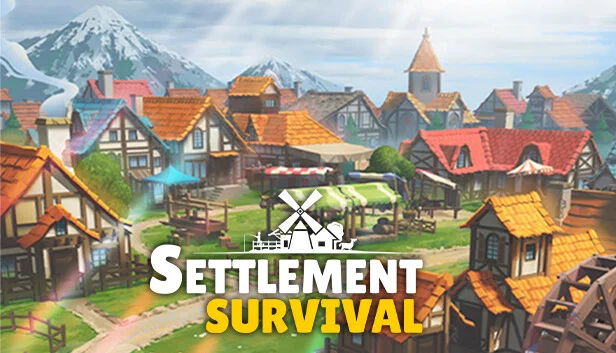
Settlement Survival
−81%$3.79
$19.9918 offers
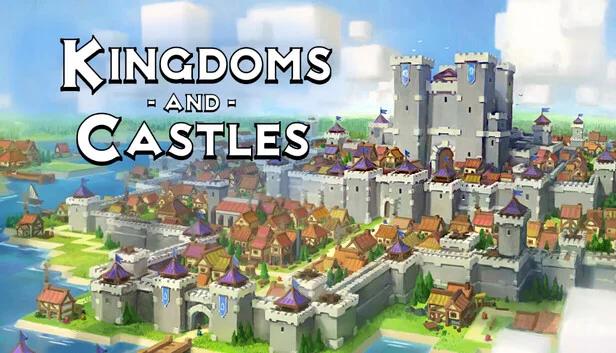
Kingdoms and Castles
−50%$9.99
$19.992 offers
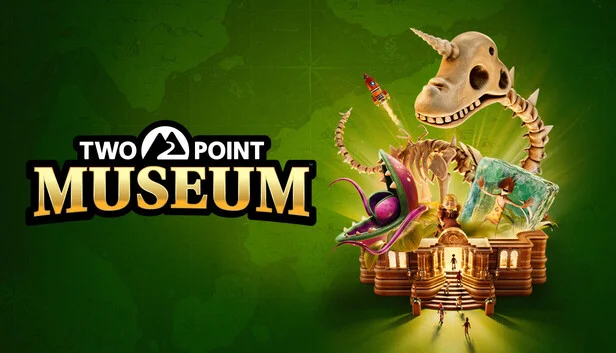
Two Point Museum
−49%$15.09
$29.9919 offers
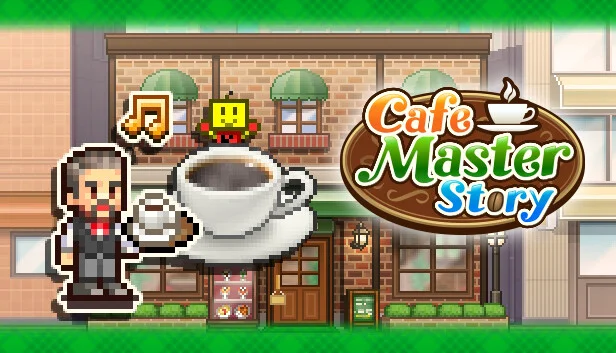
Cafe Master Story
$12.99
1 offer
Dream Town Island
$12.99
1 offer
RimWorld
−33%$23.28
$34.9920 offers
Foundation
$34.99
3 offers
Gnomoria
−29%$10.58
$14.9911 offers