

Buy JR East Train Simulator Yokosuka Line Series E217 PC key
Offers


Trailers & screenshots
1 / 12
About JR East Train Simulator Yokosuka Line Series E217
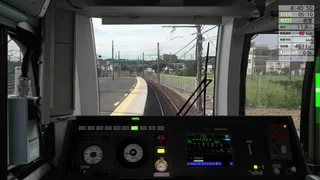
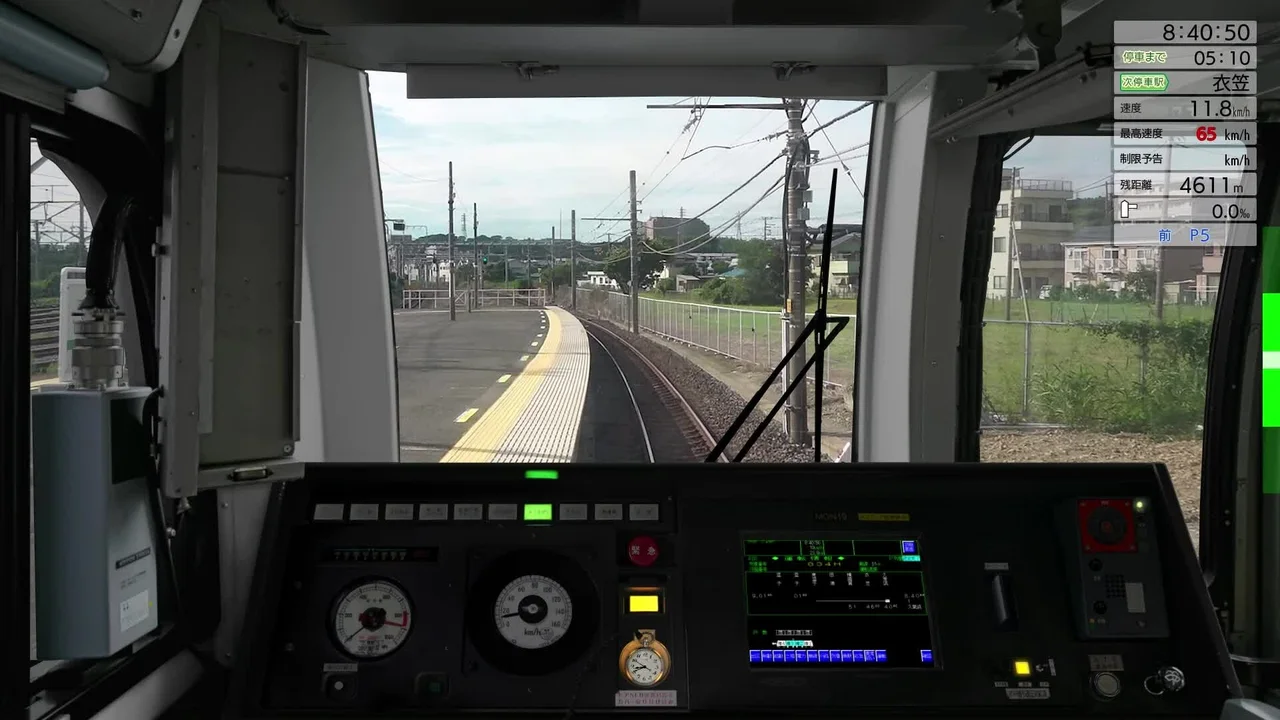
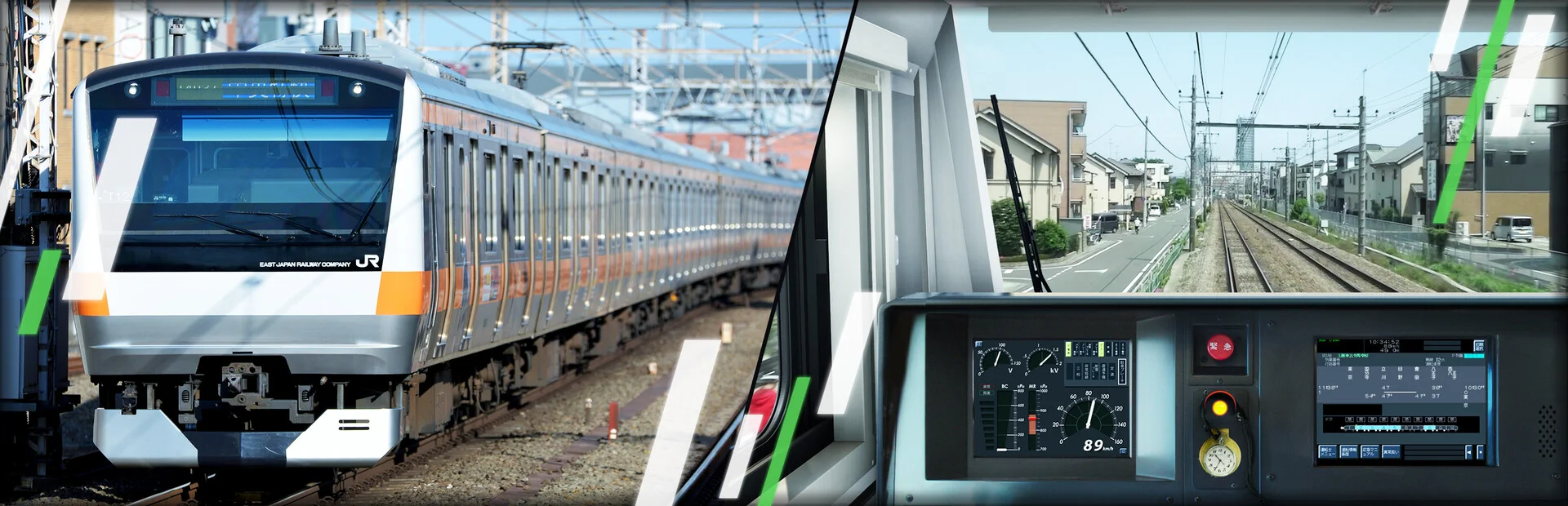
JR East Train Simulator Yokosuka Line Series E217 lets you drive the Yokosuka Line inbound from Kurihama to Tōkyō. The route covers 73.3 km and 19 stations, passing from the suburbs of Kanagawa into central Tōkyō. You drive a Series E217 train with ATS-P security equipment.
The route
The Yokosuka Line runs from Kurihama through Yokosuka, Kamakura, Ōfuna and Yokohama to Tōkyō. Although the official line name between Ōfuna and Tōkyō is the Tōkaidō Main Line, trains run directly between Kurihama and Tōkyō, and the whole route is known as the Yokosuka Line. After Yokohama, the line separates from the Tōkaidō Main Line near Tsurumi, runs alongside the Tōkaidō Shinkansen via Shin-Kawasaki and Musashi-Kosugi, then continues underground from Shinagawa to Tōkyō.
The route also connects with services that extend beyond it. The Sobu Rapid Line has run directly from Tōkyō to Chiba since 1980, with trains continuing to destinations including Chiba and Narita Airport. Since 2001, the Shōnan Shinjuku Line has provided direct service from Zushi to Utsunomiya, connecting with Shinjuku and other Tōkyō subcenters and the Utsunomiya Line. You can also see the Narita Express and other trains with different destinations.
Route landmarks
The route features rivers, tunnels, rail junctions and neighboring transport lines, including:
- Hirasakugawa River: the line crosses the river several times between Kurihama and Kinugasa, where the river runs alongside it.
- Yokosuka Tunnel: a tunnel more than 2,000 meters long between Kinugasa and Yokosuka.
- Shikkama and Taura tunnels: the down-line Shikkama Tunnel dates from the Meiji period, the up-line tunnel from the Taishō period and the munitions-transport pull line from the Shōwa period. Taura Station’s platform lies between the Shikkama and Taura tunnels. On 11-car trains stopping there, the doors of the first car and the first door of the second car remain closed.
- Keikyū lines: the Keikyū Corporation Main Line crosses the route between Taura and Higashi-Zushi and again between Nishi-Ōi and Shinagawa; its Zushi Line crosses between Higashi-Zushi and Zushi. A red Keikyū train is visible at the Main Line crossing near Taura.
- Yokohama-Yokosuka Road: the road crosses the route again at the end of the tunnel between Taura and Higashi-Zushi.
- Zushi pull-in line: between Higashi-Zushi and Zushi, the route runs alongside the Japan Transport Engineering Company (J-TREC) pull-in line in Kanazawa-ku, Yokohama.
- Enkakuji Temple: the temple marker for the Rinzai sect’s head temple stands beside Kita-Kamakura Station.
- Enoshima Electric Railway: near Kamakura Station, the railway is visible to the left on a lower level.
- SHONAN MONORAIL: the monorail and Route 304 cross the line between Kita-Kamakura and Ōfuna. The Ōfuna Kannon, a large statue of the white-robed Kannon, is also visible there.
- Rail lines around Ōfuna and Totsuka: the Tōkaidō Freight Line, Tōkaidō Main Line and Keihin-Tōhoku/Negishi Line run alongside the route. Between Ōfuna and Totsuka, the Yokosuka Line crosses over the Tōkaidō Line to switch tracks.
- SAGAMI RAILWAY Main Line: the route runs alongside it after Hodogaya Station.
- Crossings near Tsurumi: the route crosses the Yokohama Line near Higashi-Kanagawa Station and the Tsurumi Line shortly before Tsurumi Station. It also crosses the Tsurumi River, then branches away from the Tōkaidō Main Line and Keihin-Tōhoku Line.
- Shin-Tsurumi Locomotive Depot: a large Nippon Freight Railway rail yard is visible to the left on arrival at Shin-Kawasaki Station.
- Tama River: the river marks the border between Kanagawa Prefecture and Tōkyō; crossing it takes the train into the Tōkyō Metropolis.
- Lines between Musashi-Kosugi and Shinagawa: the route crosses the Tōkyū Ikegami Line, runs alongside the Tōkaidō Shinkansen and passes over and directly beneath it. Farther along, it crosses the Tōkyū Ōimachi Line, with Shimo-Shimmei Station visible to the right.
- Shōnan Shinjuku Line and Meguro River: after Nishi-Ōi Station, the Shōnan Shinjuku Line branches to the right and the route joins the Yamanote Freight Line from the Shinjuku direction before crossing the Meguro River.
- Tamachi Rolling Stock Center: the center is visible to the left when departing Shinagawa Station.
- Shinagawa–Tōkyō tunnel: after Shinagawa, the route runs underground to its terminus at Tōkyō Station.
Operable services
Five schedules are available to drive. All use Series E217 trains and real voice announcements by the Yokohama unification center:
- 730S: Local for Kimitsu, 15 cars; drive from Zushi (07:51) to Tōkyō (08:54).
- 834H: Local for Zushi, 4 cars; drive from Kurihama (08:40) to Zushi (09:01).
- 1204S: Local for Kimitsu, 11 cars; drive from Zushi (12:52) to Tōkyō (13:53).
- 1330S: Local for Kazusa-Ichinomiya, 15 cars; drive from Zushi (13:42) to Tōkyō (14:39).
- 1704H: Local for Zushi, 4 cars; drive from Kurihama (08:40) to Zushi (09:01).
Frequently asked questions
The best price for JR East Train Simulator Yokosuka Line Series E217 is $26.99 at Steam. It is the only shop with an offer that activates in your country.
No. JR East Train Simulator Yokosuka Line Series E217 is DLC and only works with JR East Train Simulator.
The minimum requirements for JR East Train Simulator are: Windows 11, GeForce GTX 1060, Intel Core i5-8500, 16 GB RAM, 60 GB storage. It runs on Windows only. The recommended specs are in the System requirements section.
No. JR East Train Simulator is a single-player game.
No. Valve rates JR East Train Simulator as Unsupported on the Steam Deck.
Steam lets publishers create keys to sell in other shops. Once you activate a key, the game is yours to keep, just like a store purchase.
Disclaimer: CD keys have an inherent 1–2% average failure rate. Check the shop terms for buyer protection info. Steam offers no buyer protection for keys bought in other shops and doesn't refund them.
Similar games
Train Sim World 4
−40%$17.72
$29.9912 offers
SimRail: The Railway Simulator
$34.99
5 offers
Hmmsim Metro
$19.99
1 offer
Running Train
$19.99
1 offer
Train Simulator Classic
−88%$3.31
$29.9916 offers
Derail Valley
$39.99
1 offer
Train Crew
$16.99
1 offer
Railroader
$29.99
1 offer
Mini Metro
−50%$4.92
$9.9911 offers
Transport Fever 2
−80%$7.99
$39.9922 offers
Trainz Railroad Simulator 2019
$20.00
2 offers
TramSim Vienna
−63%$12.82
$34.9915 offers