

Imperial Ambitions
Offers
- −20%$15.99View Offer




Trailers & screenshots
1 / 13



About Imperial Ambitions
Imperial Ambitions is a 4X strategy game set during the Age of Discovery and Renaissance. You take control of a European superpower and build an empire by exploring and colonizing the world, allocating labor, controlling markets, fighting tactical battles, maintaining order and surviving the age of imperialism.
Build and command armies
Armies move across a campaign map in formations that affect how they operate. Large armies can travel in columns, which are harder to move and require more planning before battle. You can split regiments off for small tactical excursions or send them behind enemy lines to create crossfire, while keeping your frontline covered. Units keep firing until the end of each turn.
Manage society
Your population is divided into slaves, peasants, apprentices, artisans and masters. Apart from slaves, citizens can advance through four class tiers; education helps them progress, while each tier brings greater capabilities and different resource needs. Higher classes provide more labor but require luxury resources, and citizens may stop working because of training, hunger, epidemics, crime or rebellion. Units and agents must also be trained from the relevant classes, so you need to balance the population’s composition. Names depend on culture, while skin tones are random.
People, soldiers, agents and populations develop traits shaped by their experiences, culture, religion, wealth, health and living conditions. Traits can affect behavior, loyalty, action points, migration, combat performance and whether units obey orders; traits can also influence one another. These systems can make societies unstable and create difficult choices. For example, food shortages can cause hunger, lower efficiency and increase unrest, while malnutrition can make disease more dangerous. Plague can reduce the workforce, spread fear, drive refugees from towns and undermine stability. Trade can ease poverty and help towns prosper, while inequality can fuel greed, crime, resentment, vandalism and unrest.
Pressure can build into protests and riots, damaging order, reducing labor and destroying property and lives. Hunger, illness, discrimination and trauma can make people more likely to resist authority. Military force can quell riots, but harsh repression may leave trauma and hatred behind. Wealthy citizens can withstand shortages better and resist protests, though they may become targets when society breaks down; distributing gold can provide temporary stability, with longer-term effects depending on the town. Differences between people can lead to discrimination, poverty and violence, while fearful minorities may migrate and discriminated groups may be less likely to resist invasion. Linguists can reduce cultural friction, and religion can unite communities, though conversion and religious divisions can also strengthen resistance. Zealots can turn religious belief into social pressure and violence. Refugees bring trauma, poverty, faith, culture and memory to new towns. Units and agents can also suffer from prolonged exposure to conditions in a location, such as seasickness after long periods at sea.
Wealth gaps can lead to banditry, fear, poverty and smuggling. Generals can convict bandits and reintegrate them into society, while entrepreneurs can force convicted criminals into labor, addressing one problem while creating social and moral consequences.
Use agents
Agents move across the map to administer towns, trade, command armies, open routes, spread faith, suppress unrest, sabotage rivals and reshape society. The description identifies seven agent types: Merchant, Builder, Explorer, Shadowmaster, General and Gentleman, alongside Priests and related religious roles. Agents can address the same crisis in different ways, using wealth, religion, negotiation, repression, migration, trade, crime or reform.
- Explorers: reveal the world, find resources, negotiate peace and help ease cultural divisions.
- Generals: rally armies, improve marches and sieges, and set harsh or lenient rules in occupied towns. They can also cause disruption through plunder, slave raids and massacres.
- Builders: open infrastructure options and construct roads, farms, mines, plantations and forts.
- Merchants: establish trade routes, support towns with gold, hire indentured settlers for new settlements and use economic influence to help struggling communities.
- Priests: convert populations, investigate or suppress religious threats, heal the sick, spread seeds, create pilgrims and conduct inquisitions. Other religious agents include Pastors, Presbyters and imams.
- Gentlemen: take on roles such as patron, professor, diplomat, linguist, physician, plague doctor, herbalist or antiquarian.
- Shadowmasters: build criminal networks, raid by land or sea, sabotage towns, provoke unrest, manipulate populations, spread disease and use social instability as a weapon.
Develop production and trade
As your empire expands across mountains and seas, you gain access to more resources, including endemic ones. Roads and docks transport resources from across the empire to the capital, where abundant supplies let you assign laborers to make higher-quality goods. More than 40 resources can be extracted, produced or imported, and population demands depend on education. You manage resources and production chains while supporting your population; when resources are inaccessible, you can trade with other superpowers, replant endemic plants, invade or use the black market. An auto-allocator is available if you prefer not to manage labor allocation yourself.
Every town except a capital has specific needs that can earn you gold when met. Merchants must visit towns to make deals and link them with trade routes; route profits depend on town choice, order and revenue, and routes can also supply resources for your empire. Trade can be blocked when local rulers boycott you. If a town has outlaws, a Shadowmaster can establish a smuggling route to buy resources—even in hostile territory—without good relations or tax payments. Smuggling spreads corruption and crime along its route. Shadowmasters can encourage this by establishing crime syndicates, while Inquisitors and Governors can convict outlaws and shut down illegal routes.
Upgrade your agents
Agents can develop into roles with different ways to influence towns. Merchants can become bankers, entrepreneurs or trade counselors; Generals can specialize in command, occupation, discipline or managing large forces; and Priests can focus on conversion, healing, pilgrimage or religious control. Diplomats and linguists can help ease cultural divisions. These upgrades open different approaches to problems, from stimulating trade or capturing criminals to reducing religious tension or discrimination, or restoring order by force.
Research and diplomacy
The technology tree is hidden apart from the technologies currently available to research. When agents are upgraded, they may write books or create artworks, which serve as intellectual resources for unlocking units, buildings and production processes.
Diplomacy uses a grudge system: aggressive actions by rival powers raise tensions, while distance and time can lower them. If a grudge grows too large, war may be declared automatically. When tensions fall below a certain level, a Diplomat can negotiate peace near enemy units; negotiations may take time, and gold can sometimes help. The game uses pixel art to depict an alternate universe that combines pop culture with classic cartoon representations of imperialism.
Frequently asked questions
The best price for Imperial Ambitions is $15.99 at Steam. 2 shops have an offer that activates in your country.
Some are. This page only shows offers that activate in your country; offers for other regions, or with no stated region, are left out. To see the offers for another country, change your country at the top of the page.
Every key we list activates on Steam. Redeem the key there and Imperial Ambitions stays in your library for good.
Yes, with a small risk. Publishers create keys to sell in other shops, which is why a key can cost less than in the official store, and once you activate it the game is yours to keep, just like a store purchase. On average 1–2% of keys fail, so check the shop's buyer protection before you buy: the official store does not refund keys bought elsewhere.
The minimum requirements for Imperial Ambitions are: Windows 7, 16 GB RAM. It also runs on macOS. The recommended specs are in the System requirements section.
Yes. Imperial Ambitions has multiplayer and a single-player mode. It supports split-screen PvP.
Mostly, yes. Valve rates Imperial Ambitions as Playable on the Steam Deck: it runs, but may need some manual setup.
Steam lets publishers create keys to sell in other shops. Once you activate a key, the game is yours to keep, just like a store purchase.
Disclaimer: CD keys have an inherent 1–2% average failure rate. Check the shop terms for buyer protection info. Steam offers no buyer protection for keys bought in other shops and doesn't refund them.
Similar games
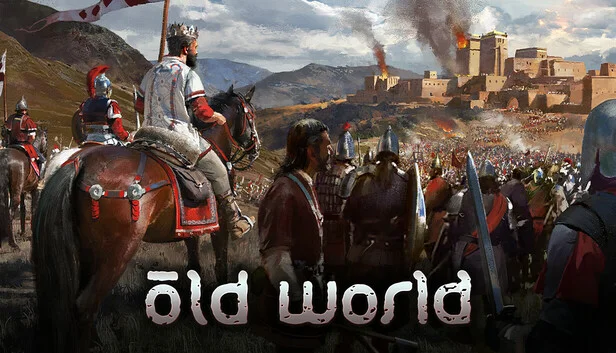
Old World
−97%$1.08
$39.9918 offers
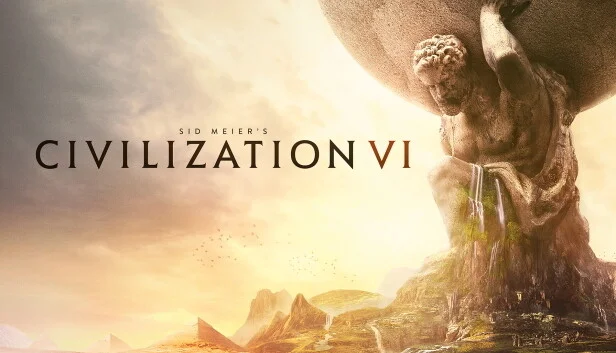
Sid Meier's Civilization VI
−91%$5.33
$59.9922 offers
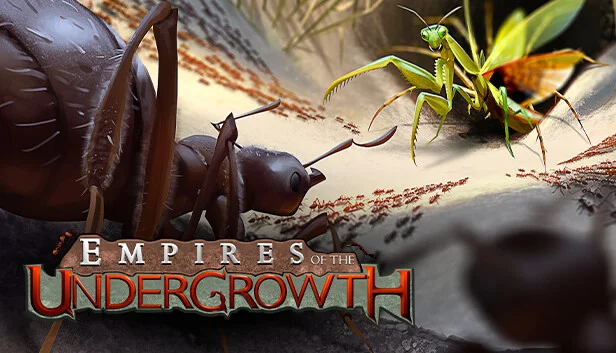
Empires of the Undergrowth
−75%$4.88
$19.9816 offers

Age of Wonders: Planetfall
−85%$4.20
$29.9917 offers
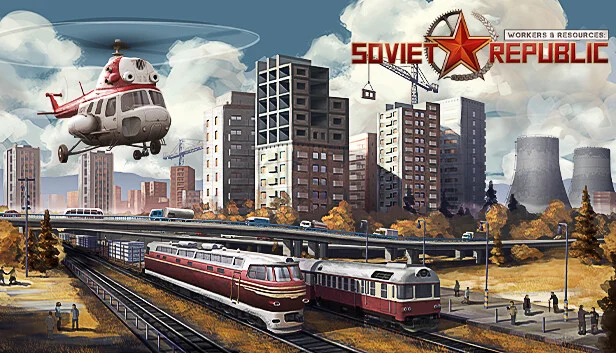
Workers & Resources: Soviet Republic
−76%$9.45
$39.9915 offers

Europa Universalis IV
−90%$4.59
$49.9922 offers
Knights of Honor II: Sovereign
−81%$8.15
$44.9921 offers

Humankind
$11.92
11 offers
Politon
−68%$1.55
$4.993 offers
Warhammer 40,000: Gladius - Relics of War
−95%$1.62
$39.9920 offers
Ozymandias
−98%$0.26
$14.9915 offers
Heroes of Might & Magic: Olden Era
−42%$22.81
$39.9917 offers