

Buy IL-2 Sturmovik: Battle of Stalingrad IL-2 Sturmovik: Polikarpov U-2VS PC key
Offers


Screenshots
1 / 5
IL-2 Sturmovik series
About IL-2 Sturmovik: Battle of Stalingrad IL-2 Sturmovik: Polikarpov U-2VS
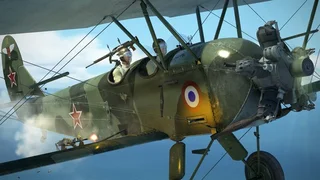
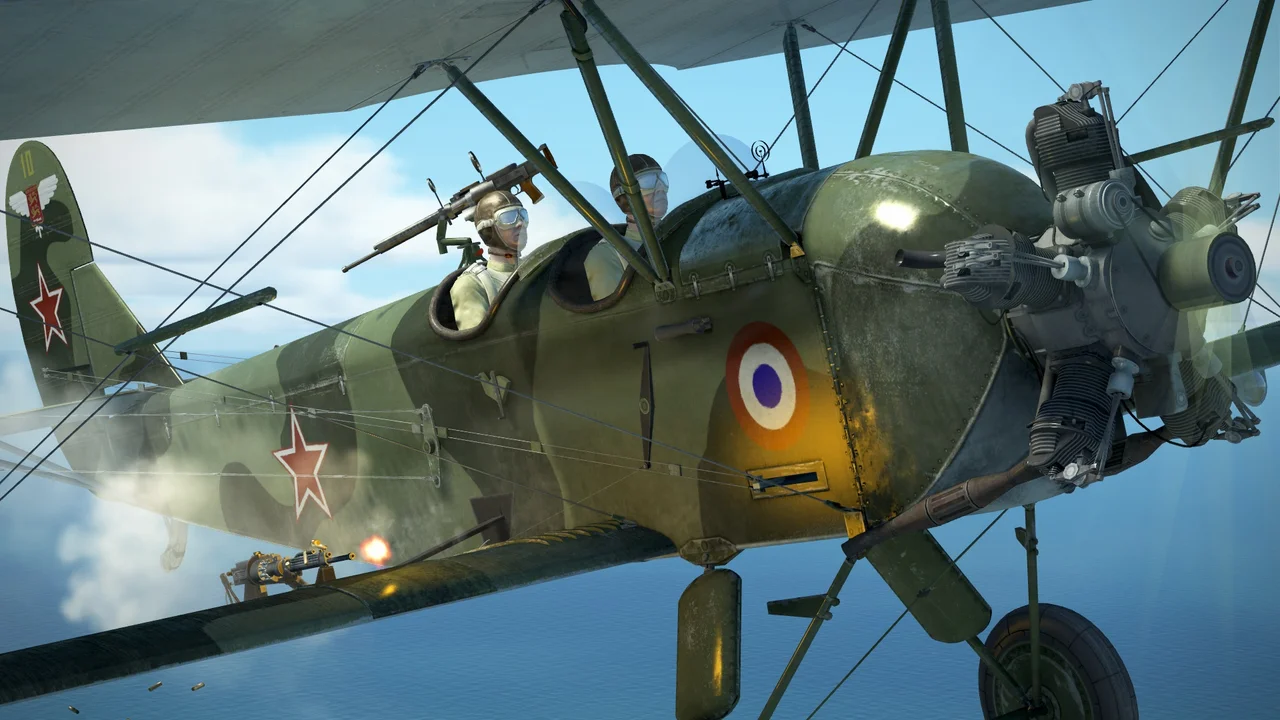
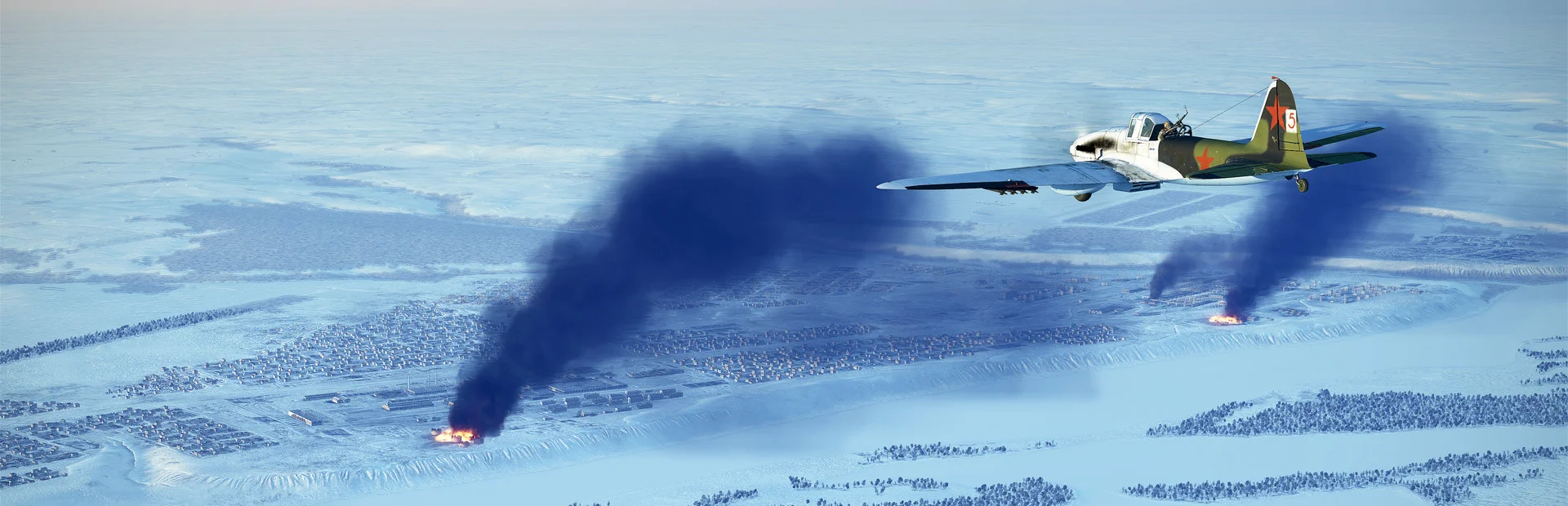
IL-2 Sturmovik: Polikarpov U-2VS adds the U-2VS aircraft to IL-2 Sturmovik: Battle of Stalingrad. Designed under N.N. Polikarpov’s supervision between 1923 and 1928 as a two-seat training aircraft, the U-2 entered production in 1929. Its forgiving handling, resistance to stalls, predictable behavior at high angles of attack and low landing speed made it suitable for training; many VVS pilots first flew it.
The U-2VS
The military U-2VS served mainly as a low-altitude light bomber and reconnaissance aircraft. It could carry up to 300 kg of bombs and had a defensive 7.62 mm ShKAS machine gun operated by the observer/radioman. One modification adds a forward-facing ShKAS gun mounted on the wing. Its low speed and maneuverability made it difficult for enemy fighters to target at low altitude, contributing to its relatively high survivability.
The aircraft was flown by the all-female 46th Guards night bomber regiment, known as the “Night Witches,” which harassed German troops after dark. Following N.N. Polikarpov’s death in 1944, the U-2 was renamed the Po-2.
Where you can fly
You can use the U-2VS in Quick Mission Builder, Multiplayer and Career mode during the Battle of Stalingrad and Battle of Kuban timeframes. Its bomb options are up to six 50 kg FAB-50sv general-purpose bombs or two 104 kg FAB-100M general-purpose bombs.
Modifications
- Wing-mounted 7.62 mm ShKAS machine gun with 500 rounds; adds 27 kg and an estimated 3 km/h speed loss.
- Rear turret with 7.62 mm ShKAS machine gun and 400 rounds; adds 34 kg and an estimated 2 km/h speed loss.
- RSI-4 radio transmitter; adds 12.6 kg.
- AGP-2 horizon indicator; adds 2 kg.
- Landing light for night flights; adds 2 kg and an estimated 1 km/h speed loss.
- Navigation lights; adds 4 kg.
Aircraft details
The aircraft is 2.9 m high and 8.17 m long, with an upper-wing span of 11.4 m, a lower-wing span of 10.65 m and a wing surface of 33.15 m². It has a 2.4 m Type 257 airscrew with a pitch of 1.524 m, and an M-11D engine. The engine produces at least 125 HP in takeoff mode at 1,750 RPM at sea level; nominal output is 118 HP at sea level, 110 HP at 500 m and 105 HP at 1,000 m. Continuous output is 107 HP at sea level, 100 HP at 500 m and 95 HP at 1,000 m, all at 1,640 RPM. Takeoff/emergency modes use 1,750/1,840 RPM for 5 minutes; continuous/nominal modes use 1,640/1,700 RPM without a time limit. Rated oil temperature is 70–80 °C, with a maximum of 115 °C.
The empty weight is 748 kg; minimum weight, with no ammunition and 10% fuel, is 927 kg; standard weight is 1,007 kg; and maximum takeoff weight is 1,350 kg. Fuel capacity is 90 kg (126 l), and useful load is 350 kg. With all available modifications and full fuel, the aircraft weighs 1,390 kg, above its maximum takeoff weight.
Flight performance
In flight configuration, indicated stall speed is 63–70 km/h and stall angle of attack is 19°. The dive speed limit is 240 km/h, and the maximum load factor is 6.5 G. Maximum true airspeed is 151.7 km/h at sea level at 1,750 RPM, 150.3 km/h at 500 m at 1,740 RPM, and 148.9 km/h at 1,000 m at 1,730 RPM. Service ceiling is 3,700 m.
Climb times at full throttle and 95 km/h IAS are 3 minutes 5 seconds to 500 m, 6 minutes 35 seconds to 1,000 m, 10 minutes 40 seconds to 1,500 m, 15 minutes 24 seconds to 2,000 m, 21 minutes 15 seconds to 2,500 m, 28 minutes 35 seconds to 3,000 m and 38 minutes 20 seconds to 3,500 m. Maximum performance turns take 22–23 seconds at 105–115 km/h IAS. At 500 m, flight endurance is 5 hours at 90 km/h IAS and 1,300 RPM. Takeoff speed is 75–85 km/h; glideslope speed is 100 km/h; landing speed is 60–70 km/h, with a landing angle of 12°.
These performance figures use the international standard atmosphere. Ranges reflect possible aircraft weights; maximum speeds, climb rates and turn times use standard weight. Turn rate is given for 1,400–1,500 RPM and 43–45° of roll.
Operating features
The U-2VS has no engine supercharger. You control the fuel mixture manually, leaning it as altitude increases for optimal engine function and lower fuel consumption in level flight. Its fixed-pitch propeller also requires manual RPM control. The tail skid is linked to the rudder, with a maximum tilt of 8°, and the aircraft has no wheel brakes.
The default aircraft has no electric generator. Its electric lights and Pitot tube warmer, which draws up to 226 W, run from a 24 V battery with a 10 Ah capacity at 1 A under standard conditions. Installing the RSI-4 radio transmitter also installs a GS-10-350 generator.
Frequently asked questions
The best price for IL-2 Sturmovik: Battle of Stalingrad IL-2 Sturmovik: Polikarpov U-2VS is $19.99 at Steam. It is the only shop with an offer that activates in your country.
No. IL-2 Sturmovik: Battle of Stalingrad IL-2 Sturmovik: Polikarpov U-2VS is DLC and only works with IL-2 Sturmovik: Battle of Stalingrad.
The minimum requirements for IL-2 Sturmovik: Battle of Stalingrad are: Windows 10, Intel Core i5, 16 GB RAM, 95 GB storage. It runs on Windows only. The recommended specs are in the System requirements section.
Yes. IL-2 Sturmovik: Battle of Stalingrad has multiplayer and a single-player mode. It supports online co-op and online PvP.
No. Valve rates IL-2 Sturmovik: Battle of Stalingrad as Unsupported on the Steam Deck.
Steam lets publishers create keys to sell in other shops. Once you activate a key, the game is yours to keep, just like a store purchase.
Disclaimer: CD keys have an inherent 1–2% average failure rate. Check the shop terms for buyer protection info. Steam offers no buyer protection for keys bought in other shops and doesn't refund them.
Similar games
X-Plane 11
$29.99
1 offer
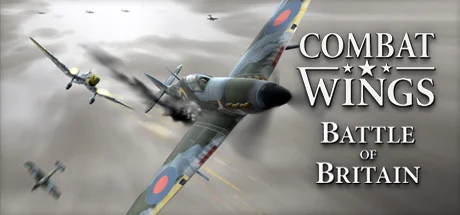
Combat Wings: Battle of Britain
−88%$0.59
$4.9923 offers
Microsoft Flight Simulator X: Steam Edition
$24.99
2 offers
Project Wingman
−53%$11.72
$24.9915 offers
Ace Combat 7: Skies Unknown
−77%$13.48
$59.9923 offers
Squad 44
−82%$3.47
$19.9924 offers
VTOL VR
−75%$7.43
$29.9912 offers
Battlefield V
$8.67
10 offers
Scramble: Battle of Britain
−46%$15.99
$29.9919 offers
Bomber Crew
−90%$1.55
$15.9926 offers
IL-2 Sturmovik: Cliffs of Dover Blitz
−86%$1.33
$9.9917 offers
European Air War
$9.99
2 offers