

Eco
Offers


Trailers & screenshots
1 / 29

About Eco
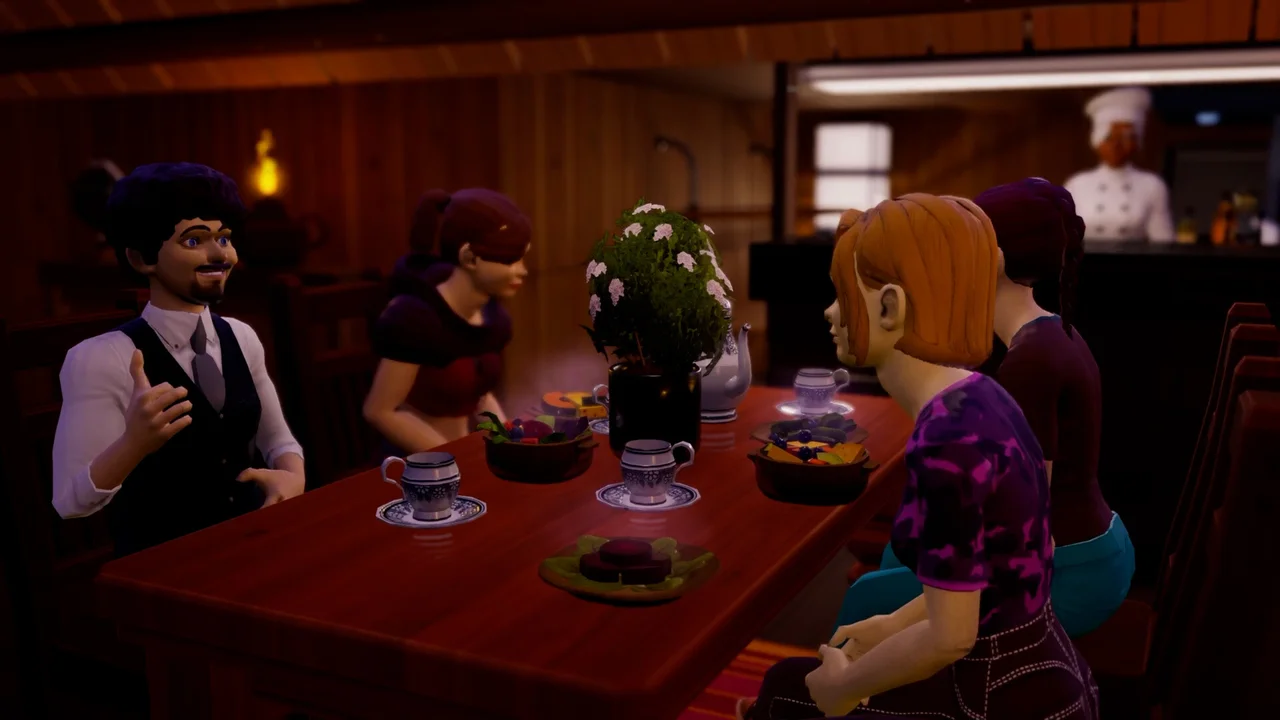
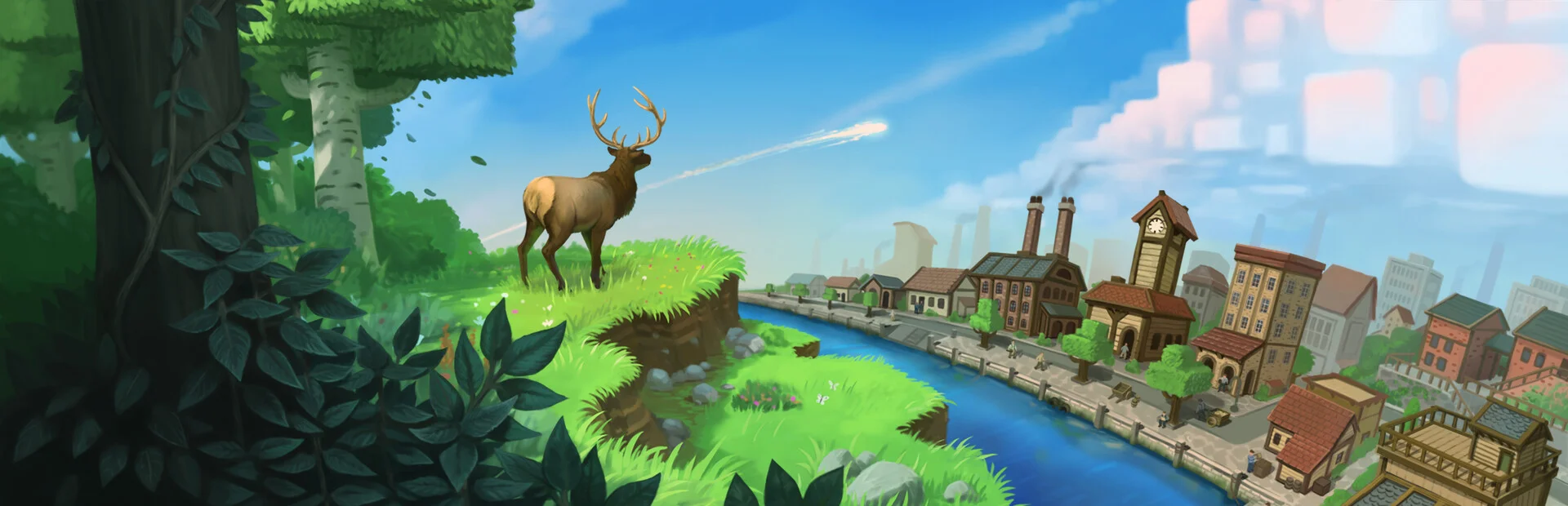
Eco is a multiplayer world-building game about developing a civilization within a simulated ecosystem. A meteor is set to strike the planet in 30 days, and you and your community must build the means to stop it without damaging the environment so severely that civilization fails first. You can also play locally in singleplayer and invite friends to your world.
Build a civilization
Gather resources, construct buildings and towns, tend farms, hunt wildlife, and create infrastructure and transportation. Craft clothing, build power plants and research technologies. There are over 30 craft tables with hundreds of recipes, as well as hundreds of items, skills, craft tables and building blocks. Because carrying capacity is limited, you need vehicles and road networks to move materials.
Your skills improve based on your food and shelter. Eating a varied, nutritious diet and building an elaborate home increases your skill points, which you can spend on farming, hunting, trade, engineering, research and more. You can specialize in a craft, produce goods and services, and trade with other players.
Protect the ecosystem
Every plant and animal is part of a detailed ecosystem simulation, and changes to one species can have effects across the planet. Cutting down all the trees destroys creature habitats; mining waste can pollute rivers and poison farms. You need to manage pollution, mining waste, hunting and resource collection while gathering the resources your community needs to stop the meteor.
In-game graphs and heat maps let you search and analyze data generated by plants, animals, climate and players. You can use this information as scientific evidence when proposing laws and making group decisions. Balancing environmental protection with technological progress is essential to your community’s survival.
Government and laws
Establish a government and propose laws that the game enforces automatically if the population ratifies them. A programmable law system lets you create rules for the community, such as limiting clear-cutting in a protected forest or encouraging green energy with tax subsidies and penalties. Players vote on laws and elect world leaders, who can set tax rates and allocate community funds.
Communities can adopt different forms of government, from tightly regulated states to tax-and-subsidy programs or lawless societies based on trust. You can claim land as property, share access rights, and give or remove reputation from other players.
Trade and work
The player-run economy supports asynchronous trade, so players with different specialties can contribute to one another’s goals at separate or simultaneous times. Set up stores to buy and sell goods, create contracts for specialized work, or charge players to use your crafting machines. You can create currencies backed by resources or fiat, set exchange rates at currency exchanges, and collect credit from store sales.
Specializing and trading goods and services can help the civilization progress, but economic activity can also threaten the environment. Players can take on other people’s contracts or hire others to do work in exchange for payment.
Play and host worlds
Eco supports online multiplayer with a community of players, as well as local singleplayer worlds where you can invite friends. A dedicated server is included for hosting Eco worlds.
Frequently asked questions
The best price for Eco is $29.99 at Steam. It is the only shop with an offer that activates in your country.
The minimum requirements for Eco are: Windows 11, Radeon R9 290, AMD Ryzen 5 1500X, 8 GB RAM, 6 GB storage. It runs on Windows only. The recommended specs are in the System requirements section.
Yes. Eco has multiplayer and a single-player mode. It supports online co-op and LAN play.
Mostly, yes. Valve rates Eco as Playable on the Steam Deck: it runs, but may need some manual setup.
Yes. Eco is the full base game. You need nothing else to play it.
Steam lets publishers create keys to sell in other shops. Once you activate a key, the game is yours to keep, just like a store purchase.
Disclaimer: CD keys have an inherent 1–2% average failure rate. Check the shop terms for buyer protection info. Steam offers no buyer protection for keys bought in other shops and doesn't refund them.
Similar games
Forager
−78%$4.31
$19.9912 offers

Raft
$19.99
1 offer
Terraria
−66%$3.38
$9.9918 offers
Grounded
$39.99
1 offer
Valheim
−47%$15.74
$29.9921 offers
Astroneer
−80%$5.85
$29.9916 offers
Satisfactory
−30%$27.65
$39.9917 offers

The Forest
−5%$18.99
$19.9910 offers
Planet Crafter
$23.99
2 offers
Rust
−39%$24.00
$39.999 offers
Abiotic Factor
−40%$20.76
$34.9923 offers
Subnautica
−80%$5.97
$29.9921 offers