

Buy Dungeonbound PC key
Offers


Trailers & screenshots
1 / 17
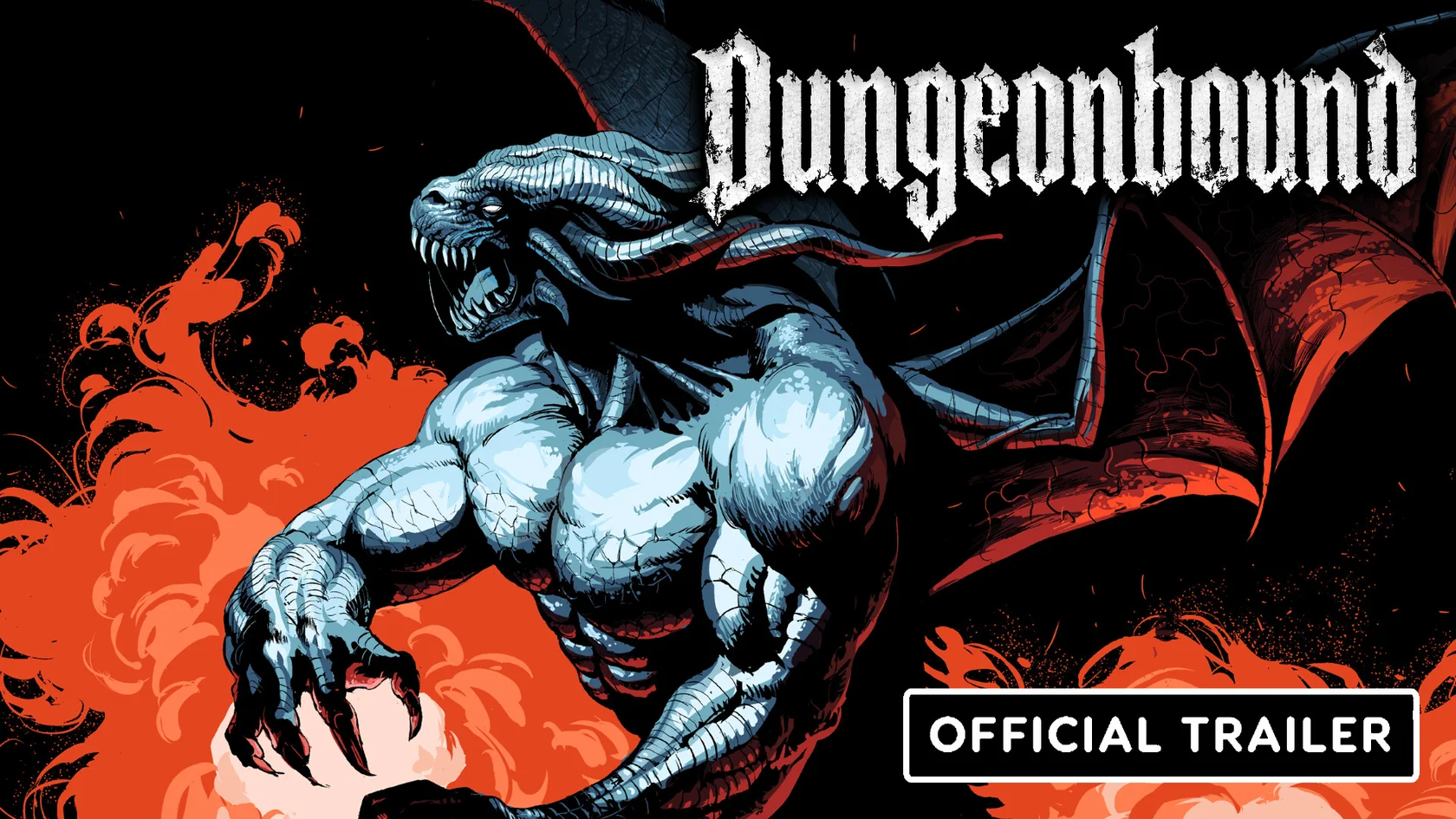

About Dungeonbound
Dungeonbound is a first-person dungeon crawler with auto-resolving combat, inventory management and PvP and PvE modes. Choose a hero, arrange gear on a board, then descend as attacks, dodges, critical hits, counters and status effects resolve in speed-driven turns. Between trips, spend gold on upgrades and rework your gear.
Three ways to descend
The Long Haul is an incremental campaign with seven heroes: Warrior, Mage, Rogue, Monk, Archer, Alchemist and Paladin. Each has separate gold, levels and permanent upgrades, so progress on one hero is retained while you play another. Death costs floors rather than hours; you keep your loot, levels and upgrades and can try again.
The Climb is a self-contained roguelike run with 32 heroes to unlock. Each specialist has tag affinities and a unique passive. Floors contain a shop, monsters, a shrine and rival builds. You start with five hearts and choose one of three relics on each of the first five floors. Your rank carries between climbs, but losing your last heart destroys the build; only your rank returns home.
The Co-op Climb supports two to four players. You bring separate heroes, gold and shops, while sharing five hearts. Players fight one after another as the others watch live, pass gear across the table and roll dice for loot.
Rival builds
The Climb uses asynchronous multiplayer: rivals blocking the ladders are real builds from other players' runs, copied item for item and rune for rune. After you clear a floor, your loadout is snapshotted into the pool to challenge someone else's climb. There is no matchmaking or waiting for turns; you face other players' runs, and yours can appear in theirs. Rivals follow the same rules as you, and you can watch a replay if one defeats you. Ranked climbs promote you at floor 8 and demote you when a run ends.
Co-op with friends
In co-op, each player has a separate purse, shop shelf and set of relics, so teammates can build differently. When an enemy drops loot, everyone chooses what they want and dice settle disputes. You can place an item on a teammate's board to give it to them, and some co-op-only items reward giving gear away. Team rivals are parties formed from other players' climbs, and co-op has separate leaderboards for teams of two, three and four.
The daily climb
The Daily gives every player the same seed, hero, purse and rooms for that day. It is a full roguelike climb with three modifiers chosen fresh each morning. The difficulty scales beyond survival, and the aim is to see how far you get; there is no prize beyond bragging rights.
Combat and enemies
Combat order depends on speed: faster fighters act first and more often, while outpacing slow enemies grants extra swings. Each attack sweeps around your board and activates every item it passes, making item placement as important as the gear itself. Fights use dodges, critical hits, blocks and overkill damage that carries into the next enemy in the rank, alongside stacking status effects that tick on their own timers, including poison, burn, bleed, freeze and stun.
The descent contains over 240 hand-painted enemies, including foes with thorns that punish your hits, berserkers that grow stronger as a fight drags on, enemies that heal from your wounds and thieves that flee with your gold. Deeper floors are guarded by 49 elites and 17 bosses.
Gear and upgrades
Over 540 items in five rarities drop from regular enemies, elites and bosses. Weapons and gear can scale with factors such as your missing health, gold or luck, while potions can activate during fights and cursed items trade a fortune for a drawback. Items have shaped pieces on a backpack-style grid rather than fixed slots; what an item touches affects its effects, and runes power up the items placed on them. The Climb also has 90 relics that alter the rules of a run.
You can merge two identical items into a stronger one, up to level 10, or combine any two pieces at the forge into a hybrid that inherits abilities from both. Hybrids can be fused again and levelled up, creating over 100,000 possible combinations before those further combinations are counted. The Item Workshop lets you design and share items, as well as try creations from the community.
Gold and skill points buy from over 400 permanent upgrades for the seven Long Haul heroes, grouped into Damage, Defense, Sustain, Economy and Unlocks. These include a larger board, better luck, cheaper shops, chaining status effects and immunities that counter whole enemy archetypes. The Mage can follow Lightning, Frost or Fire, with separate purchases for each subclass; switching subclasses lets you change your build without starting over. The Alchemist brews and fuses potions, while the Paladin heals during combat and deals more damage with holy gear.
The dungeon
Five descents each have their own enemies and hazards: The Mudking Warrens holds kobolds, orcs and brutefolk in the mud; The Bonevault Crypts contains restless dead, curses and cold; The Chittering Deep is home to beasts with deep health pools; The Infernal Court pits you against demons that hit hard, land critical hits often and burn everything; and The Wyrmroost leads to the dragons at the bottom. The Daily offers a shared seed that changes each morning.
Each floor follows a winding, torchlit path through fights, chests, shrines and shops. You choose what to buy, forge and risk before facing the guardian at the end.
Retro presentation
Dungeonbound uses a first-person corridor view, chunky pixel-filtered art and a PS1-style CRT presentation with scanlines, dithering and chromatic flicker. Battle speed is adjustable.
Frequently asked questions
The best price for Dungeonbound is $10.79 at Steam. It is the only shop with an offer that activates in your country.
The minimum requirements for Dungeonbound are: Windows 10, Intel HD Graphics, 2 GB RAM, 300 MB storage. It runs on Windows only. The recommended specs are in the System requirements section.
Yes. Dungeonbound has multiplayer and a single-player mode. It supports online co-op and online PvP.
Yes. Dungeonbound is the full base game. You need nothing else to play it.
Steam lets publishers create keys to sell in other shops. Once you activate a key, the game is yours to keep, just like a store purchase.
Disclaimer: CD keys have an inherent 1–2% average failure rate. Check the shop terms for buyer protection info. Steam offers no buyer protection for keys bought in other shops and doesn't refund them.
Similar games
Backpack Battles
−32%$10.07
$14.9918 offers
Oaken Tower
−25%$7.49
$9.991 offer
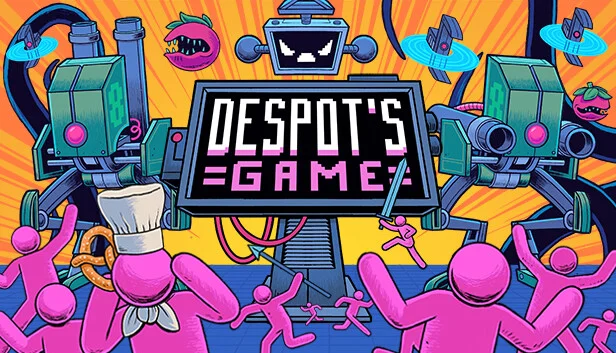
Despot's Game: Dystopian Army Builder
−84%$3.09
$19.9920 offers
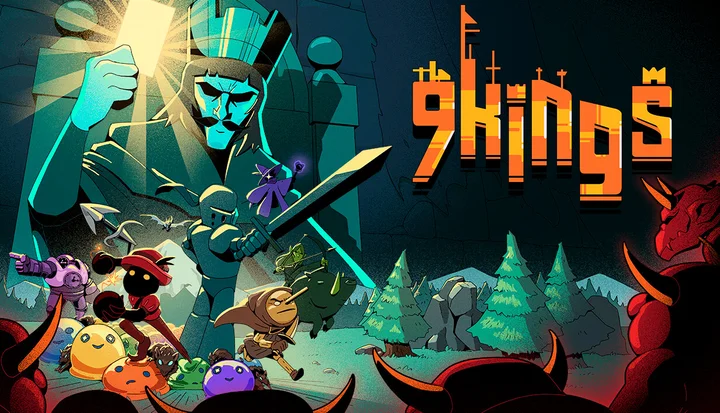
9 Kings
−66%$6.63
$19.9922 offers
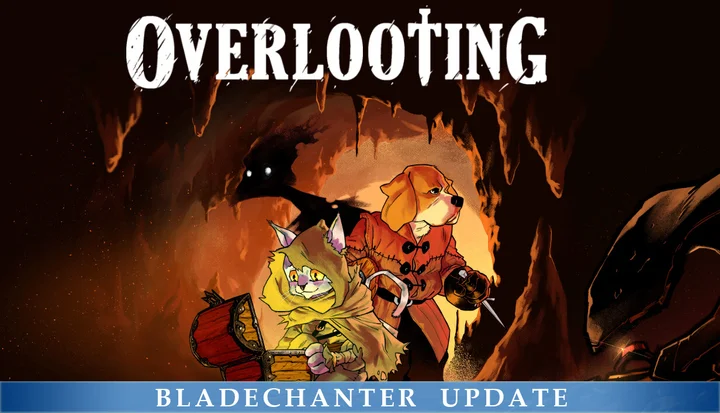
Overlooting
−96%$0.30
$9.9911 offers
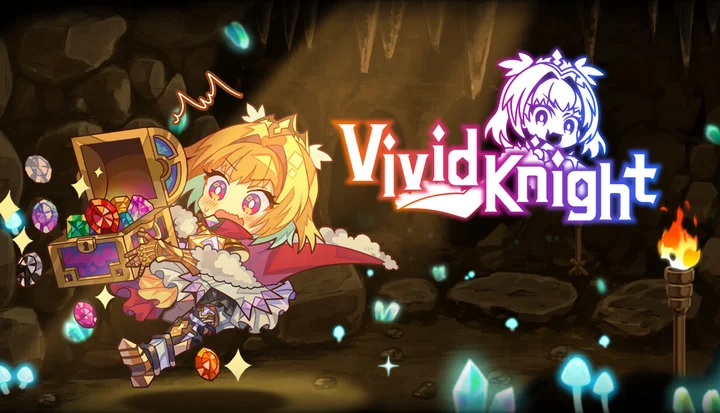
Vivid Knight
−20%$11.99
$14.991 offer

Wretch: Divine Ascent
−55%$6.62
$14.9913 offers
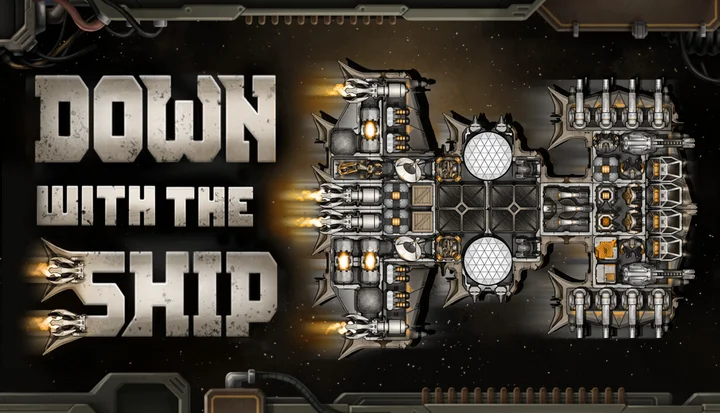
Down with the Ship
−35%$9.74
$14.991 offer
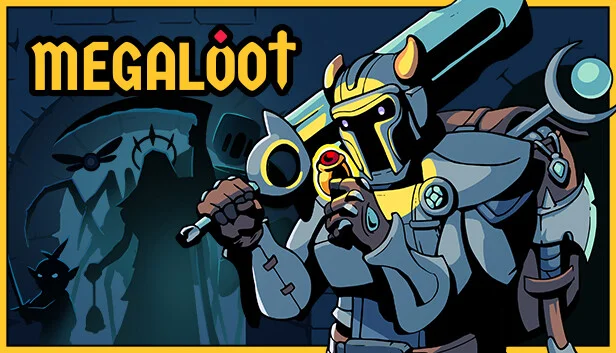
Megaloot
−24%$7.51
$9.9910 offers
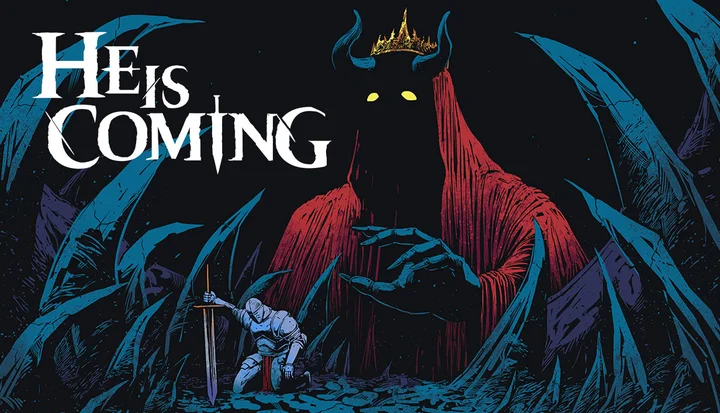
He is Coming
−65%$6.92
$19.9921 offers
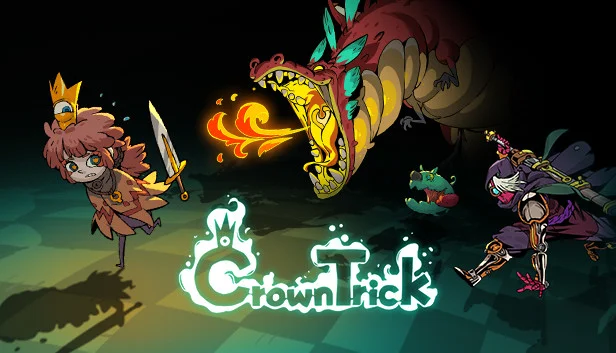
Crown Trick
−96%$0.65
$19.9920 offers
Songs of Conquest
−84%$4.64
$29.9923 offers