

Andre Miri Cipa
Offers


Trailers & screenshots
1 / 8


About Andre Miri Cipa
Andre miri cipa is an educational narrative game about young Roma women’s and men’s experiences of racism and discrimination in contemporary Czech society. Across three chapters, you follow Robin, Vanessa and Marie through interlinked stories based on participatory research. Each chapter takes up to 15 minutes, so it can be paired with a teacher-led discussion in a single lesson; the game was made primarily for grades 8 and 9 of Czech primary schools.
Three stories
The characters encounter prejudice in everyday situations: Robin experiences racism on a trip to a grocery shop, Vanessa faces discrimination because of her style of dress, and Marie and her family are discriminated against while looking for a new home.
The chapters are linked by the legend of Romano Gendalos, a magic mirror and monument in a utopian future where racism and discrimination survive only as bitter memories. Conflict once shattered the mirror into thousands of pieces, and legend says that reassembling them will bring the Roma the peace and quiet they deserve. Robin, Vanessa and their friends Dejv and Kája make a pilgrimage to the monument, returning along the way to painful memories of the old world: the experiences of the present.
Research and perspective
The hopeful future is the starting point for considering discrimination as something that should not be accepted as normal and can be overcome. The game invites players to view present-day reality from the perspective of Roma characters and consider what could change.
Its stories draw on authentic accounts from Roma respondents, gathered through current participatory research by the Faculty of Social Studies of Masaryk University and workshops run by the Faculty of Fine Arts of Brno University of Technology. The research found that young people face similar problems and topics regardless of ethnicity or skin colour, while many emphasised differences are more closely connected to social class. It also found that middle-class Roma, who more often integrate into mainstream society, face greater prejudice, stereotyping and distrust despite living in ways materially and culturally similar to the majority.
Classroom materials
The game includes a methodology for teachers and an encyclopedia of related terms, with quotations from the research. Its format was shaped by research and collaboration with educators from Masaryk University’s Faculty of Education and partner primary schools, and it was tested with teachers and pupils. The dialogues and mechanics were designed with classroom use in mind.
The game has full Czech voice-over, including lines in Romani; Roma characters are voiced exclusively by Roma actors. English subtitles are available.
Frequently asked questions
Yes. Andre Miri Cipa is free to play on Steam, so there is nothing to buy to start playing.
The minimum requirements for Andre Miri Cipa are: Windows 10, GeForce GTX 950, 8 GB RAM, 2 GB storage. It also runs on macOS. The recommended specs are in the System requirements section.
No. Andre Miri Cipa is a single-player game.
Yes. Andre Miri Cipa is the full base game. You need nothing else to play it.
Similar games
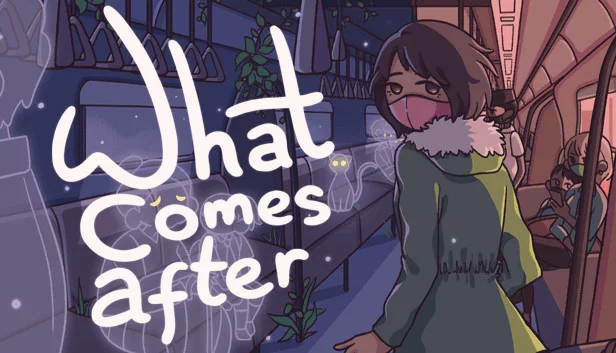
What Comes After
−78%$1.07
$4.993 offers
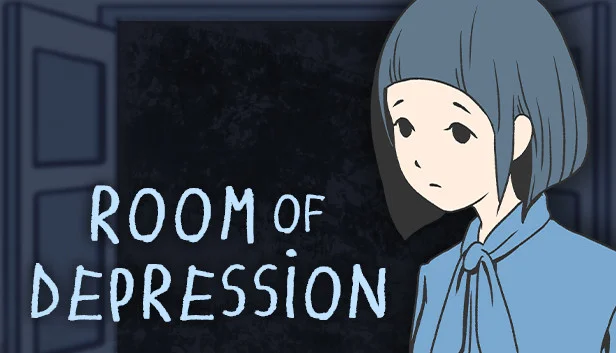
Room of Depression
$5.99
1 offer
Rumu
$9.99
1 offer

Billionaire Lovers
−39%$1.80
$2.992 offers
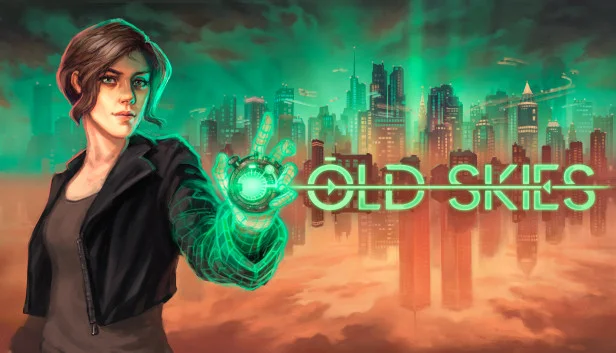
Old Skies
−20%$15.99
$19.993 offers
Wax Heads
−45%$8.10
$14.9922 offers

Learn Japanese to Survive! Hiragana Battle
−85%$1.01
$6.999 offers
Coffee Talk: Episode 2 - Hibiscus & Butterfly
−85%$2.11
$14.997 offers
A Memoir Blue
−69%$2.44
$7.9919 offers
Anxiety Puppy
$4.99
1 offer

Zniw Adventure
$8.99
2 offers
The Wreck
−83%$3.33
$19.9912 offers