

Adventure Time
Offers


Trailers & screenshots
1 / 10


About Adventure Time
Adventure Time is a turn-based dungeon crawler in which you explore a dark, twisting dungeon, fight monsters and seek stronger equipment. You can play in Regular mode, where death carries a penalty but is not permanent, or Hardcore mode, where death ends the run. Regular mode offers difficulties from Easy to Impossible.
Explore the dungeon
You descend through rooms connected by corridors and stairs, finding monsters, loot, NPCs, chests and puzzle pieces. The dungeon grows more difficult as you go deeper, with over 650 kinds of monsters that have varied abilities; some travel in packs. You can flee a combat room, but the monster gets a bonus attack, and the room you retreat to may contain enemies even if you cleared it before. You cannot teleport away from combat.
Puzzle pieces assemble into magical puzzles that open portals to boss fights. Activating a portal takes you straight to the fight, where you must defeat the boss or die before you can leave. A permanent portal connects the puzzle room and the boss room, so you can return to continue the fight or collect loot. Each room can contain only one teleportal, and bosses become more powerful the deeper you venture. Some minimalist-looking dungeon levels also end in boss fights. Ultimately, you can face the Great Wyrm Red Dragon, Blazefang Cinderwing.
Build your character
At the start, you choose your character’s race, class and name, distribute stat points, set the difficulty and choose whether to play Hardcore. You can also enter a game seed to generate the same dungeon again from the beginning. Your character starts in town with basic armor, a sword, a couple of spells, some gold, healing potions and keys.
Gaining experience and levels increases your health and mana, grants a combat bonus and gives you points to spend on stats. At higher levels, you can also gain multiple attacks per turn. Your seven stats affect different aspects of play: Constitution increases the health gained at each level; Strength affects the success and damage of hand-held weapons; Dexterity affects armor, ranged weapons and the chance that a key survives opening a chest; Intelligence affects spell success and mana gained per level; Luck improves the odds of extra loot and of keys not breaking; and Charisma determines how many mercenaries you can hire. Stats also help you save against magical attacks, and Wisdom helps with some saving throws.
Combat and spells
Combat is turn-based, with the order determined partly by chance and partly by item and stat bonuses. You attack monsters, use potions and cast spells from your spellbook or from scrolls. You can assign spells to six quick-cast buttons. Healing potions do not take a turn to use.
Spells range from level 0 to level 9, with higher levels costing more mana. Most spells can become stronger when you spend additional mana, subject to your character level and the spell’s limits. You learn spells by transferring found spellbooks into your master spellbook; deeper dungeon levels hold higher-level books, and Wizards in town also sell them. Level 0 spells cost no mana and can be cast every turn.
Loot and upgrades
The dungeon contains weapons, armor, rings, amulets, gems, spellbooks, potions, scrolls, keys, puzzle pieces and gold. Weapons, armor, rings and amulets can have sockets for gems and varying levels of magical power, from Common to Mythical Godforged. More powerful items can have stronger abilities and a greater number of them, including extra damage of different types, damage resistance, bonuses to initiative, experience, healing, armor, health, attacks and critical hits, as well as increases to your stats.
There are eight gem types: diamonds, emeralds, garnets, opals, pearls, rubies, sapphires and topaz. Each has a range of qualities, from Regular through Flawless Godforged, and its bonus depends on where you socket it. In rings, amulets and helmets, gems provide bonuses such as experience, healing, armor, health or health on kill. In armor, they increase stats; in weapons, they grant bonuses such as damage, attacks, critical hits or experience.
Town and mercenaries
You can teleport to town to sell unwanted loot, buy supplies, rest, heal and hire mercenaries. Seven types of NPC appear in town and in the dungeon. The Alchemist sells potions; the Blacksmith sells and repairs weapons and armor and can add sockets to armor, weapons, rings and amulets; the Innkeeper provides safe eight-hour rests, mercenary hiring and access to your private stash; the Jeweler sells rings, amulets and gems; the Shopkeeper sells a range of goods; the Priest sells healing potions, restores health and mana and removes negative effects, and can resurrect dead mercenaries; and the Wizard sells scrolls and spellbooks and turns loot into magic shards that you can gamble for more powerful loot. NPCs in town refresh their inventories every 24 hours.
Mercenaries fight alongside you, attack monsters and draw their attacks. They gain experience and can level up, but can also die; you can keep them supplied with healing potions and have a Priest or a resurrection spell bring them back. Their equipment and stat points are managed separately, and you can release a mercenary to make room for another. Your Charisma sets how many you can hire.
Game modes and scoring
Regular mode lets you continue after death with a penalty, while Hardcore mode ends when you die. Your score reflects factors including deaths and trips to town, as well as experience gained, monsters killed, spells cast and the value of your gold and treasure.
Frequently asked questions
The best price for Adventure Time is $7.99 at Steam. It is the only shop with an offer that activates in your country.
The minimum requirements for Adventure Time are: Windows 10, Intel HD Graphics 4000, AMD Ryzen 3 1200, 8 GB RAM, 3 GB storage. It runs on Windows only. The recommended specs are in the System requirements section.
No. Adventure Time is a single-player game.
Yes. Adventure Time is the full base game. You need nothing else to play it.
Steam lets publishers create keys to sell in other shops. Once you activate a key, the game is yours to keep, just like a store purchase.
Disclaimer: CD keys have an inherent 1–2% average failure rate. Check the shop terms for buyer protection info. Steam offers no buyer protection for keys bought in other shops and doesn't refund them.
Similar games
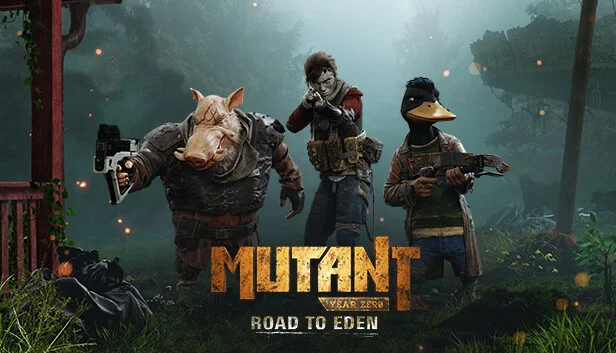
Mutant Year Zero: Road to Eden
−81%$6.37
$34.9921 offers

Lunavania
$9.99
1 offer
Orion Sandbox Enhanced
−40%$1.19
$1.991 offer
Little Witch Survivors
−23%$3.84
$4.993 offers
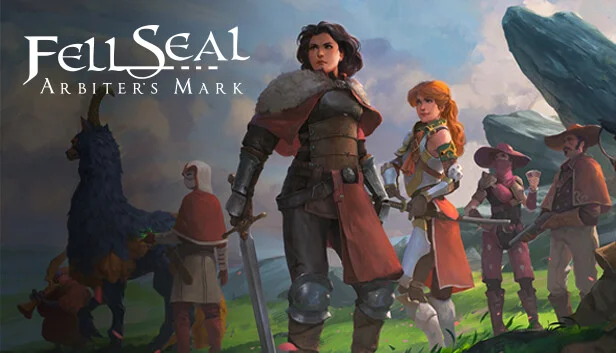
Fell Seal: Arbiter's Mark
−96%$1.11
$29.9922 offers
Asgard's Fall: Viking Survivors
$0.19
12 offers
Dragon Quest XI S: Echoes of an Elusive Age - Definitive Edition
−51%$19.29
$39.998 offers

Jagged Alliance 3
−92%$3.38
$44.9923 offers
UnderMine
−89%$2.00
$19.9911 offers

Evolings
−82%$0.80
$4.4820 offers
Sephiria
$17.99
1 offer
SanctuaryRPG: Black Edition
−86%$1.09
$7.9911 offers